
What Happens When a Peaceful Protest Against a Coal Mine Leads to a 2-Year Prison Sentence? The Esra Işık Case in Turkey
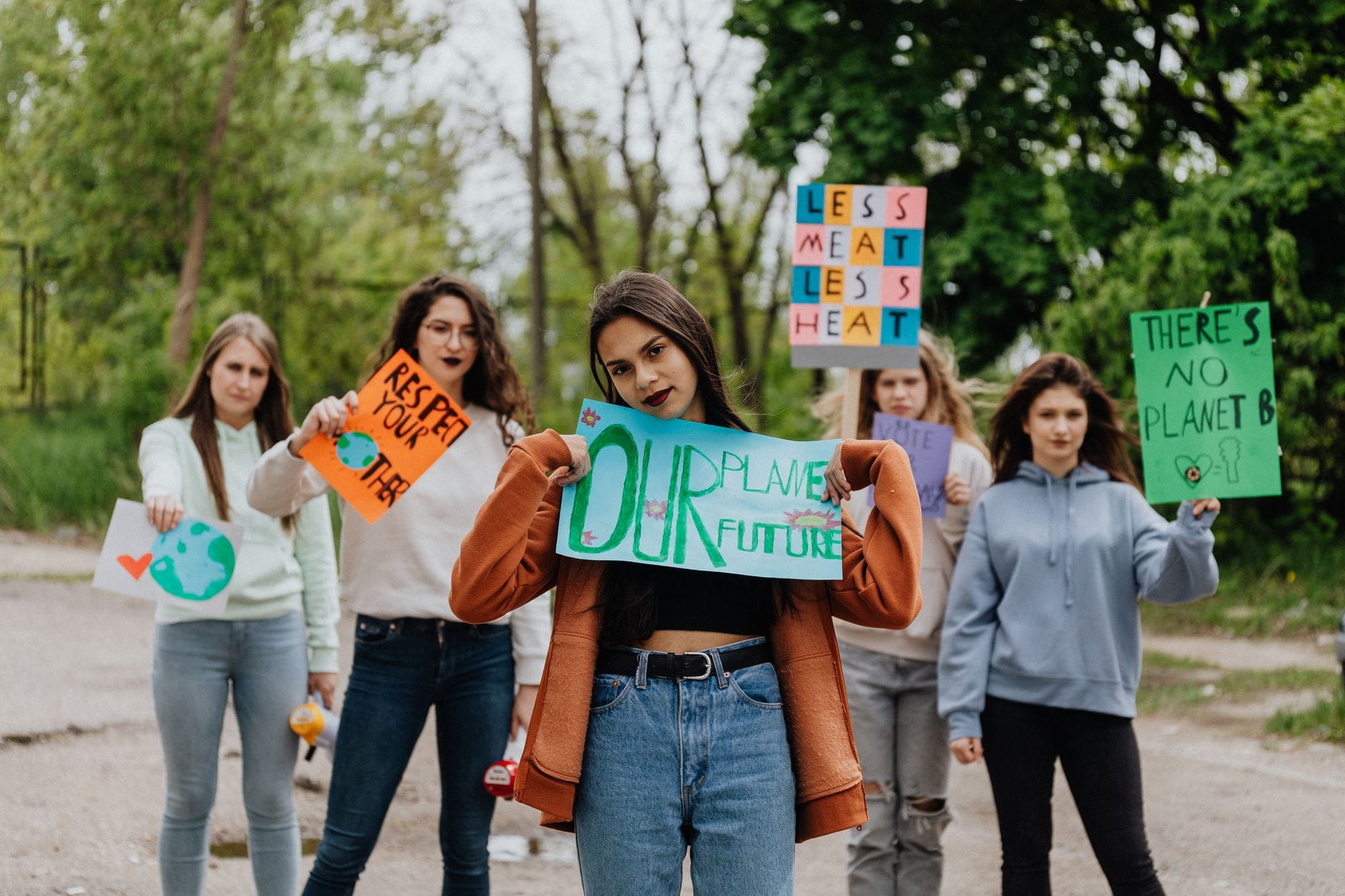
Muğla Province, Türkiye, MMN Correspondent: Imagine standing up for a forest you love, a place where your neighbors grow food and your children play. Now imagine that act of peaceful protest lands you in court, facing prison time. That is exactly what happened to Esra Işık, a Turkish environmental activist whose recent conviction has sent ripples far beyond the Akbelen Forest.
On July 6, 2026, a court in Muğla found Işık guilty of resisting a public official and insulting an authority figure. Her crime? Joining a nonviolent demonstration on March 30, 2026, against a government-backed coal mine expansion. The project threatens over 600 parcels of land in an ecologically sensitive area, home to endemic species and centuries-old farms. The sentence: two years and one month in prison for the resistance charge, plus a fine of 44,200 Turkish Lira (about €830) for the insult charge. The court deferred the verdict on the insult charge for five years, a procedural twist that keeps the case alive but does not erase the conviction.
Why does this matter to you? Because it raises a question that resonates globally: How far can a government go to silence those who defend their environment? In Turkey, laws like Article 314 of the Penal Code, which criminalizes resistance to public officials, are increasingly used against activists. Human rights experts argue these laws are being weaponized to stifle dissent, especially against projects that prioritize industrial growth over community rights.
The Akbelen Forest is not just any patch of trees. It supports small-scale agriculture, traditional livelihoods, and a rich biodiversity that includes several endemic species. Data from the Turkish Ministry of Forestry and Water Affairs shows a 15% decline in forest cover in the region over the past decade, driven by infrastructure development and illegal logging. The proposed coal mine expansion, framed as a national security measure, bypassed environmental impact assessments and public consultations, raising serious due process concerns.
Esra Işık is not alone. Over the past five years, more than 120 environmental activists in Turkey have faced legal action, surveillance, or threats for opposing extractive industries. In 2023 alone, 17 defenders were detained after protests against lithium extraction and dam projects. This pattern has drawn international attention, with organizations like Amnesty International calling the verdict a devastating blow to environmental rights. Esther Major, Amnesty’s Deputy Regional Director for Europe, emphasized that peaceful protest is a fundamental right under international law, including the Universal Declaration of Human Rights and the European Convention on Human Rights.
But here is the hopeful angle: Işık remains free pending appeal, and her case has sparked a wave of support. Campaigns for judicial reform, protest rights, and the annulment of her conviction are gaining momentum both in Turkey and abroad. Legal aid networks are preparing appeals, citing inconsistencies in evidence and procedural irregularities during the trial. This is not just a story of repression; it is a story of resilience and the power of grassroots movements to challenge systemic injustice.
As the appeal process unfolds, the world is watching. The outcome could influence how governments balance industrial growth with human rights and environmental stewardship. For now, Esra Işık’s journey reminds us that the fight for a just and sustainable future is fought not just in courts, but in forests, villages, and hearts across Turkey. Her conviction is a warning, but her courage is a beacon.
Related in Social Justice

Social Justice
Africa’s Albinism Crisis: 2025 Court Ruling That Could Save 100,000 Lives
Imagine being hunted for your body parts. Not because of a crime you committed, but because of a condition you were born with. For tens of thousands of people across Africa, this is not a horror movie. It is daily life. But in February 2025, a single court decision changed every…
Read More...
Social Justice
What Happened After 28 Died in Sri Lanka’s Prison Riots? Two More Inmates Dead in Transfer – Demands for Answers Grow
Just days after a brutal two day clash inside Negombo Prison left at least 28 people dead and over 100 injured, two more inmates have died. Not from the violence inside the walls, but shortly after being moved to other facilities. The question now is: what really happened during…
Read More...
Social Justice
What 50 Years of Civil Rights Battles in North Carolina Can Teach Us About the Future of Voting Access
What does it take to keep fighting for justice when the rules keep changing? On July 21, 2026, two of North Carolina’s most influential civil rights figures will sit down together in Durham to answer that question. Leslie Winner and Angela Bryant have spent decades on the front…
Read More...
Social Justice
What North Carolina’s Civil Rights Icons Reveal About Voting Rights in 2026: A Fireside Chat You Can’t Miss
Imagine sitting just a few feet away from the people who literally rewrote the rules of American democracy. That’s the kind of evening the Southern Coalition for Social Justice is offering on July 21, 2026. They’re hosting a fireside conversation called *North Carolina Icons: Th…
Read More...
Social Justice
3 Sahel Nations Exit ICC: What This Means for Justice in West Africa
In a move that has captured global attention, Burkina Faso, Mali, and Niger have officially notified the United Nations of their decision to withdraw from the Rome Statute, the treaty that created the International Criminal Court (ICC). The UN Secretary General confirmed this de…
Read More...
Social Justice
450 Years for a Fireworks Protest? What the Prairieland ICE Case Means for Your Right to Speak Out
Imagine planning a Fourth of July celebration to lift the spirits of people held in immigration detention. You bring fireworks, music, and a few legally carried firearms. After thirty minutes, you pack up and go home. Now imagine being told that those thirty minutes will cost yo…
Read More...
Social Justice
What Happens When a Country Silences Its Media? Uganda’s Crackdown on Journalists and Activists Explained
On a single day in late June, Uganda’s media landscape changed dramatically. Six major news outlets were shut down. Journalists were locked out of their offices. Equipment was seized. No court order was shown. No public explanation was given. The question on many minds is simple…
Read More...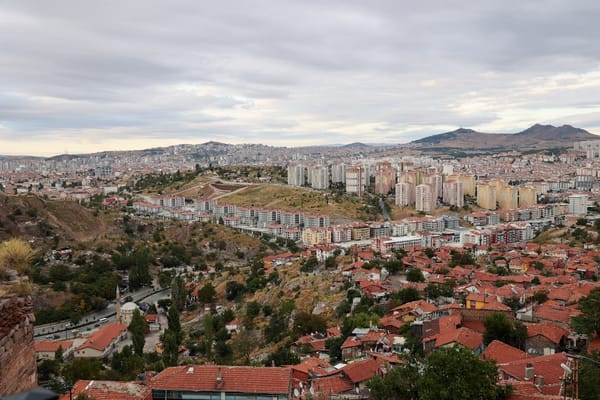
Social Justice
What Happens When a NATO Host City Bans All Protests for 13 Days? Turkey’s Move Raises Questions
Imagine your city suddenly goes silent. Not the quiet of a holiday, but the kind of silence that comes when the right to gather, to speak, to hold a sign, is taken away. That is exactly what is happening in Ankara right now. As Turkey prepares to host the 36th NATO Summit, autho…
Read More...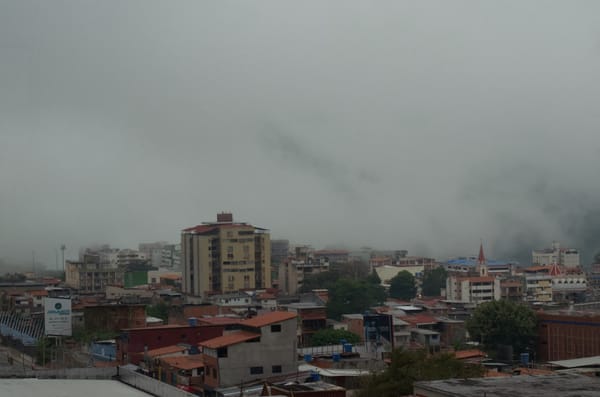
Social Justice
6.8 Magnitude Earthquake Hits Venezuela: What the Disaster Response Reveals About Human Rights
On the afternoon of June 24, 2026, the ground shook across Venezuela. A 6.8 magnitude earthquake struck multiple regions, from the northern coastal states to the central highlands. Within hours, neighborhoods in Maracaibo, Valencia, and Barquisimeto were reduced to rubble. Thous…
Read More...
Social Justice
40% of Executions Are for Drug Crimes: Why Global Drug Policy Needs a Human Rights Overhaul
Imagine a world where more than four out of every ten executions are for crimes that didn’t involve violence. That’s not a hypothetical scenario. It’s the reality we’re living in right now. According to independent monitors like Amnesty International and Harm Reduction Internati…
Read More...