
What 50 Years of Civil Rights Battles in North Carolina Can Teach Us About the Future of Voting Access

Durham, North Carolina, MMN Correspondent: What does it take to keep fighting for justice when the rules keep changing? On July 21, 2026, two of North Carolina’s most influential civil rights figures will sit down together in Durham to answer that question. Leslie Winner and Angela Bryant have spent decades on the front lines of the movement for racial equality. Their conversation, hosted by the Southern Coalition for Social Justice, offers a rare chance to hear how legal strategy and legislative action have shaped the state’s path from segregation to today’s complex landscape of voting rights.
Winner is the attorney who helped change the way America draws voting maps. Her work on the 1986 Supreme Court case Thornburg v. Gingles created a framework that allowed communities of color to challenge districts that dilute their voting power. That case didn’t just win in court. It opened doors for Black voters across the South to elect candidates who truly represented them. Bryant, a former state legislator, took that momentum into the halls of power. She spent over thirty years pushing for policies that address inequities in education, housing, healthcare, and criminal justice. Together, they represent two sides of the same coin: the courtroom and the capitol.
The event, titled North Carolina Icons: The Long View on the Fight for Civil Rights, will take place at SCSJ’s Durham headquarters from 6:00 PM to 7:30 PM EDT. Moderated by Hilary Harris Klein, SCSJ Senior Counsel for Voting Rights, the discussion promises to go beyond the headlines. Attendees will hear about the personal moments of doubt, the strategic decisions that turned the tide, and the lessons that apply to today’s challenges. For those who cannot attend in person, the conversation will be streamed live. Registration is free but required, reflecting the high demand for authentic dialogue on race, justice, and democracy.
North Carolina remains a critical battleground in the national conversation about voting access. Between 2020 and 2025, the state enacted more than ten new voting restrictions, according to the Brennan Center for Justice. These include limits on mail-in ballots, stricter ID requirements, and reduced early voting periods. Yet the response from communities has been equally strong. Groups like the North Carolina NAACP’s Voter Protection Program and the Faith in Action Network have mobilized thousands of volunteers to register voters, conduct outreach, and monitor polling places. The 2024 election cycle saw record turnout among Black voters, even as new laws aimed to tighten access.
Winner and Bryant will also explore what the post Callais landscape means for the South. While the term Callais may refer to a recent legal or symbolic milestone in voting rights discourse, it underscores the need to maintain momentum. The conversation will examine how the tools of resistance have evolved from the 1980s to today. It will also address the emotional weight of sustained activism. Both women have spoken openly about burnout and the importance of passing the torch to younger generations. Their insights offer practical guidance for anyone navigating a complex political environment.
This event is not just a look back at history. It is a chance to understand how progress happens in real time. Winner and Bryant will share stories of setbacks and breakthroughs, of moments when the path forward seemed blocked and how they found a way through. Their experiences remind us that change is not linear. It requires patience, strategy, and a willingness to adapt. For anyone interested in the future of voting rights, racial justice, or democratic participation, this conversation offers a rare opportunity to learn from two people who have helped shape the course of North Carolina’s civil rights movement.
As the state stands at a crossroads between deepening inequality and renewed hope, the stories of Leslie Winner and Angela Bryant serve as both a guide and an invitation. They show that the fight for civil rights is not a relic of the past. It is a living movement that continues to evolve. Their legacy is measured not only in court rulings or passed bills, but in the lives transformed, the votes counted, and the courage passed down from one generation to the next. In a time when democratic norms are under strain, their voices are more vital than ever.
Related in Social Justice
Social Justice
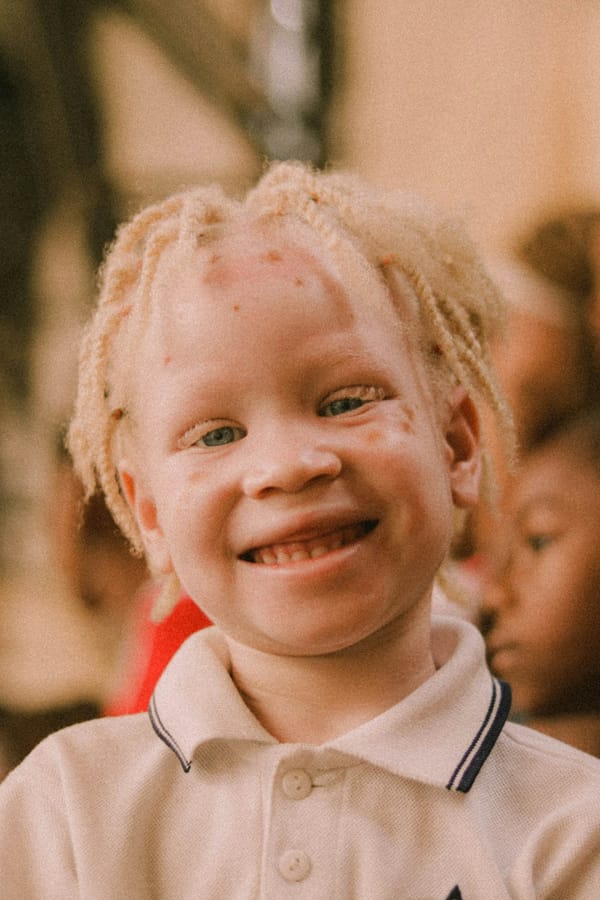
Africa’s Albinism Crisis: 2025 Court Ruling That Could Save 100,000 Lives
Imagine being hunted for your body parts. Not because of a crime you committed, but because of a condition you were born with. For tens of thousands of people across Africa, this is not a horror movie. It is daily life. But in February 2025, a single court decision changed every…
Read More...
Social Justice
What Happened After 28 Died in Sri Lanka’s Prison Riots? Two More Inmates Dead in Transfer – Demands for Answers Grow
Just days after a brutal two day clash inside Negombo Prison left at least 28 people dead and over 100 injured, two more inmates have died. Not from the violence inside the walls, but shortly after being moved to other facilities. The question now is: what really happened during…
Read More...
Social Justice
What North Carolina’s Civil Rights Icons Reveal About Voting Rights in 2026: A Fireside Chat You Can’t Miss
Imagine sitting just a few feet away from the people who literally rewrote the rules of American democracy. That’s the kind of evening the Southern Coalition for Social Justice is offering on July 21, 2026. They’re hosting a fireside conversation called *North Carolina Icons: Th…
Read More...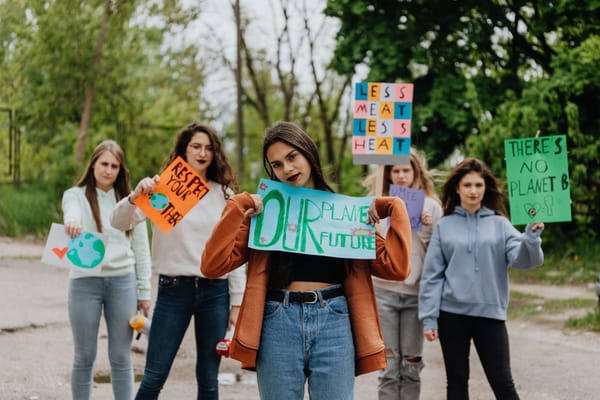
Social Justice
What Happens When a Peaceful Protest Against a Coal Mine Leads to a 2-Year Prison Sentence? The Esra Işık Case in Turkey
Imagine standing up for a forest you love, a place where your neighbors grow food and your children play. Now imagine that act of peaceful protest lands you in court, facing prison time. That is exactly what happened to Esra Işık, a Turkish environmental activist whose recent co…
Read More...
Social Justice
3 Sahel Nations Exit ICC: What This Means for Justice in West Africa
In a move that has captured global attention, Burkina Faso, Mali, and Niger have officially notified the United Nations of their decision to withdraw from the Rome Statute, the treaty that created the International Criminal Court (ICC). The UN Secretary General confirmed this de…
Read More...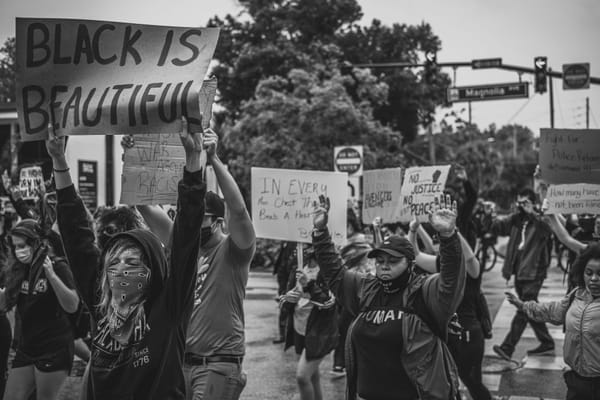
Social Justice
450 Years for a Fireworks Protest? What the Prairieland ICE Case Means for Your Right to Speak Out
Imagine planning a Fourth of July celebration to lift the spirits of people held in immigration detention. You bring fireworks, music, and a few legally carried firearms. After thirty minutes, you pack up and go home. Now imagine being told that those thirty minutes will cost yo…
Read More...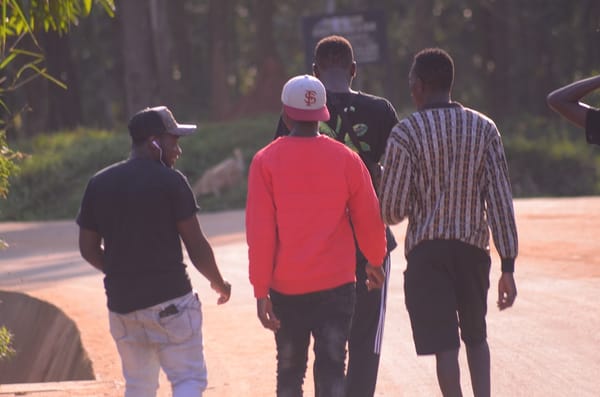
Social Justice
What Happens When a Country Silences Its Media? Uganda’s Crackdown on Journalists and Activists Explained
On a single day in late June, Uganda’s media landscape changed dramatically. Six major news outlets were shut down. Journalists were locked out of their offices. Equipment was seized. No court order was shown. No public explanation was given. The question on many minds is simple…
Read More...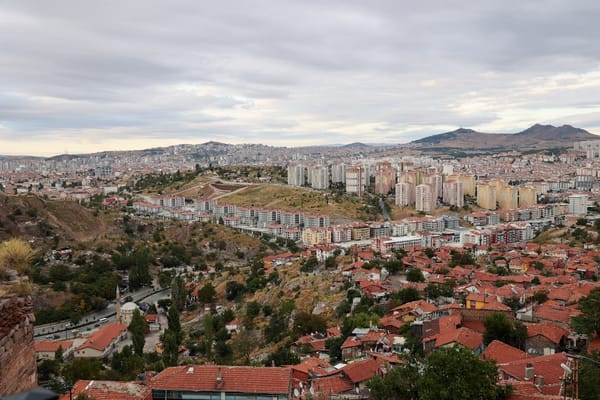
Social Justice
What Happens When a NATO Host City Bans All Protests for 13 Days? Turkey’s Move Raises Questions
Imagine your city suddenly goes silent. Not the quiet of a holiday, but the kind of silence that comes when the right to gather, to speak, to hold a sign, is taken away. That is exactly what is happening in Ankara right now. As Turkey prepares to host the 36th NATO Summit, autho…
Read More...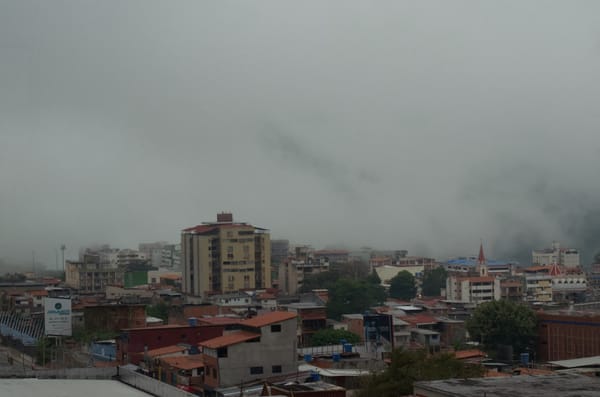
Social Justice
6.8 Magnitude Earthquake Hits Venezuela: What the Disaster Response Reveals About Human Rights
On the afternoon of June 24, 2026, the ground shook across Venezuela. A 6.8 magnitude earthquake struck multiple regions, from the northern coastal states to the central highlands. Within hours, neighborhoods in Maracaibo, Valencia, and Barquisimeto were reduced to rubble. Thous…
Read More...
Social Justice
40% of Executions Are for Drug Crimes: Why Global Drug Policy Needs a Human Rights Overhaul
Imagine a world where more than four out of every ten executions are for crimes that didn’t involve violence. That’s not a hypothetical scenario. It’s the reality we’re living in right now. According to independent monitors like Amnesty International and Harm Reduction Internati…
Read More...