
Africa’s Albinism Crisis: 2025 Court Ruling That Could Save 100,000 Lives
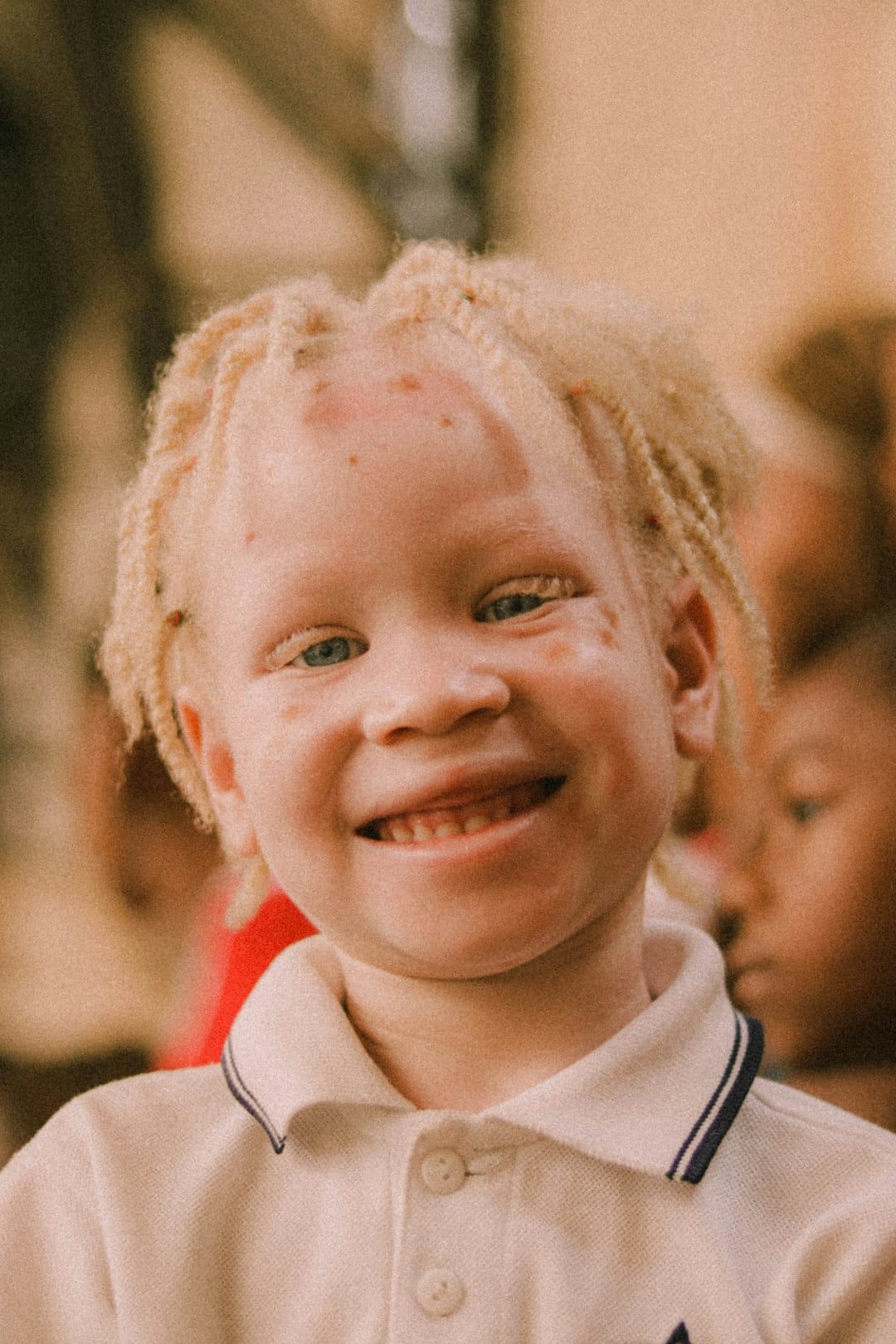
Arusha, Tanzania, MMN Correspondent: Imagine being hunted for your body parts. Not because of a crime you committed, but because of a condition you were born with. For tens of thousands of people across Africa, this is not a horror movie. It is daily life. But in February 2025, a single court decision changed everything.
Across the continent, people with albinism have faced a quiet war. In Tanzania alone, an estimated 100,000 individuals live with this genetic condition that leaves them without melanin. Their skin burns easily. Their eyes struggle in sunlight. But the real danger comes from their neighbors. Deep rooted myths claim their bones bring wealth. Their hair holds magic. Their blood offers protection. These beliefs have fueled kidnappings, mutilations, and murders for decades.
Children have been taken from their beds at night. Some were sold for as little as 100 dollars. Their limbs ended up in the hands of witchdoctors who promised customers good fortune. The violence was brutal. The silence was louder.
Then three human rights organizations decided to fight back. In 2018, the Centre for Human Rights, the Institute for Human Rights and Development in Africa, and the Legal and Human Rights Centre filed a complaint against Tanzania. They argued the government had failed its citizens with albinism. They pointed to years of attacks without justice. They showed how shelters meant to protect children actually separated families and caused new trauma. They proved schools refused to provide simple accommodations like large print books or extra exam time.
The African Court on Human and Peoples' Rights listened. On February 5, 2025, it delivered a verdict that sent ripples across the continent. For the first time, the Court applied the African Charter specifically to people with albinism. It found Tanzania violated the right to life, the right to dignity, the right to health, and the right to education. The ruling was not just a win for one country. It became a binding precedent for all 55 African Union member states.
What makes this decision so powerful is what it demands next. Tanzania now has two years to take concrete actions. It must create a national compensation fund for victims. It must change criminal laws to make attacks on people with albinism aggravated offenses with harsher penalties. It must launch a nationwide public awareness campaign to replace superstition with science. Schools must be equipped to actually teach students with albinism. Shelters must prioritize keeping families together.
This is where the story gets interesting. The Court did not just punish failure. It offered a roadmap for transformation. Countries like Malawi, Uganda, Kenya, and Nigeria now face new scrutiny. Attacks still happen there. But the legal foundation for change is now solid. Any government that ignores this ruling does so with full knowledge of the consequences.
Beyond the courtroom, real progress is already visible. Solar powered sunscreen distribution programs are reaching remote villages. Mobile clinics are catching skin cancer early. UV protective clothing initiatives are giving children a chance to play outside. Local advocacy groups are training healthcare providers and teachers. These efforts prove that when political will meets compassion, change is possible.
The deeper truth here is about visibility. People with albinism have been invisible in plain sight. Their suffering was known but ignored. Their humanity was denied by myth. This ruling forces a cultural shift. It says that protecting the vulnerable is not optional. It says that dignity is not a privilege. It says that every person deserves to walk in the sun without fear.
The fight is far from over. Two years is a short time to undo decades of neglect. But the precedent is set. The obligation is clear. And for the first time, the law is on the side of those who need it most. That is not just justice. That is hope made real.
Related in Social Justice
Social Justice
What Happened After 28 Died in Sri Lanka’s Prison Riots? Two More Inmates Dead in Transfer – Demands for Answers Grow
Just days after a brutal two day clash inside Negombo Prison left at least 28 people dead and over 100 injured, two more inmates have died. Not from the violence inside the walls, but shortly after being moved to other facilities. The question now is: what really happened during…
Read More...
Social Justice
What 50 Years of Civil Rights Battles in North Carolina Can Teach Us About the Future of Voting Access
What does it take to keep fighting for justice when the rules keep changing? On July 21, 2026, two of North Carolina’s most influential civil rights figures will sit down together in Durham to answer that question. Leslie Winner and Angela Bryant have spent decades on the front…
Read More...
Social Justice
What North Carolina’s Civil Rights Icons Reveal About Voting Rights in 2026: A Fireside Chat You Can’t Miss
Imagine sitting just a few feet away from the people who literally rewrote the rules of American democracy. That’s the kind of evening the Southern Coalition for Social Justice is offering on July 21, 2026. They’re hosting a fireside conversation called *North Carolina Icons: Th…
Read More...
Social Justice
What Happens When a Peaceful Protest Against a Coal Mine Leads to a 2-Year Prison Sentence? The Esra Işık Case in Turkey
Imagine standing up for a forest you love, a place where your neighbors grow food and your children play. Now imagine that act of peaceful protest lands you in court, facing prison time. That is exactly what happened to Esra Işık, a Turkish environmental activist whose recent co…
Read More...
Social Justice
3 Sahel Nations Exit ICC: What This Means for Justice in West Africa
In a move that has captured global attention, Burkina Faso, Mali, and Niger have officially notified the United Nations of their decision to withdraw from the Rome Statute, the treaty that created the International Criminal Court (ICC). The UN Secretary General confirmed this de…
Read More...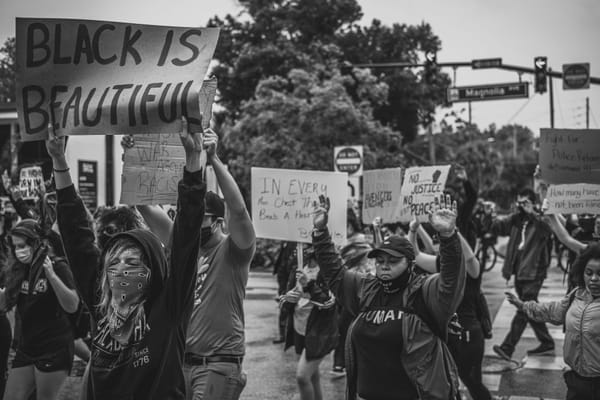
Social Justice
450 Years for a Fireworks Protest? What the Prairieland ICE Case Means for Your Right to Speak Out
Imagine planning a Fourth of July celebration to lift the spirits of people held in immigration detention. You bring fireworks, music, and a few legally carried firearms. After thirty minutes, you pack up and go home. Now imagine being told that those thirty minutes will cost yo…
Read More...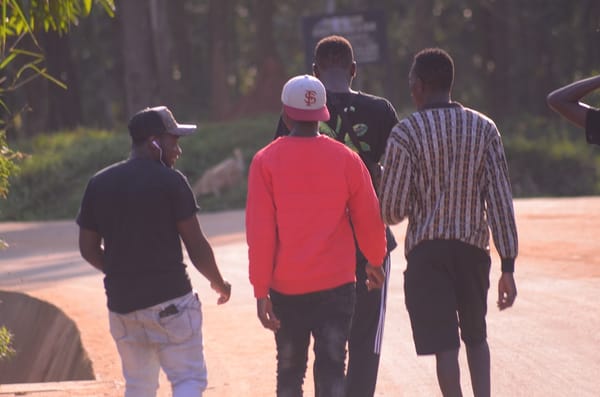
Social Justice
What Happens When a Country Silences Its Media? Uganda’s Crackdown on Journalists and Activists Explained
On a single day in late June, Uganda’s media landscape changed dramatically. Six major news outlets were shut down. Journalists were locked out of their offices. Equipment was seized. No court order was shown. No public explanation was given. The question on many minds is simple…
Read More...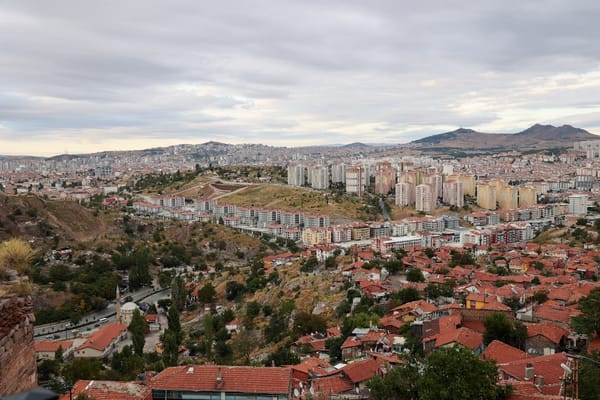
Social Justice
What Happens When a NATO Host City Bans All Protests for 13 Days? Turkey’s Move Raises Questions
Imagine your city suddenly goes silent. Not the quiet of a holiday, but the kind of silence that comes when the right to gather, to speak, to hold a sign, is taken away. That is exactly what is happening in Ankara right now. As Turkey prepares to host the 36th NATO Summit, autho…
Read More...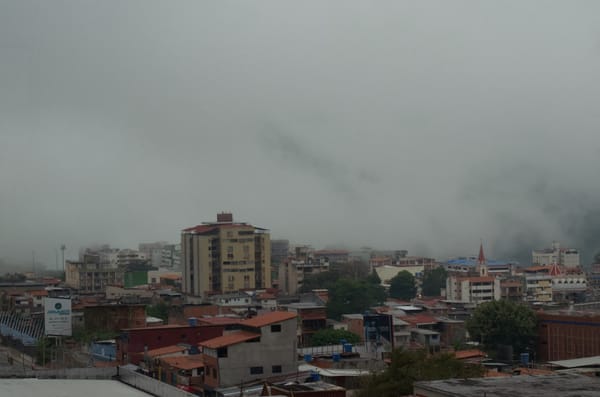
Social Justice
6.8 Magnitude Earthquake Hits Venezuela: What the Disaster Response Reveals About Human Rights
On the afternoon of June 24, 2026, the ground shook across Venezuela. A 6.8 magnitude earthquake struck multiple regions, from the northern coastal states to the central highlands. Within hours, neighborhoods in Maracaibo, Valencia, and Barquisimeto were reduced to rubble. Thous…
Read More...
Social Justice
40% of Executions Are for Drug Crimes: Why Global Drug Policy Needs a Human Rights Overhaul
Imagine a world where more than four out of every ten executions are for crimes that didn’t involve violence. That’s not a hypothetical scenario. It’s the reality we’re living in right now. According to independent monitors like Amnesty International and Harm Reduction Internati…
Read More...