
What Happened After 28 Died in Sri Lanka’s Prison Riots? Two More Inmates Dead in Transfer – Demands for Answers Grow
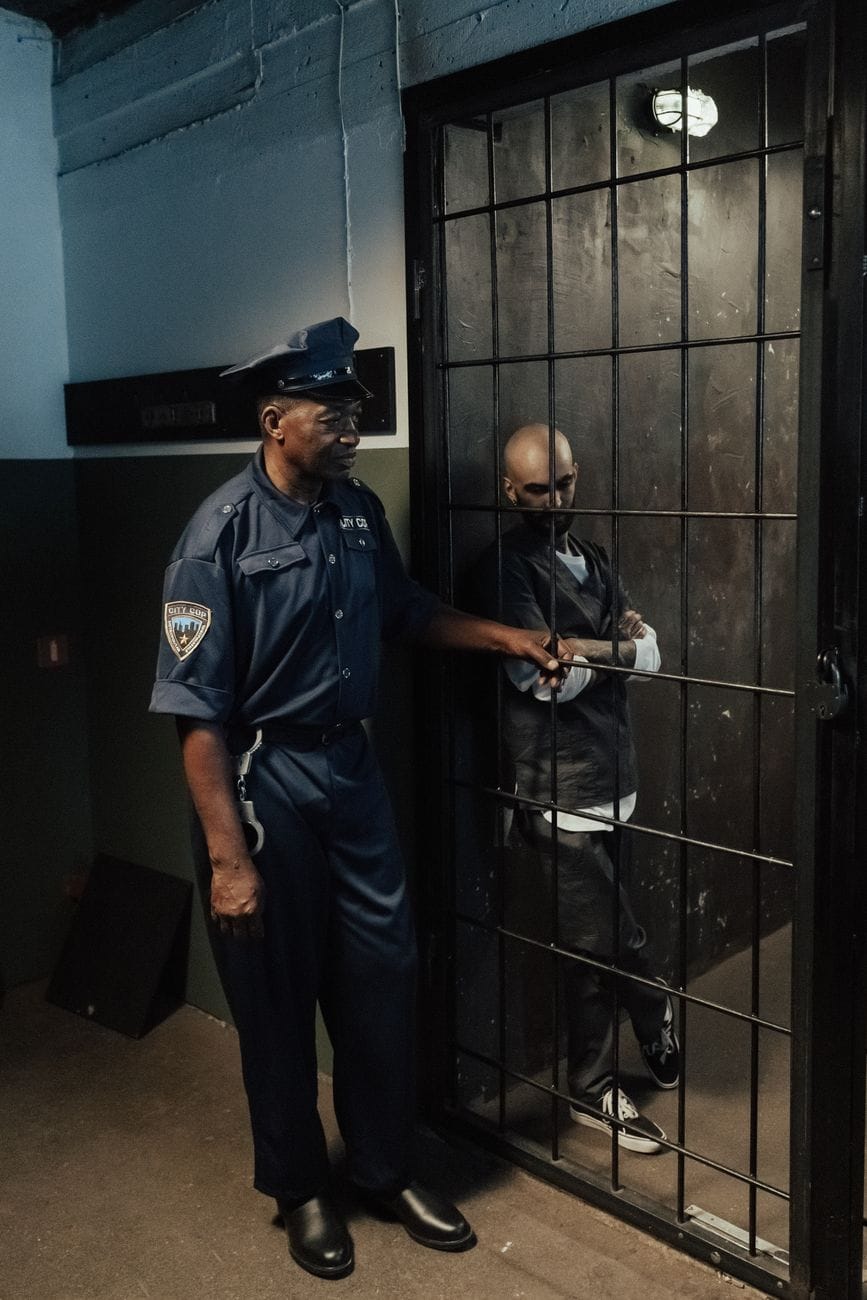
Negombo, Sri Lanka, MMN Correspondent: Just days after a brutal two day clash inside Negombo Prison left at least 28 people dead and over 100 injured, two more inmates have died. Not from the violence inside the walls, but shortly after being moved to other facilities. The question now is: what really happened during those transfers?
The initial outbreak erupted between July 5 and 6 inside one of Sri Lanka’s largest correctional centers. Armed confrontations between rival inmate groups turned deadly fast. Seven prison officials were among the casualties. The scale of the bloodshed stunned local authorities and international observers alike. It also exposed deep cracks in how the country manages its prisons.
On July 6, the government announced a three member investigative committee to look into the clashes. But human rights groups are already questioning whether that committee can operate independently. Past inquiries into prison incidents have often ended without clear answers or accountability.
Then came July 8. An inmate transferred to Boossa High Security Prison died suddenly under unclear medical circumstances. Another prisoner moved to Agunukolapelessa Prison also passed away just hours after arrival. Two more lives lost, this time outside the prison walls. Advocacy groups are now asking: were these deaths preventable?
The Committee to Protect Rights of Prisoners (CPRP) has gone public with allegations that several inmates transferred from Negombo were tortured during relocation. Reports describe beatings, overcrowded transport vehicles, denial of food and water, and verbal threats. Prison authorities have not confirmed these claims, but the pattern matches broader concerns about detainee treatment across Sri Lanka’s penal system.
Amnesty International’s Deputy Regional Director for South Asia, Babu Ram Pant, made a clear statement: “The authorities have a responsibility to ensure the safety and well being of these prisoners. An immediate investigation must be carried out into the circumstances of all deaths.” He also called for the Human Rights Commission of Sri Lanka to be given full access to check on inmates.
The Human Rights Commission of Sri Lanka (HRCSL) had already raised alarms about deteriorating prison conditions. After receiving reports of mistreatment, they issued a directive demanding protection for all inmates and unrestricted access to facilities. But when a Rapid Response Unit tried to enter Welikada Prison on the night of July 7, they were denied entry. That move raises serious questions about transparency.
This is not a new problem. Just last month, the United Nations Subcommittee on Prevention of Torture visited Sri Lankan prisons and found extreme overcrowding, prolonged pretrial detentions, and inadequate healthcare. They noted that conditions had not improved meaningfully in seven years, despite repeated warnings.
Official figures show Sri Lankan prisons operate at over 130% capacity. Some facilities hold more than double their intended population. That leads to unsanitary living conditions, limited medical services, and heightened tensions among inmates. The average pretrial detainee waits nearly two years for trial, often without proper legal help or family contact.
The Negombo violence echoes a similar tragedy in 2021 at Colombo’s Welikada Prison, where over 30 people died. That incident sparked national outrage and temporary reforms, but structural issues remained. Without independent oversight and sustained investment, the cycle continues.
Experts say comprehensive reform is needed: an independent prison oversight body, better mental health and medical services, and humane transfer protocols. Transparency is essential. Any investigation into the Negombo incident must be open to public scrutiny, involve civil society, and lead to real accountability.
Families are waiting for answers. Survivors are sharing harrowing accounts. The world is watching how Sri Lanka responds. The fate of these two inmates, and countless others held in dire conditions, depends on what happens next.
This crisis is not just about one country. It raises a global question: how do nations uphold human rights inside the walls of incarceration? For Sri Lanka, the path forward requires courage, honesty, and a commitment to justice for every person deprived of liberty.
Related in Social Justice
Social Justice
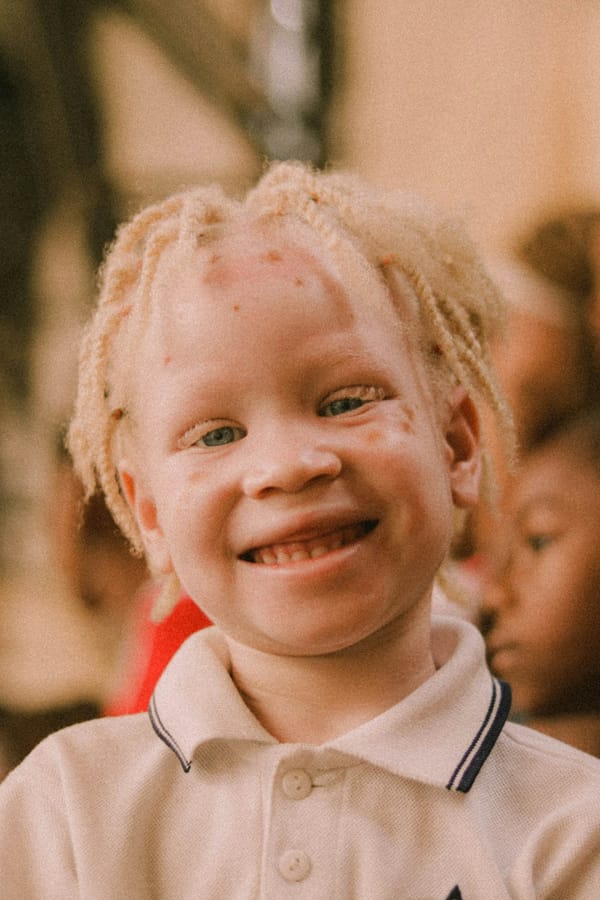
Africa’s Albinism Crisis: 2025 Court Ruling That Could Save 100,000 Lives
Imagine being hunted for your body parts. Not because of a crime you committed, but because of a condition you were born with. For tens of thousands of people across Africa, this is not a horror movie. It is daily life. But in February 2025, a single court decision changed every…
Read More...
Social Justice
What 50 Years of Civil Rights Battles in North Carolina Can Teach Us About the Future of Voting Access
What does it take to keep fighting for justice when the rules keep changing? On July 21, 2026, two of North Carolina’s most influential civil rights figures will sit down together in Durham to answer that question. Leslie Winner and Angela Bryant have spent decades on the front…
Read More...
Social Justice
What North Carolina’s Civil Rights Icons Reveal About Voting Rights in 2026: A Fireside Chat You Can’t Miss
Imagine sitting just a few feet away from the people who literally rewrote the rules of American democracy. That’s the kind of evening the Southern Coalition for Social Justice is offering on July 21, 2026. They’re hosting a fireside conversation called *North Carolina Icons: Th…
Read More...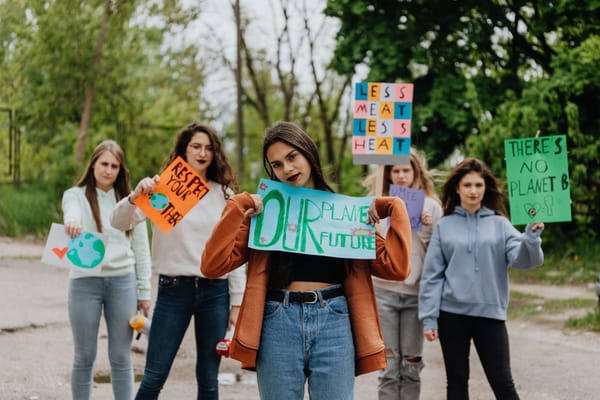
Social Justice
What Happens When a Peaceful Protest Against a Coal Mine Leads to a 2-Year Prison Sentence? The Esra Işık Case in Turkey
Imagine standing up for a forest you love, a place where your neighbors grow food and your children play. Now imagine that act of peaceful protest lands you in court, facing prison time. That is exactly what happened to Esra Işık, a Turkish environmental activist whose recent co…
Read More...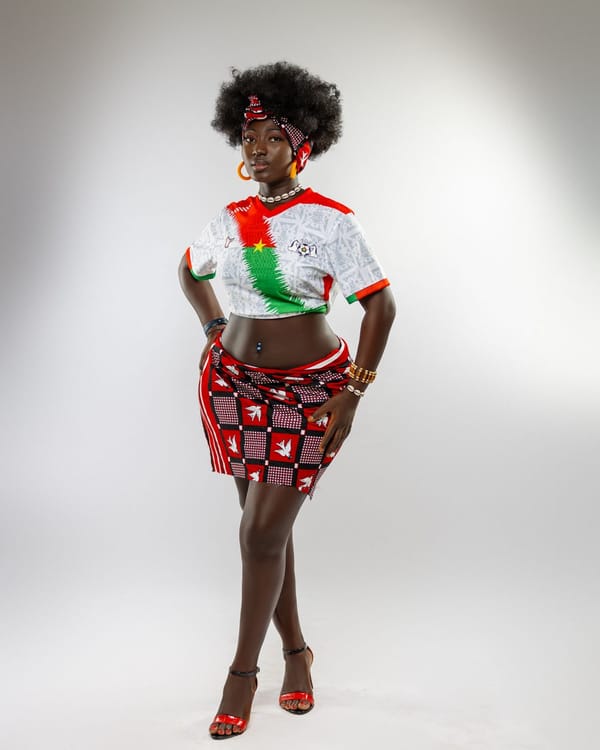
Social Justice
3 Sahel Nations Exit ICC: What This Means for Justice in West Africa
In a move that has captured global attention, Burkina Faso, Mali, and Niger have officially notified the United Nations of their decision to withdraw from the Rome Statute, the treaty that created the International Criminal Court (ICC). The UN Secretary General confirmed this de…
Read More...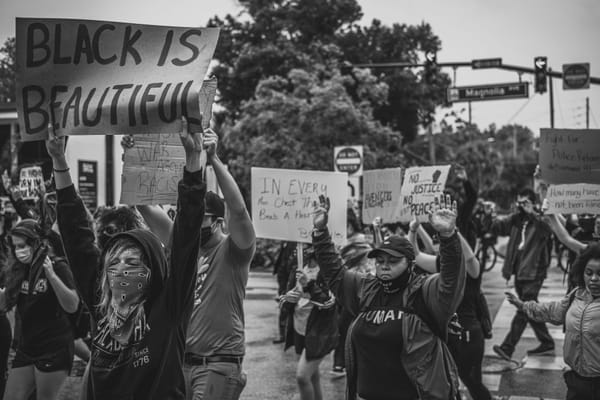
Social Justice
450 Years for a Fireworks Protest? What the Prairieland ICE Case Means for Your Right to Speak Out
Imagine planning a Fourth of July celebration to lift the spirits of people held in immigration detention. You bring fireworks, music, and a few legally carried firearms. After thirty minutes, you pack up and go home. Now imagine being told that those thirty minutes will cost yo…
Read More...
Social Justice
What Happens When a Country Silences Its Media? Uganda’s Crackdown on Journalists and Activists Explained
On a single day in late June, Uganda’s media landscape changed dramatically. Six major news outlets were shut down. Journalists were locked out of their offices. Equipment was seized. No court order was shown. No public explanation was given. The question on many minds is simple…
Read More...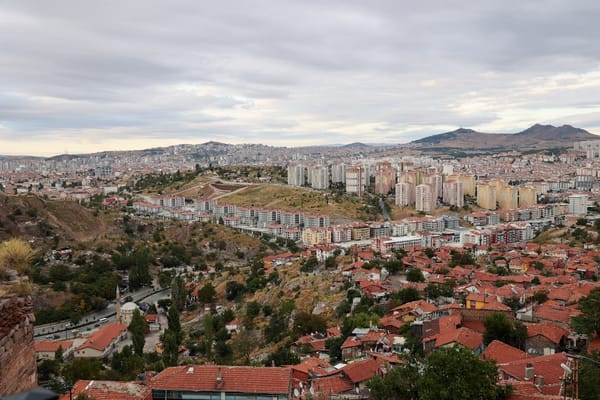
Social Justice
What Happens When a NATO Host City Bans All Protests for 13 Days? Turkey’s Move Raises Questions
Imagine your city suddenly goes silent. Not the quiet of a holiday, but the kind of silence that comes when the right to gather, to speak, to hold a sign, is taken away. That is exactly what is happening in Ankara right now. As Turkey prepares to host the 36th NATO Summit, autho…
Read More...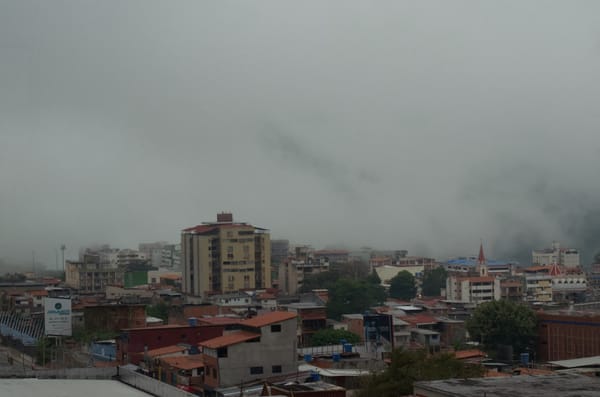
Social Justice
6.8 Magnitude Earthquake Hits Venezuela: What the Disaster Response Reveals About Human Rights
On the afternoon of June 24, 2026, the ground shook across Venezuela. A 6.8 magnitude earthquake struck multiple regions, from the northern coastal states to the central highlands. Within hours, neighborhoods in Maracaibo, Valencia, and Barquisimeto were reduced to rubble. Thous…
Read More...
Social Justice
40% of Executions Are for Drug Crimes: Why Global Drug Policy Needs a Human Rights Overhaul
Imagine a world where more than four out of every ten executions are for crimes that didn’t involve violence. That’s not a hypothetical scenario. It’s the reality we’re living in right now. According to independent monitors like Amnesty International and Harm Reduction Internati…
Read More...