
6.8 Magnitude Earthquake Hits Venezuela: What the Disaster Response Reveals About Human Rights
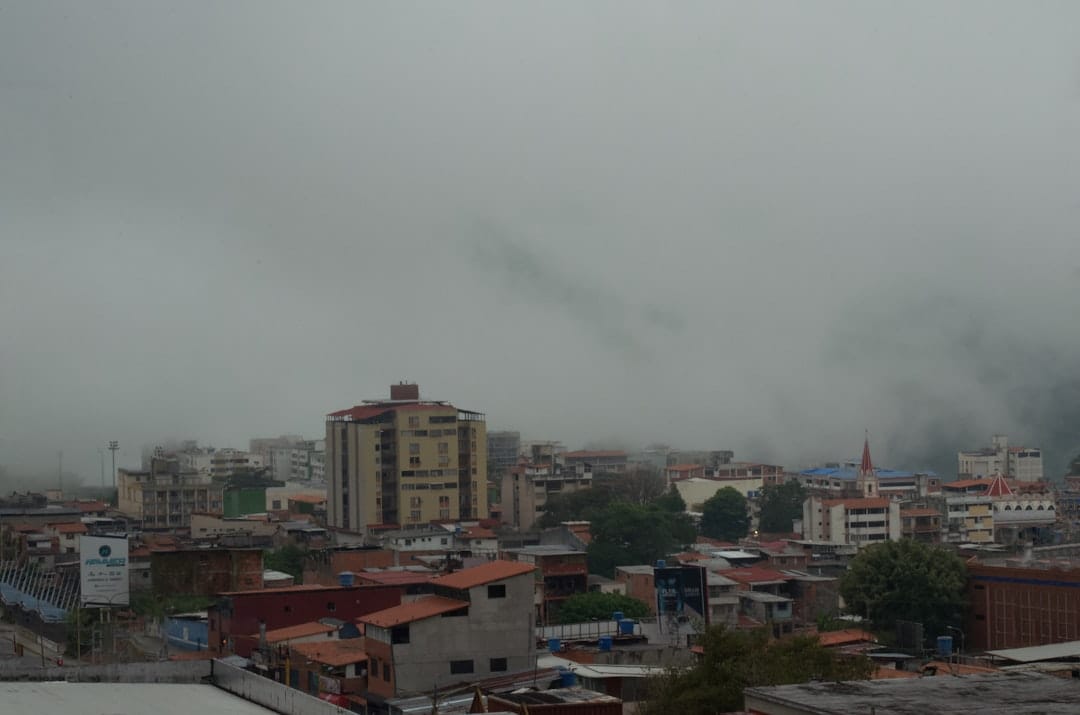
Caracas, Venezuela, MMN Correspondent: On the afternoon of June 24, 2026, the ground shook across Venezuela. A 6.8 magnitude earthquake struck multiple regions, from the northern coastal states to the central highlands. Within hours, neighborhoods in Maracaibo, Valencia, and Barquisimeto were reduced to rubble. Thousands of families lost their homes. Hospitals, already fragile, were damaged. Roads cracked. Communication lines went down. And a question began to surface: in a country already facing a decade long humanitarian crisis, how does a natural disaster change the picture for human rights?
The earthquake was felt across more than half of Venezuela’s 23 states. Official data remains fragmented. Independent monitoring groups, using satellite imagery and eyewitness accounts, report entire blocks flattened. Emergency services, stretched thin by years of underfunding and staff shortages, are doing what they can. But the scale of the need is enormous. And the response so far raises important questions about transparency, access, and accountability.
Agnès Callamard, Secretary General of Amnesty International, put it this way: “We stand in solidarity with all those directly or indirectly affected by this disaster, which now risks further compounding an already severe and protracted human rights crisis.” Her words point to a reality that has been unfolding for over 12 years. Economic collapse. Hyperinflation. Mass migration. And a steady erosion of civil liberties. The earthquake did not create these problems. But it has exposed them in new ways.
Consider the health system. Once a regional benchmark, it has been decimated. Hospitals lack basic supplies. Medications are scarce. Medical professionals have left the country in large numbers. After the quake, many injured individuals cannot access timely care. Over 70% of hospitals are reportedly operating below minimum capacity. The risk of preventable deaths from untreated injuries or infections is real. This is not just a logistical challenge. It is a matter of the right to life and personal integrity.
Amnesty International is calling on Venezuelan authorities to ensure that all disaster response measures comply with humanitarian principles and international human rights law. That includes guaranteeing freedom of movement for affected populations. It also means releasing individuals detained without legal basis, especially those held on political grounds. And allowing humanitarian and human rights monitors access to detention centers to verify the safety of inmates. These are not optional steps. They are essential for a response that respects human dignity.
The environment for civil society in Venezuela has been deeply restrictive since 2015. A series of laws, including the Anti NGO Law, have criminalized the work of domestic and international human rights organizations. NGOs must register with state bodies, submit detailed financial disclosures, and obtain approval before conducting any activity. Dozens of groups have been forced to shut down. Many others operate under constant threat of harassment or closure. In the context of a natural disaster, these restrictions become even more dangerous.
Independent monitoring, media reporting, and community led relief efforts are essential for identifying the most vulnerable populations and ensuring aid reaches them equitably. Yet access to information remains severely limited. Social media platforms like X (formerly Twitter), Telegram, and WhatsApp have been intermittently blocked. Journalists face arrest for reporting on the disaster. One reporter was detained within hours of covering collapsed buildings in Caracas, accused of “spreading panic.” Press freedom advocates have condemned this widely.
Lifting these restrictions is a matter of life and death. Without free flow of information, families cannot locate missing relatives. Aid workers cannot assess needs accurately. Governments cannot respond effectively. Restoring digital connectivity and press freedoms could prevent preventable loss of life and protect fundamental rights. The opportunity here is to build a response that is transparent, inclusive, and grounded in human dignity.
International cooperation is equally vital. Some nations have pledged aid, but coordination remains weak. The United Nations Office for the Coordination of Humanitarian Affairs reports that less than 30% of requested humanitarian funding has been secured. Multilateral institutions can step up to fill the gap. Resources should be distributed based on need, not political favor. Aid must be delivered through transparent, impartial channels and in close collaboration with trusted local civil society organizations. These groups understand the communities best and are positioned to serve them effectively.
The principle of neutrality should guide all international actors. Humanitarian assistance should never be politicized or used as leverage. The presence of foreign military personnel or intelligence agencies in relief operations risks undermining trust and exposing vulnerable populations to surveillance or coercion. A neutral, principled approach builds confidence and ensures aid reaches those who need it most.
Venezuela has endured one of the world’s longest running humanitarian crises. Over 7 million people have fled the country since 2015, creating the largest displacement in Latin American history. Those who remain face daily hardships: food insecurity, water scarcity, unreliable electricity. The earthquake has shattered what little stability existed in many areas. Temporary shelters have become makeshift camps where disease spreads rapidly. Grassroots movements and faith based groups have stepped in to provide food, shelter, and medical care. But they lack the resources and legal recognition needed to scale their efforts.
The Venezuelan government has an opportunity to formally recognize and support these initiatives. Repealing outdated regulations that hinder civic participation would allow local organizations to do what they do best: serve their communities. This is not about politics. It is about practical, life saving action.
As recovery begins, the path forward can be rooted in justice, transparency, and dignity. The earthquake has exposed systemic failures. But it also presents a chance to rebuild not just infrastructure, but the social contract. By centering human rights in every phase of the response from search and rescue to reconstruction Venezuela can turn a tragedy into a turning point. The world watches closely. The next few weeks will determine whether this becomes another chapter in a cycle of neglect or a moment of accountability, compassion, and resilience.
Related in Social Justice
Social Justice
Africa’s Albinism Crisis: 2025 Court Ruling That Could Save 100,000 Lives
Imagine being hunted for your body parts. Not because of a crime you committed, but because of a condition you were born with. For tens of thousands of people across Africa, this is not a horror movie. It is daily life. But in February 2025, a single court decision changed every…
Read More...
Social Justice
What Happened After 28 Died in Sri Lanka’s Prison Riots? Two More Inmates Dead in Transfer – Demands for Answers Grow
Just days after a brutal two day clash inside Negombo Prison left at least 28 people dead and over 100 injured, two more inmates have died. Not from the violence inside the walls, but shortly after being moved to other facilities. The question now is: what really happened during…
Read More...
Social Justice
What 50 Years of Civil Rights Battles in North Carolina Can Teach Us About the Future of Voting Access
What does it take to keep fighting for justice when the rules keep changing? On July 21, 2026, two of North Carolina’s most influential civil rights figures will sit down together in Durham to answer that question. Leslie Winner and Angela Bryant have spent decades on the front…
Read More...
Social Justice
What North Carolina’s Civil Rights Icons Reveal About Voting Rights in 2026: A Fireside Chat You Can’t Miss
Imagine sitting just a few feet away from the people who literally rewrote the rules of American democracy. That’s the kind of evening the Southern Coalition for Social Justice is offering on July 21, 2026. They’re hosting a fireside conversation called *North Carolina Icons: Th…
Read More...
Social Justice
What Happens When a Peaceful Protest Against a Coal Mine Leads to a 2-Year Prison Sentence? The Esra Işık Case in Turkey
Imagine standing up for a forest you love, a place where your neighbors grow food and your children play. Now imagine that act of peaceful protest lands you in court, facing prison time. That is exactly what happened to Esra Işık, a Turkish environmental activist whose recent co…
Read More...
Social Justice
3 Sahel Nations Exit ICC: What This Means for Justice in West Africa
In a move that has captured global attention, Burkina Faso, Mali, and Niger have officially notified the United Nations of their decision to withdraw from the Rome Statute, the treaty that created the International Criminal Court (ICC). The UN Secretary General confirmed this de…
Read More...
Social Justice
450 Years for a Fireworks Protest? What the Prairieland ICE Case Means for Your Right to Speak Out
Imagine planning a Fourth of July celebration to lift the spirits of people held in immigration detention. You bring fireworks, music, and a few legally carried firearms. After thirty minutes, you pack up and go home. Now imagine being told that those thirty minutes will cost yo…
Read More...
Social Justice
What Happens When a Country Silences Its Media? Uganda’s Crackdown on Journalists and Activists Explained
On a single day in late June, Uganda’s media landscape changed dramatically. Six major news outlets were shut down. Journalists were locked out of their offices. Equipment was seized. No court order was shown. No public explanation was given. The question on many minds is simple…
Read More...
Social Justice
What Happens When a NATO Host City Bans All Protests for 13 Days? Turkey’s Move Raises Questions
Imagine your city suddenly goes silent. Not the quiet of a holiday, but the kind of silence that comes when the right to gather, to speak, to hold a sign, is taken away. That is exactly what is happening in Ankara right now. As Turkey prepares to host the 36th NATO Summit, autho…
Read More...
Social Justice
40% of Executions Are for Drug Crimes: Why Global Drug Policy Needs a Human Rights Overhaul
Imagine a world where more than four out of every ten executions are for crimes that didn’t involve violence. That’s not a hypothetical scenario. It’s the reality we’re living in right now. According to independent monitors like Amnesty International and Harm Reduction Internati…
Read More...