
5,000 Robotaxis Are Headed to Las Vegas: Tesla’s Boldest Move Yet in Autonomous Ride Hailing
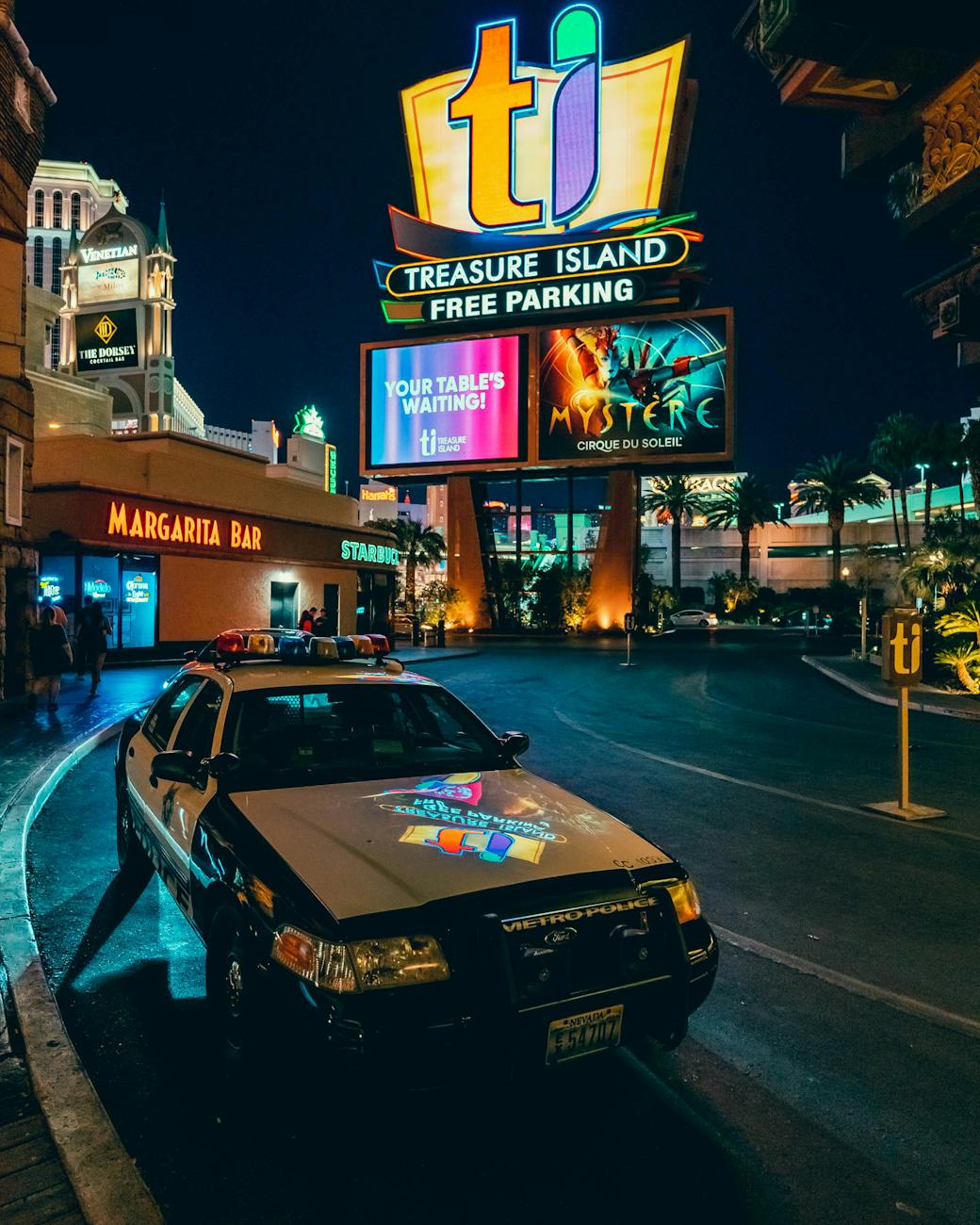
Las Vegas, Nevada, MMN Correspondent: Tesla just took a massive step toward making driverless taxis a daily reality. The company filed a formal request with regulators in Clark County, Nevada, to operate up to 5,000 robotaxis across the Las Vegas area, including the airport and the Strip. This isn’t a small test. It’s a full scale commercial push.
Why Las Vegas? The city draws more than 45 million visitors each year. That’s a rotating audience of people from every corner of the world. For Tesla, it’s the perfect place to show what its Full Self Driving system can do under real world pressure. Tourists will see the cars. They’ll ride in them. And they’ll take that experience home. That kind of exposure is hard to beat.
The filing, labeled Docket 26 05015, comes right after Tesla started rolling out Cybercab prototypes at Gigafactory Texas. Those purpose built vehicles are designed specifically for ride hailing. They’re minimalist, efficient, and built to lower the cost per mile. Once they hit the streets in volume, the economics of autonomous mobility could shift dramatically.
This isn’t Tesla’s first rodeo in Nevada. Back in September 2025, the company got testing approvals from the Nevada DMV. Since then, it has set up maintenance hubs in the Las Vegas area and trained staff to support a large fleet. The infrastructure is already in place. Now it’s about execution.
If you look at Tesla’s internal roadmap, Las Vegas is listed alongside Phoenix, Miami, Orlando, Tampa, Dallas, Houston, Austin, and the San Francisco Bay Area. Austin is already running unsupervised operations. The Bay Area still uses safety drivers. That phased approach shows Tesla is being careful, even as it moves fast.
Paid robotaxi miles nearly doubled in the first quarter of 2026. That’s a strong signal that people are using the service and coming back for more. Some timelines have slipped due to permitting and software tweaks, but the momentum is real.
Safety remains the headline. Tesla’s unsupervised operations in Texas have logged thousands of miles without a single reported accident or injury. That track record matters. It builds trust with regulators and riders alike. And it gives Tesla a solid foundation to expand into new markets.
The Cybercab is the centerpiece of this vision. Unlike the Model Y based robotaxis currently in use, the Cybercab is built from the ground up for autonomy. It’s designed to be durable, cost effective, and easy to maintain. Once fully deployed, it could replace many of the older vehicles in the fleet, driving down costs and making self driving rides affordable for more people.
For investors, the Nevada filing is a clear signal. Tesla is not just testing. It’s preparing to scale. Success in Las Vegas could become a template for entering other dense urban centers around the world. The shift from car ownership to shared autonomous mobility is accelerating.
Meanwhile, Tesla hasn’t forgotten its existing customers. Owners of vehicles with Hardware 3 learned during the Q1 2026 earnings call that their systems lack the memory bandwidth needed for unsupervised FSD. In response, Tesla is rolling out FSD v14 Lite, a streamlined version of its latest neural network optimized for HW3. It won’t include every feature available on HW4 cars, but it will bring better reaction times and smoother behavior. It’s a meaningful upgrade for millions of owners.
Beyond the robotaxi news, there’s another layer to watch. SpaceX recently filed an amended S 1 that includes language about issuing significant equity. That has sparked speculation about a potential merger between SpaceX and Tesla. Some analysts estimate a 28% dilution if SpaceX acquires Tesla at a higher valuation. Others see a merger of equals, valued at $4.1 trillion combined, that could reprice Tesla shares upward by nearly $450 billion. Either way, the two companies are already deeply connected. SpaceX has purchased $697 million in Tesla Megapacks and $131 million in Cybertrucks. Shared supply chains and semiconductor plans tie them together.
Whether or not a merger happens, the direction is clear. Tesla is pushing forward in Las Vegas, refining its software for older hardware, and building the infrastructure for a future where robotaxis are as common as ride shares are today. The era of autonomous mobility is arriving one mile at a time, and it’s happening right in the middle of the Las Vegas Strip.
Related in Space Tech
Space Tech
Elon Musk Admits He Was Wrong About Anthropic, Tesla’s Self-Driving Nears an Inflection Point, and NASA’s Roman Telescope Prepares for Launch: Three Stories Defining 2026
On a Tuesday morning in June, Elon Musk did something rare in the world of tech billionaires. He admitted he was wrong. Not in a quiet, buried-in-a-footnote kind of way, but publicly, on his own platform X. The target of his reversal? Anthropic, the AI company he had dismissed j…
Read More...
Space Tech
Miami Now Has Driverless Taxis Operating Without Any Human Oversight: Here’s What Tesla’s Robotaxi Launch Means for You
Imagine hailing a taxi in Miami, climbing in, and realizing there’s no one behind the wheel. No safety driver. No remote monitor. Just you, the car, and the open road. That scenario is no longer a test or a demo. It’s live. Tesla has officially launched its Robotaxi service in M…
Read More...
Space Tech
Your Tesla Will Soon Learn Your Neighborhood by Voice: 3 Ways FSD Remembers Every Detail
Tesla is quietly rolling out a feature that could change how you think about your car. Instead of relying on GPS pins that sometimes point to the wrong house, your Full Self-Driving system will soon learn your street the way a local does. You speak. It remembers. No maps require…
Read More...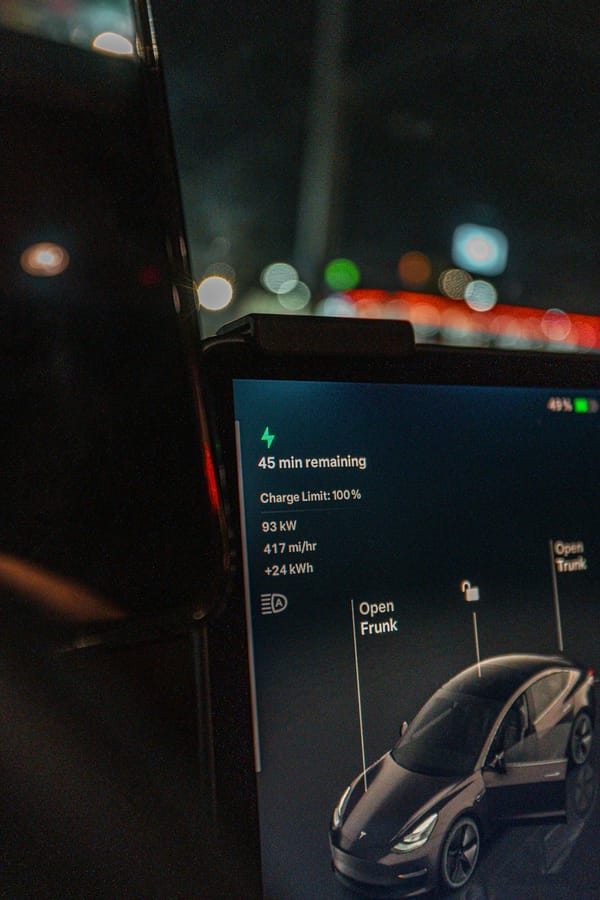
Space Tech
Tesla App Update 2026: How Owners Now Manage a Robotaxi Fleet from Their Phone
Imagine glancing at your phone and seeing your car driving itself across town, earning money while you sip coffee at home. That’s not a sci-fi fantasy anymore. A recent Tesla app update, quietly rolled out in late June 2026 as part of software version 4.58.5, has turned every ow…
Read More...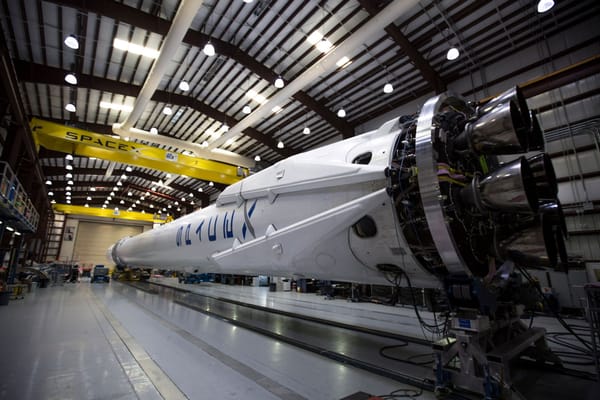
Space Tech
SpaceXAI Is Here: How a $1.25 Trillion Merger Is Building Orbital Data Centers for the Next AI Era
When Elon Musk announced in May 2026 that xAI would vanish as a standalone company, most people assumed it was just another corporate reshuffle. They were wrong. What actually happened was the quiet birth of something far bigger: SpaceXAI, a single entity that now controls rocke…
Read More...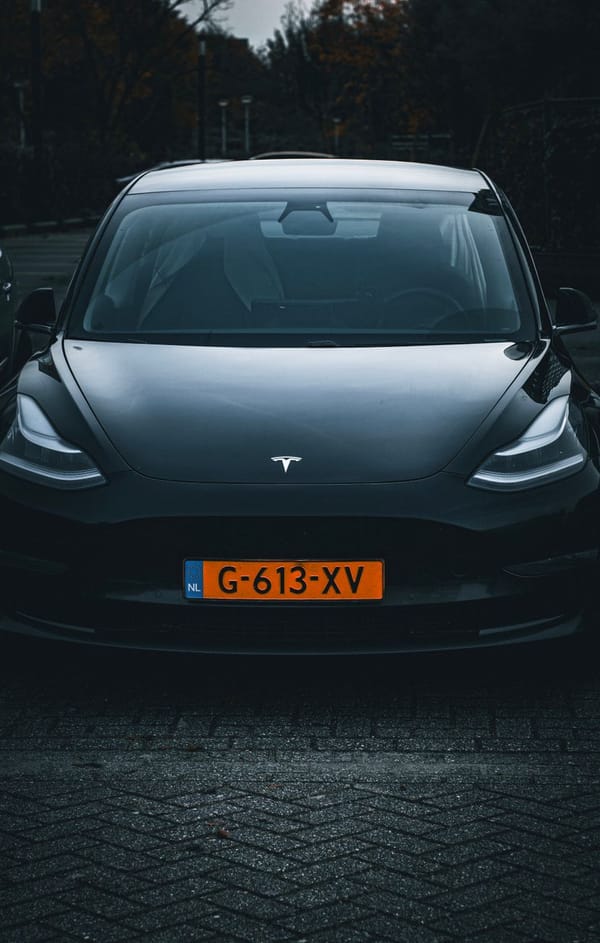
Space Tech
Tesla Driver Charged in Fatal Crash After Overriding Autopilot: What the Data Reveals About Your Responsibility Behind the Wheel
A case unfolding in Harris County, Texas, is forcing a hard look at how we use advanced driver assistance systems. Michael Butler, a 34-year-old DoorDash driver, now faces manslaughter charges after his Tesla crashed into a home on June 5, 2026, killing 47-year-old Maria Avila.…
Read More...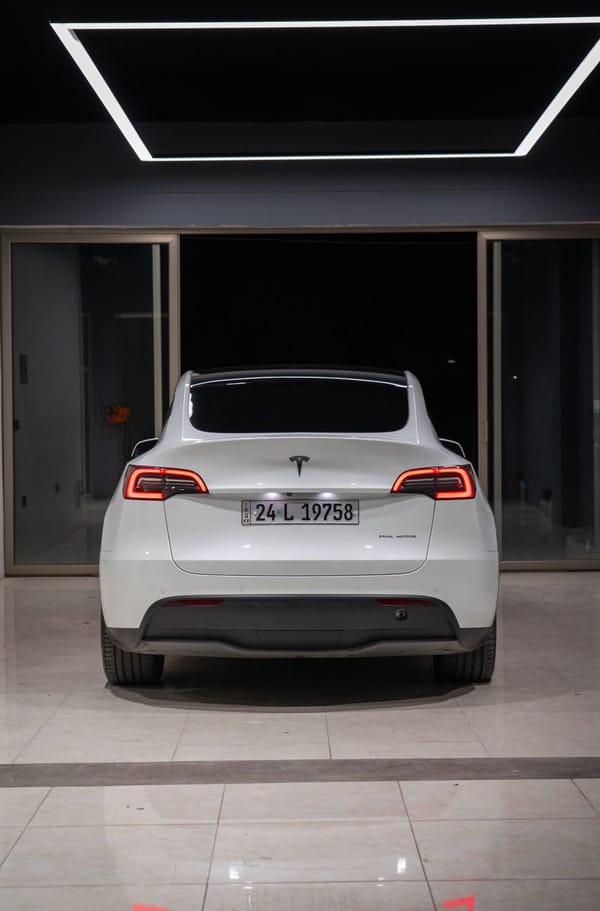
Space Tech
Tesla Model Y L Launch Series Hits U.S. Market: 325 Miles, 4.4 Seconds, and a Surprise for Families
Tesla just dropped something big in the U.S. and Puerto Rico, and it’s not another Cybertruck tease. The Model Y L Launch Series is here, priced at $61,990, and it’s already turning heads. Why? Because this isn’t just a stretched Model Y. It’s Tesla’s answer to everyone who’s be…
Read More...
Space Tech
Tesla’s Optimus Robot Factory Goes Live: 1 Million Humanoid Robots Per Year from Fremont Line
What happens when one of the world’s most iconic car factories stops building cars and starts building robots? You get a front-row seat to the next industrial revolution. Tesla just flipped the switch on its Optimus humanoid robot production line at the historic Fremont plant, a…
Read More...
Space Tech
Tesla’s Cybercab Hits Austin Streets: No Steering Wheel, No Driver, Just AI
What happens when you remove the steering wheel, pedals, and driver from a car and let artificial intelligence take the wheel? Tesla is finding out right now on the streets of Austin, Texas. The company has quietly launched real world testing of its first production ready Cyberc…
Read More...
Space Tech
SpaceX’s Starmind: 1 Million AI Satellites and a $300 Billion T-Mobile Deal That Could Rewrite Global Connectivity
Elon Musk has never been one to follow the crowd. While the internet buzzes with rumors of a Tesla smartphone, the real story unfolding at SpaceX is far bigger and far stranger. It’s not about a device in your pocket. It’s about turning the sky itself into a thinking machine. Me…
Read More...