
Tesla Driver Charged in Fatal Crash After Overriding Autopilot: What the Data Reveals About Your Responsibility Behind the Wheel
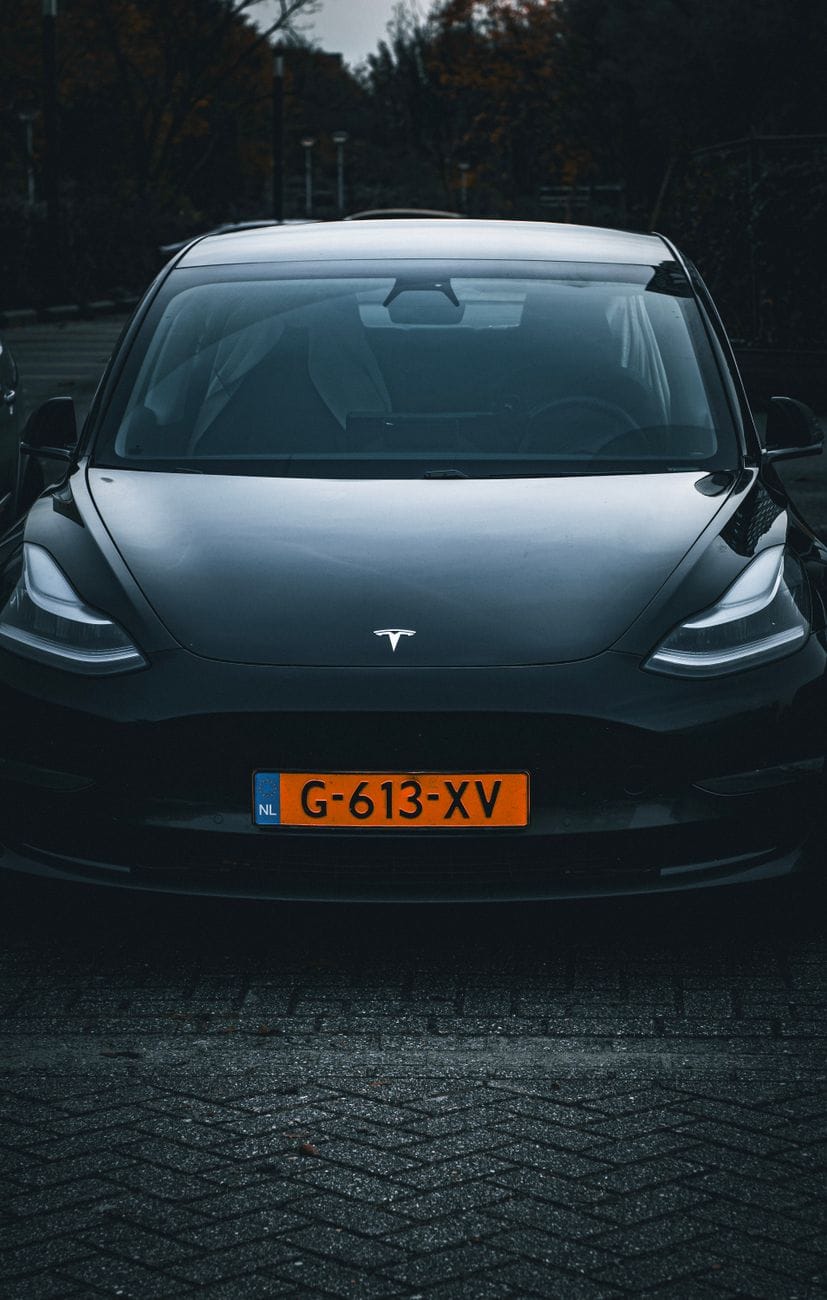
Harris County, Texas, MMN Correspondent: A case unfolding in Harris County, Texas, is forcing a hard look at how we use advanced driver assistance systems. Michael Butler, a 34-year-old DoorDash driver, now faces manslaughter charges after his Tesla crashed into a home on June 5, 2026, killing 47-year-old Maria Avila. Butler initially pointed fingers at the vehicle’s Full Self-Driving (FSD) mode, but newly released forensic and digital evidence tells a different story.
Prosecutors from the Harris County District Attorney’s Office have filed charging documents that detail what happened in the moments before the crash. Butler had been making deliveries that evening, and the Tesla’s onboard data shows the FSD system worked without issue during earlier trips. But as he approached a left turn near a residential curb, something changed. He pressed the accelerator pedal all the way down, overriding the system’s automatic speed control. The car surged forward, reaching speeds far beyond safe limits, and no brake input was recorded in the final minute before impact. The vehicle did not steer away from the house.
What led Butler to take that action? Investigators found clues on his smartphone. The Harris County Digital Analysis Office (HDAO) uncovered Google searches from the days before the crash, all expressing frustration with the FSD system. Queries included “Tesla FSD not aggressive enough 2026 model,” “FSD too timid for city driving,” and “Why is FSD not reactive enough?” These searches suggest a pattern of dissatisfaction and a desire to push the system beyond its designed boundaries.
The charging documents state clearly: “No mechanical error was detected or recorded by the vehicle prior to impact. The system functioned as designed, but the driver’s actions directly caused the escalation in speed and loss of control.” This finding shifts the focus from the technology to the human operator who chose to override it.
The victim’s family, the Avilas, plans to pursue civil litigation seeking damages exceeding $1 million. Their legal team argues the crash was preventable and that Butler’s repeated attempts to force more aggressive driving behaviors created a dangerous situation that ended in tragedy.
This case highlights a growing challenge in the automotive world: the gap between what these systems can do and how drivers use them. Tesla’s Full Self-Driving mode is designed to assist, not replace, the driver. Yet many users still struggle with that distinction. According to the National Highway Traffic Safety Administration (NHTSA), over 80% of crashes involving vehicles with advanced driver assistance features stem from driver inattention or misjudgment, often fueled by overconfidence in the system.
Regulators and industry experts are now calling for clearer user education, stricter activation protocols, and better monitoring systems. Some automakers are testing biometric sensors to track driver engagement, while others are introducing mandatory training modules before enabling higher-level autonomy features.
Interestingly, this tragedy comes during a strong period for Tesla. In Q2 2026, the company delivered 480,126 vehicles globally, a 25% year-over-year increase that surpassed Wall Street expectations. The surge is attributed to rising fuel prices, improved FSD adoption in select markets, strategic pricing, and a robust European recovery fueled by government incentives and corporate fleet electrification. But high-profile accidents like this one serve as reminders that technological progress must be paired with responsible use.
Tesla continues to expand its autonomous ecosystem. On July 3, 2026, the company launched its Robotaxi service in Miami, Florida, the third state to join the network after Texas and California. The Miami rollout focuses on high-traffic corridors including Miami International Airport, SR 826, and US 41, targeting tourists and business travelers. This expansion reflects Tesla’s long-term vision for fully autonomous mobility, even as it faces scrutiny over safety and accountability.
A separate incident involving a Tesla Semi on June 28, 2026, in Nevada marked the first known fatality involving the electric Class 8 truck. Early reports suggest the truck driver may have fallen asleep at the wheel, raising questions about fatigue detection systems in commercial EVs. The cause remains under investigation.
As Michael Butler’s case moves forward, with his next court date scheduled for Monday, July 7, 2026, it stands as a pivotal moment in autonomous vehicle regulation. It reinforces a simple truth: no matter how advanced the software, the ultimate responsibility for safe operation rests with the person behind the wheel.
The intersection of innovation, safety, and accountability will shape the future of transportation. This event is not just a cautionary tale but a catalyst for deeper reforms in how we design, regulate, and educate users about the next generation of intelligent vehicles.
Related in Space Tech
Space Tech
Elon Musk Admits He Was Wrong About Anthropic, Tesla’s Self-Driving Nears an Inflection Point, and NASA’s Roman Telescope Prepares for Launch: Three Stories Defining 2026
On a Tuesday morning in June, Elon Musk did something rare in the world of tech billionaires. He admitted he was wrong. Not in a quiet, buried-in-a-footnote kind of way, but publicly, on his own platform X. The target of his reversal? Anthropic, the AI company he had dismissed j…
Read More...
Space Tech
Miami Now Has Driverless Taxis Operating Without Any Human Oversight: Here’s What Tesla’s Robotaxi Launch Means for You
Imagine hailing a taxi in Miami, climbing in, and realizing there’s no one behind the wheel. No safety driver. No remote monitor. Just you, the car, and the open road. That scenario is no longer a test or a demo. It’s live. Tesla has officially launched its Robotaxi service in M…
Read More...
Space Tech
Your Tesla Will Soon Learn Your Neighborhood by Voice: 3 Ways FSD Remembers Every Detail
Tesla is quietly rolling out a feature that could change how you think about your car. Instead of relying on GPS pins that sometimes point to the wrong house, your Full Self-Driving system will soon learn your street the way a local does. You speak. It remembers. No maps require…
Read More...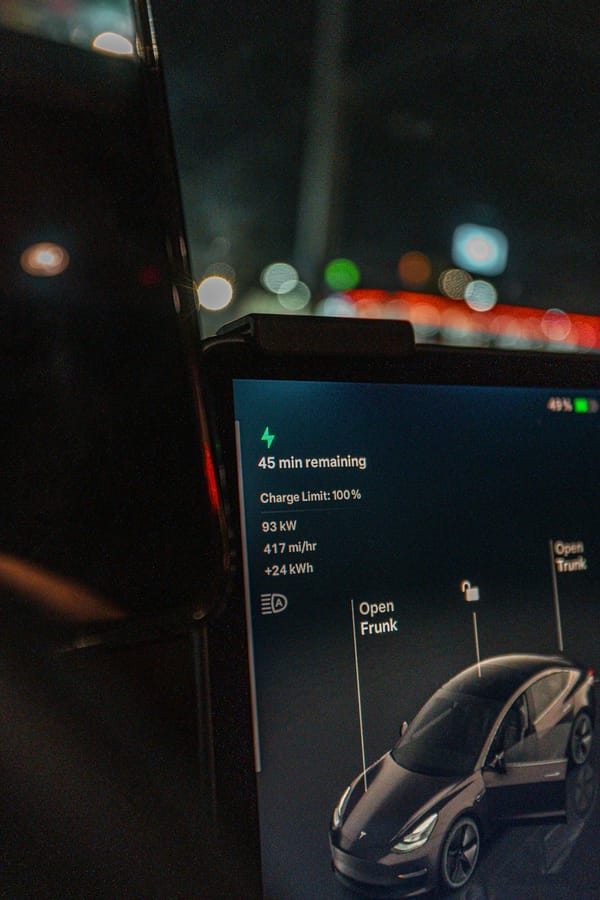
Space Tech
Tesla App Update 2026: How Owners Now Manage a Robotaxi Fleet from Their Phone
Imagine glancing at your phone and seeing your car driving itself across town, earning money while you sip coffee at home. That’s not a sci-fi fantasy anymore. A recent Tesla app update, quietly rolled out in late June 2026 as part of software version 4.58.5, has turned every ow…
Read More...
Space Tech
SpaceXAI Is Here: How a $1.25 Trillion Merger Is Building Orbital Data Centers for the Next AI Era
When Elon Musk announced in May 2026 that xAI would vanish as a standalone company, most people assumed it was just another corporate reshuffle. They were wrong. What actually happened was the quiet birth of something far bigger: SpaceXAI, a single entity that now controls rocke…
Read More...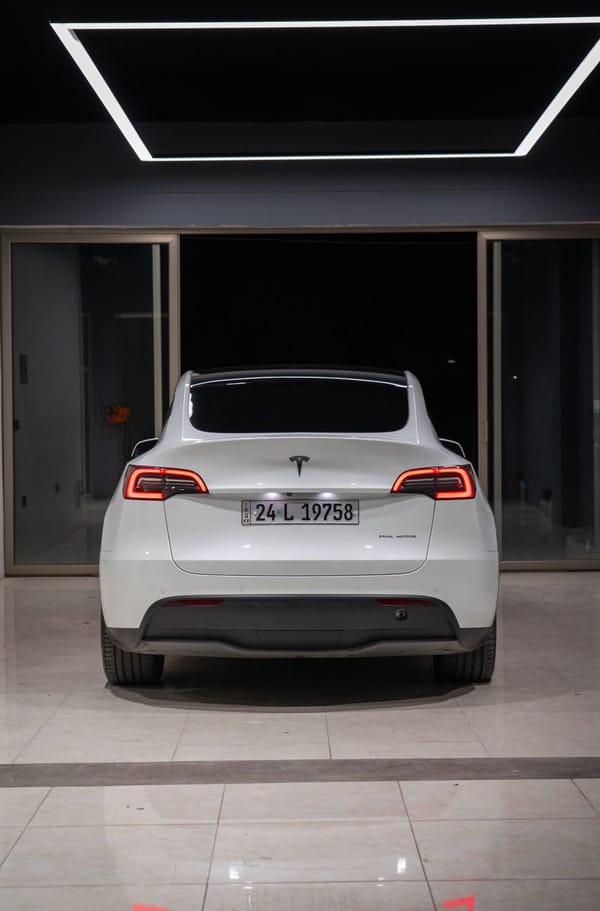
Space Tech
Tesla Model Y L Launch Series Hits U.S. Market: 325 Miles, 4.4 Seconds, and a Surprise for Families
Tesla just dropped something big in the U.S. and Puerto Rico, and it’s not another Cybertruck tease. The Model Y L Launch Series is here, priced at $61,990, and it’s already turning heads. Why? Because this isn’t just a stretched Model Y. It’s Tesla’s answer to everyone who’s be…
Read More...
Space Tech
Tesla’s Optimus Robot Factory Goes Live: 1 Million Humanoid Robots Per Year from Fremont Line
What happens when one of the world’s most iconic car factories stops building cars and starts building robots? You get a front-row seat to the next industrial revolution. Tesla just flipped the switch on its Optimus humanoid robot production line at the historic Fremont plant, a…
Read More...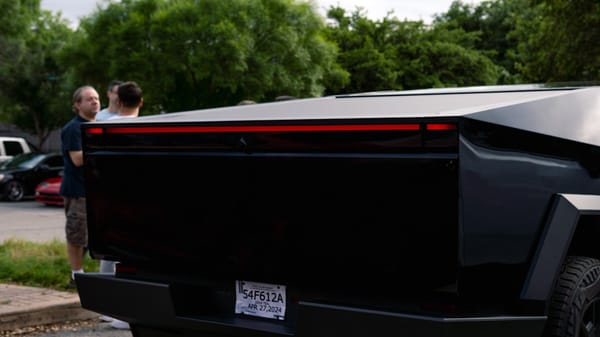
Space Tech
Tesla’s Cybercab Hits Austin Streets: No Steering Wheel, No Driver, Just AI
What happens when you remove the steering wheel, pedals, and driver from a car and let artificial intelligence take the wheel? Tesla is finding out right now on the streets of Austin, Texas. The company has quietly launched real world testing of its first production ready Cyberc…
Read More...
Space Tech
SpaceX’s Starmind: 1 Million AI Satellites and a $300 Billion T-Mobile Deal That Could Rewrite Global Connectivity
Elon Musk has never been one to follow the crowd. While the internet buzzes with rumors of a Tesla smartphone, the real story unfolding at SpaceX is far bigger and far stranger. It’s not about a device in your pocket. It’s about turning the sky itself into a thinking machine. Me…
Read More...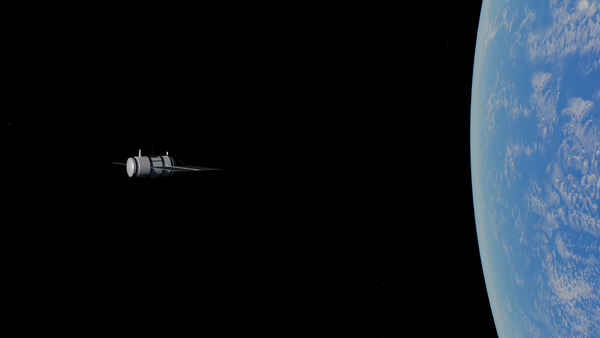
Space Tech
NASA’s First Robot Rescue: Can Lift Save the Swift Telescope Before It Burns Up?
What happens when a $300 million space telescope starts falling back to Earth? If you’re NASA, you send a robot to catch it. That’s exactly what’s happening this week, and it’s the kind of mission that sounds like a movie plot but is very, very real. The Swift Gamma-Ray Burst Ob…
Read More...