
Tesla’s Optimus Robot Factory Goes Live: 1 Million Humanoid Robots Per Year from Fremont Line
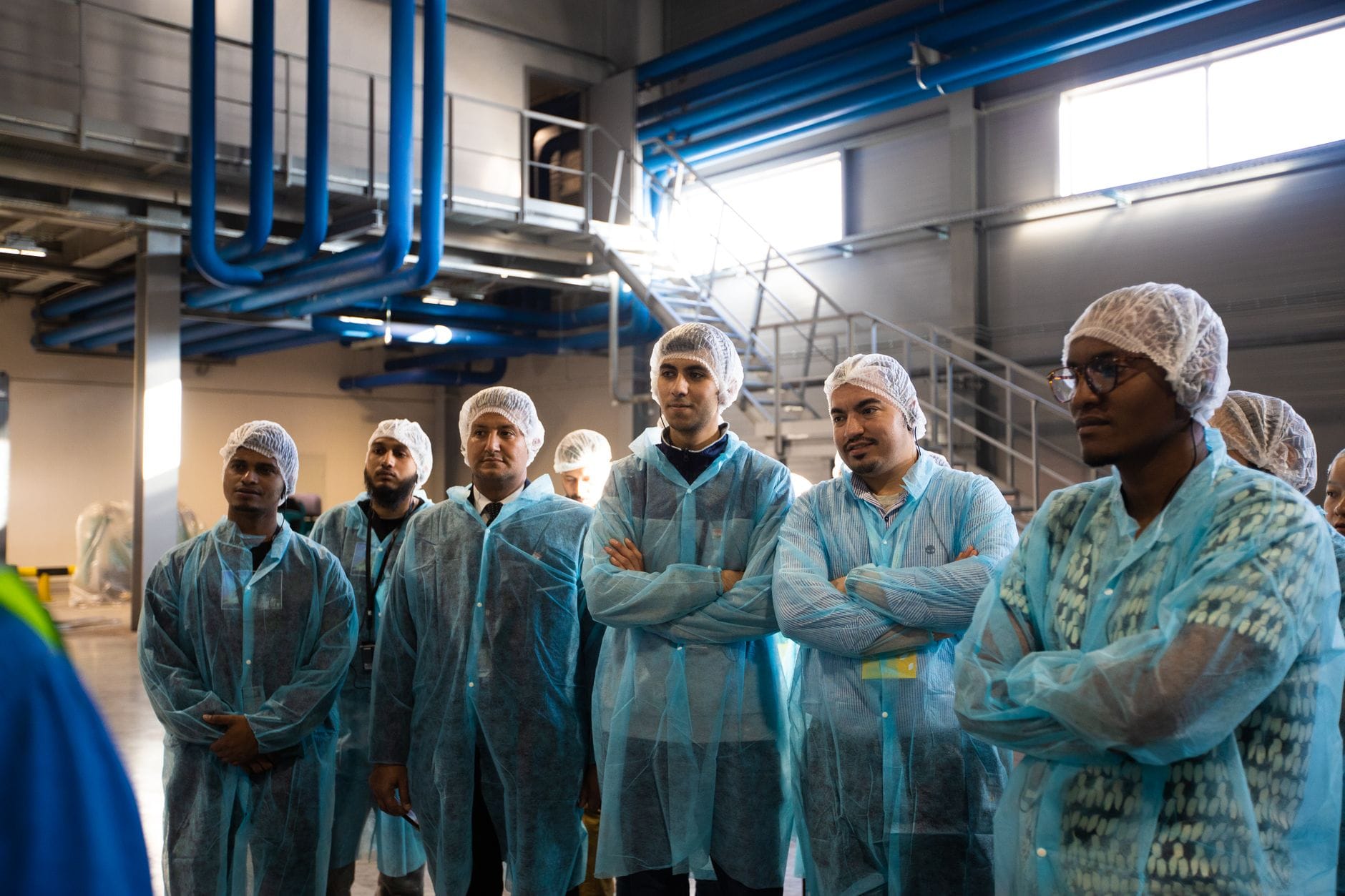
Fremont, California, MMN Correspondent: What happens when one of the world’s most iconic car factories stops building cars and starts building robots? You get a front-row seat to the next industrial revolution. Tesla just flipped the switch on its Optimus humanoid robot production line at the historic Fremont plant, and the implications stretch far beyond the factory floor.
Elon Musk shared a photo on social media standing among engineers and technicians, arms crossed, as workers in hard hats moved along a brand-new assembly line. That image isn’t just about new machinery. It signals a fundamental shift in what this factory—and this company—is becoming. Tesla is no longer just an electric vehicle maker. It’s now a robotics manufacturer, and the Fremont plant is ground zero.
The factory itself has a rich backstory. Built in 1962 as part of the NUMMI joint venture between Toyota and General Motors, it became Tesla’s home in 2010. For over a decade, it produced the Model S and Model X, premium vehicles that were technological marvels but relatively low-volume, with about 30,000 units combined per year. Over their lifetimes, those two models accounted for roughly 610,000 cars. That’s impressive, but it’s a fraction of what the mass-market Model 3 and Model Y lines still churn out today.
By early May 2026, the last Model S and Model X rolled off the line. Instead of retooling for another car, Tesla made a bold bet: convert the entire S/X production area into a dedicated facility for the third-generation Optimus robot, or Gen 3. The transition took just four months. Crews dismantled legacy vehicle assembly systems and installed a modular production setup with specialized sub-lines for actuators, batteries, sensors, and control systems sourced from Germany and other advanced manufacturing hubs.
Musk called the timeline “insanely fast,” and he’s not wrong. No other automaker or industrial firm could have pulled off a conversion this quickly. The secret sauce? Vertical integration, deep AI expertise, and a culture that treats speed as a competitive weapon. The Gen 3 Optimus robots are designed to handle dangerous, repetitive, or monotonous tasks—starting inside Tesla’s own factories, then expanding to warehouses, construction sites, and eventually homes.
Each Optimus robot contains roughly 10,000 unique parts, making it one of the most complex consumer-facing machines ever built. That complexity means production will ramp slowly at first, with output scaling as software, hardware, and manufacturing processes mature. The Fremont line targets a long-term annual capacity of 1 million units. And that’s just the beginning. A second, much larger Optimus factory is under construction at Giga Texas, slated for volume production by summer 2027 with an eye-popping annual capacity of 10 million units.
The journey to this moment started in August 2021, when Tesla first unveiled the project—then called the Tesla Bot—at its inaugural AI Day. A concept video showed a human-like figure demonstrating basic mobility and interaction, powered by the same AI architecture used in Full Self-Driving technology. By 2022, early prototypes could walk and move their arms. In 2023, progress accelerated with videos showing the robot sorting colored blocks, maintaining precise limb coordination, and even holding a pose resembling the Star Wars character Yoda.
From 2024 through early 2025, Tesla shifted focus toward real-world integration. Factory footage revealed Optimus navigating workspaces, picking up battery cells, and interacting with tools. This wasn’t just a demo anymore. In January 2026, reports emerged that over 1,000 Gen 3 units were already operational inside Tesla facilities, performing real-time learning and training missions. That data collection is critical for refining the AI algorithms that govern movement, perception, and decision-making.
April 2026 marked a turning point when Musk confirmed that production would begin in late July or August 2026. The official Gen 3 reveal was pushed closer to the launch date, signaling that Tesla prioritized production readiness over marketing spectacle. The July 1, 2026, photo confirms that the line is now live and actively producing.
Tesla’s strategy for Optimus leverages its existing strengths: mastery of electric drivetrains, battery technology, AI development, and large-scale automated manufacturing. The goal isn’t just to build robots. It’s to create a self-sustaining ecosystem where robots improve themselves through continuous learning, all while reducing labor costs and increasing efficiency across industries.
Beyond Tesla’s internal use, the company envisions Optimus becoming a cornerstone of future smart factories, logistics networks, and even household assistance. With the U.S. labor shortage and rising operational costs, autonomous robots represent a transformative solution. If successful, Tesla could redefine not only how products are made but also how humans interact with machines in daily life.
This transformation at Fremont symbolizes more than a change in product. It represents a new chapter in the history of American industry. From assembling luxury sedans to building intelligent machines capable of reshaping the workforce, Tesla is proving that the future of manufacturing is not just automated, but intelligent, adaptable, and scalable. The Optimus production line is no longer a vision. It’s a reality, and it’s just getting started.
The success of this initiative could set a precedent for other tech companies looking to enter robotics, while also raising important questions about automation ethics, job displacement, and AI oversight. Yet for now, the wheels are turning, the robots are learning, and the factory floor hums with the promise of a smarter, faster, and more efficient world.
Related in Space Tech
Space Tech
Elon Musk Admits He Was Wrong About Anthropic, Tesla’s Self-Driving Nears an Inflection Point, and NASA’s Roman Telescope Prepares for Launch: Three Stories Defining 2026
On a Tuesday morning in June, Elon Musk did something rare in the world of tech billionaires. He admitted he was wrong. Not in a quiet, buried-in-a-footnote kind of way, but publicly, on his own platform X. The target of his reversal? Anthropic, the AI company he had dismissed j…
Read More...
Space Tech
Miami Now Has Driverless Taxis Operating Without Any Human Oversight: Here’s What Tesla’s Robotaxi Launch Means for You
Imagine hailing a taxi in Miami, climbing in, and realizing there’s no one behind the wheel. No safety driver. No remote monitor. Just you, the car, and the open road. That scenario is no longer a test or a demo. It’s live. Tesla has officially launched its Robotaxi service in M…
Read More...
Space Tech
Your Tesla Will Soon Learn Your Neighborhood by Voice: 3 Ways FSD Remembers Every Detail
Tesla is quietly rolling out a feature that could change how you think about your car. Instead of relying on GPS pins that sometimes point to the wrong house, your Full Self-Driving system will soon learn your street the way a local does. You speak. It remembers. No maps require…
Read More...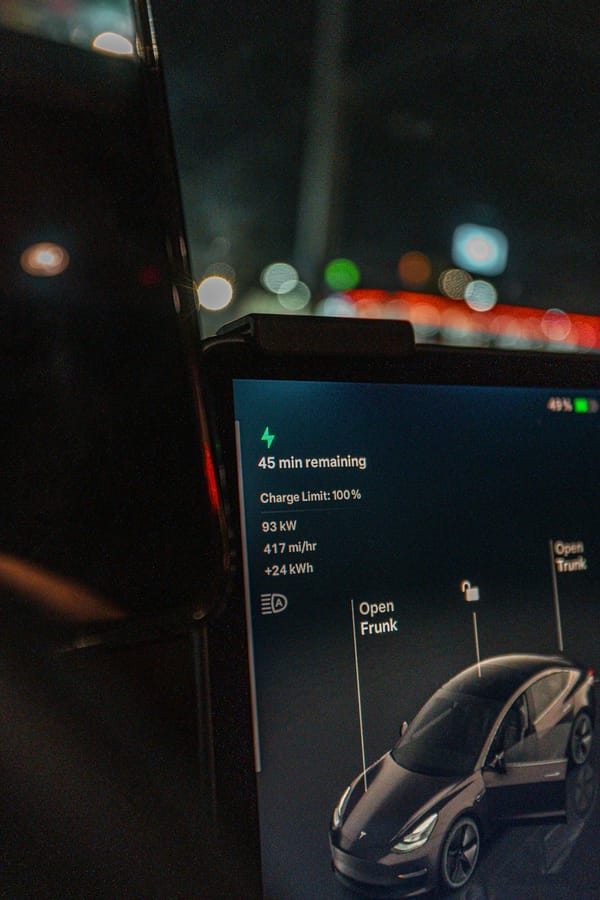
Space Tech
Tesla App Update 2026: How Owners Now Manage a Robotaxi Fleet from Their Phone
Imagine glancing at your phone and seeing your car driving itself across town, earning money while you sip coffee at home. That’s not a sci-fi fantasy anymore. A recent Tesla app update, quietly rolled out in late June 2026 as part of software version 4.58.5, has turned every ow…
Read More...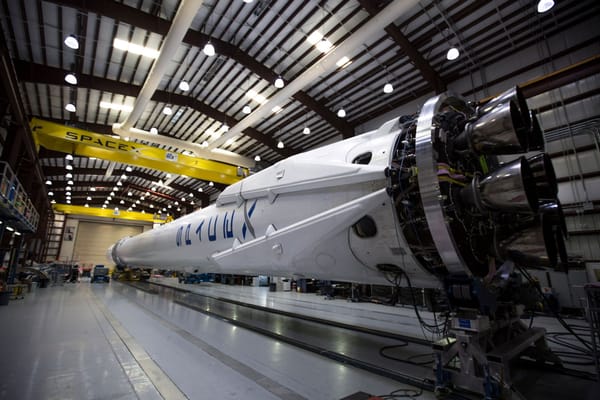
Space Tech
SpaceXAI Is Here: How a $1.25 Trillion Merger Is Building Orbital Data Centers for the Next AI Era
When Elon Musk announced in May 2026 that xAI would vanish as a standalone company, most people assumed it was just another corporate reshuffle. They were wrong. What actually happened was the quiet birth of something far bigger: SpaceXAI, a single entity that now controls rocke…
Read More...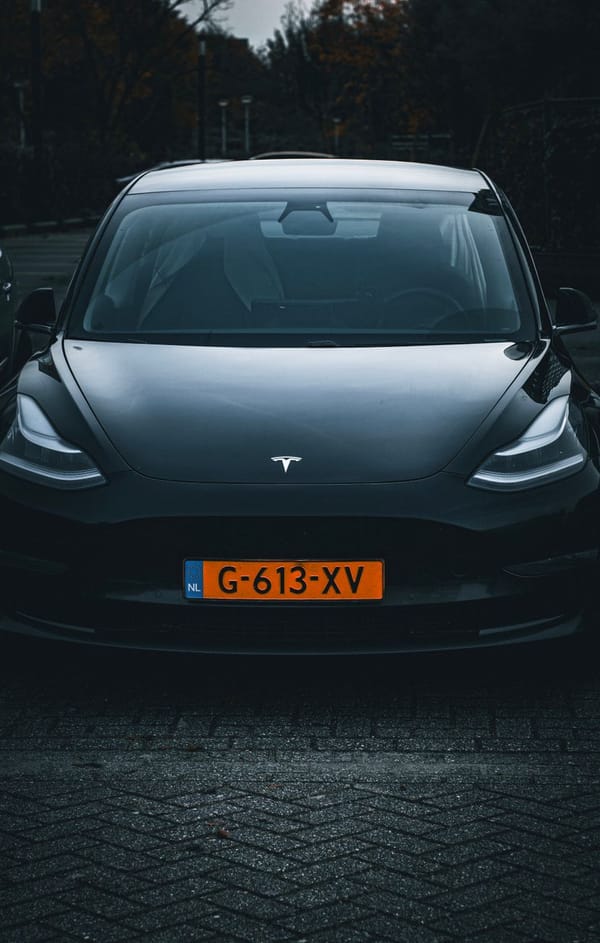
Space Tech
Tesla Driver Charged in Fatal Crash After Overriding Autopilot: What the Data Reveals About Your Responsibility Behind the Wheel
A case unfolding in Harris County, Texas, is forcing a hard look at how we use advanced driver assistance systems. Michael Butler, a 34-year-old DoorDash driver, now faces manslaughter charges after his Tesla crashed into a home on June 5, 2026, killing 47-year-old Maria Avila.…
Read More...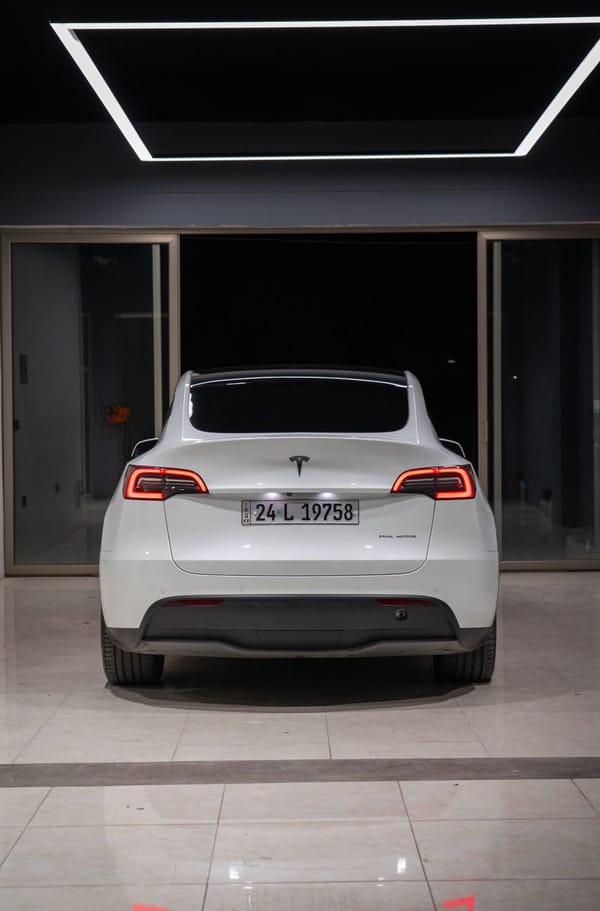
Space Tech
Tesla Model Y L Launch Series Hits U.S. Market: 325 Miles, 4.4 Seconds, and a Surprise for Families
Tesla just dropped something big in the U.S. and Puerto Rico, and it’s not another Cybertruck tease. The Model Y L Launch Series is here, priced at $61,990, and it’s already turning heads. Why? Because this isn’t just a stretched Model Y. It’s Tesla’s answer to everyone who’s be…
Read More...
Space Tech
Tesla’s Cybercab Hits Austin Streets: No Steering Wheel, No Driver, Just AI
What happens when you remove the steering wheel, pedals, and driver from a car and let artificial intelligence take the wheel? Tesla is finding out right now on the streets of Austin, Texas. The company has quietly launched real world testing of its first production ready Cyberc…
Read More...
Space Tech
SpaceX’s Starmind: 1 Million AI Satellites and a $300 Billion T-Mobile Deal That Could Rewrite Global Connectivity
Elon Musk has never been one to follow the crowd. While the internet buzzes with rumors of a Tesla smartphone, the real story unfolding at SpaceX is far bigger and far stranger. It’s not about a device in your pocket. It’s about turning the sky itself into a thinking machine. Me…
Read More...
Space Tech
NASA’s First Robot Rescue: Can Lift Save the Swift Telescope Before It Burns Up?
What happens when a $300 million space telescope starts falling back to Earth? If you’re NASA, you send a robot to catch it. That’s exactly what’s happening this week, and it’s the kind of mission that sounds like a movie plot but is very, very real. The Swift Gamma-Ray Burst Ob…
Read More...