
Tesla’s Cybercab Hits Austin Streets: No Steering Wheel, No Driver, Just AI
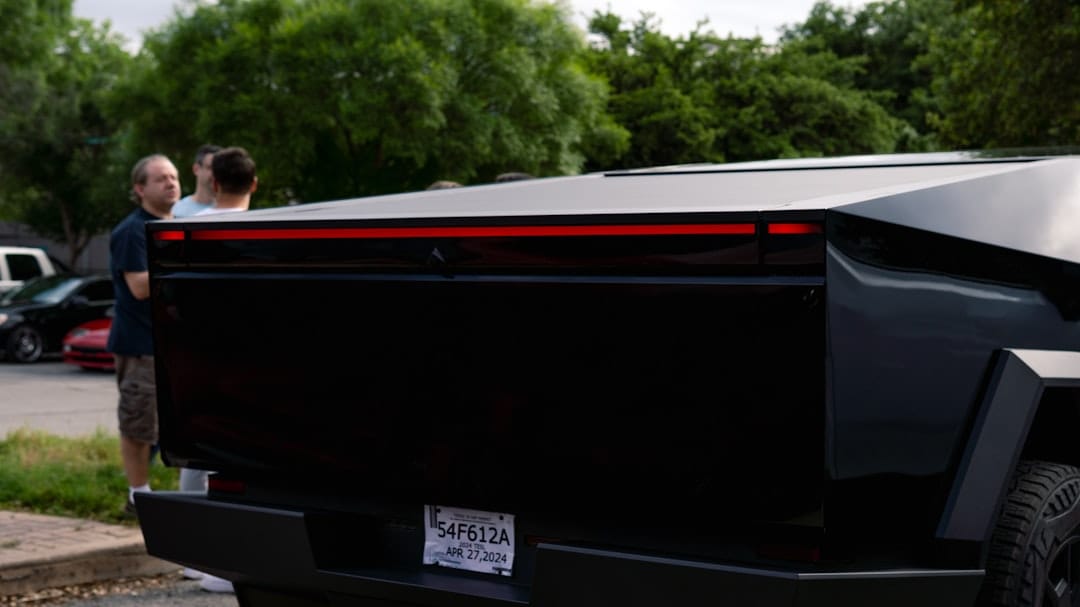
Austin, Texas, MMN Correspondent: What happens when you remove the steering wheel, pedals, and driver from a car and let artificial intelligence take the wheel? Tesla is finding out right now on the streets of Austin, Texas. The company has quietly launched real world testing of its first production ready Cybercabs vehicles that have no manual controls at all. No steering wheel. No pedals. No human inside. Just pure autonomous motion.
This is not a concept or a prototype. These are production vehicles rolling through actual traffic, navigating intersections, construction zones, and unexpected road closures. Tesla’s Full Self Driving software is running the show, and engineers are watching closely to see how long the system can operate without any human intervention. The goal is simple: prove that a car can drive itself safely in complex urban environments.
Why Austin? The city offers a mix of dense downtown streets, suburban sprawl, and unpredictable weather conditions. It is the perfect proving ground for a vehicle that Tesla hopes will eventually operate as a robotaxi generating income for owners and expanding access to transportation. The Cybercab is designed from the ground up for Level 4 autonomy, meaning it can handle all driving tasks in specific conditions without a human backup.
Safety is built into every layer of the testing process. Emergency services have round the clock access to a dedicated Robotaxi Assistance line. If something goes wrong, Tesla can remotely redirect the vehicle using geofencing protocols, steering it away from hazards or guiding it to a safe stop. The company has also released a detailed emergency guide for first responders, explaining how to access the vehicle through rear and side panels since there are no traditional doors or controls.
Regulatory approval came in April 2026 when the U.S. Environmental Protection Agency granted the Cybercab a Certificate of Conformity. That cleared the vehicle for commercial use and signaled that Tesla had met federal safety and emissions standards. Shortly after, the company began applying special decals to the vehicles, marking their transition from test units to operational fleet members.
Public rides are not here yet, but speculation is growing. Some observers think Tesla could open the Cybercab to passengers within weeks. Internal sources suggest a more measured timeline, with the company prioritizing safety over speed. That cautious approach has already paid off in early pilot programs, where incident rates have remained impressively low.
The bigger picture is about transforming how we think about car ownership. Tesla envisions a future where your Cybercab earns money while you sleep. Owners can lease their vehicles to Tesla’s ride hailing network, turning a parked asset into a passive income stream. No driver needed. No maintenance worries. Just a tap on your phone to summon a ride or send your car out to work.
Meanwhile, Elon Musk is reportedly exploring ways to connect this autonomous ecosystem with satellite based internet. Analysts have floated the idea of SpaceX acquiring a major telecom provider like T Mobile to integrate Starlink with terrestrial networks. If that happens, the result could be a seamless global communications platform with no dead zones, enabling ultra reliable connectivity for autonomous vehicles and smart city infrastructure.
For now, the Cybercab testing in Austin is a quiet but significant step. Every mile driven without incident builds confidence. Every complex scenario navigated successfully brings the technology closer to mass adoption. The world is watching, and the day when a driverless cab arrives at your location with no steering wheel and no driver is closer than ever.
Related in Space Tech
Space Tech
Elon Musk Admits He Was Wrong About Anthropic, Tesla’s Self-Driving Nears an Inflection Point, and NASA’s Roman Telescope Prepares for Launch: Three Stories Defining 2026
On a Tuesday morning in June, Elon Musk did something rare in the world of tech billionaires. He admitted he was wrong. Not in a quiet, buried-in-a-footnote kind of way, but publicly, on his own platform X. The target of his reversal? Anthropic, the AI company he had dismissed j…
Read More...
Space Tech
Miami Now Has Driverless Taxis Operating Without Any Human Oversight: Here’s What Tesla’s Robotaxi Launch Means for You
Imagine hailing a taxi in Miami, climbing in, and realizing there’s no one behind the wheel. No safety driver. No remote monitor. Just you, the car, and the open road. That scenario is no longer a test or a demo. It’s live. Tesla has officially launched its Robotaxi service in M…
Read More...
Space Tech
Your Tesla Will Soon Learn Your Neighborhood by Voice: 3 Ways FSD Remembers Every Detail
Tesla is quietly rolling out a feature that could change how you think about your car. Instead of relying on GPS pins that sometimes point to the wrong house, your Full Self-Driving system will soon learn your street the way a local does. You speak. It remembers. No maps require…
Read More...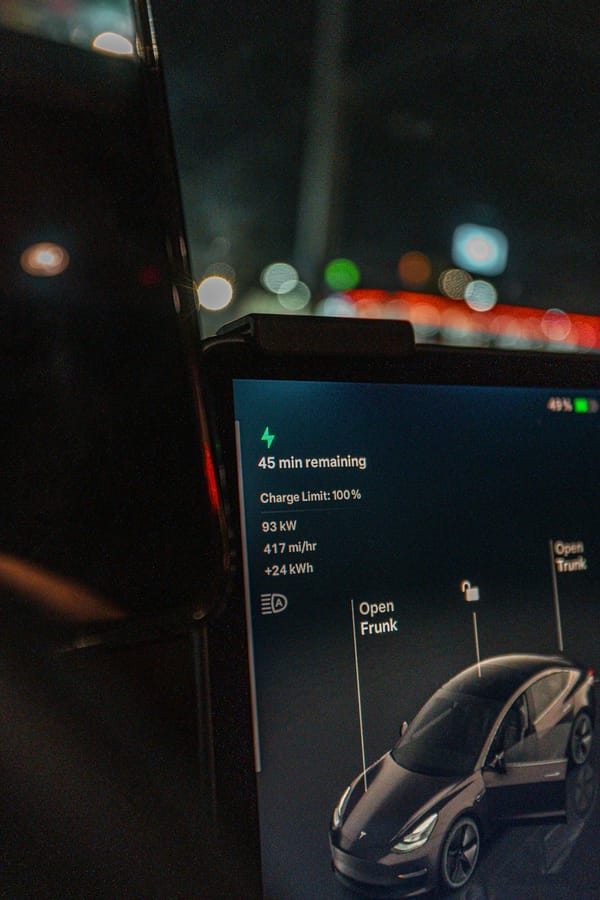
Space Tech
Tesla App Update 2026: How Owners Now Manage a Robotaxi Fleet from Their Phone
Imagine glancing at your phone and seeing your car driving itself across town, earning money while you sip coffee at home. That’s not a sci-fi fantasy anymore. A recent Tesla app update, quietly rolled out in late June 2026 as part of software version 4.58.5, has turned every ow…
Read More...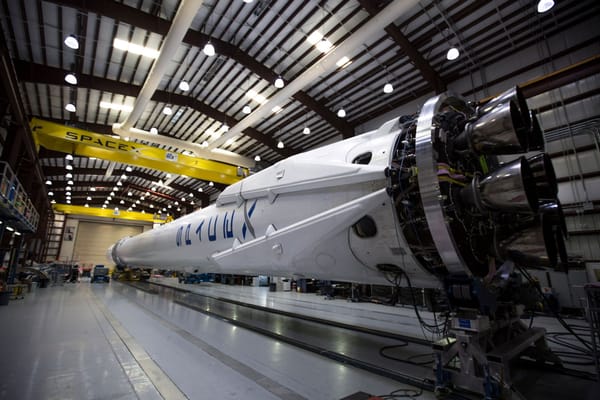
Space Tech
SpaceXAI Is Here: How a $1.25 Trillion Merger Is Building Orbital Data Centers for the Next AI Era
When Elon Musk announced in May 2026 that xAI would vanish as a standalone company, most people assumed it was just another corporate reshuffle. They were wrong. What actually happened was the quiet birth of something far bigger: SpaceXAI, a single entity that now controls rocke…
Read More...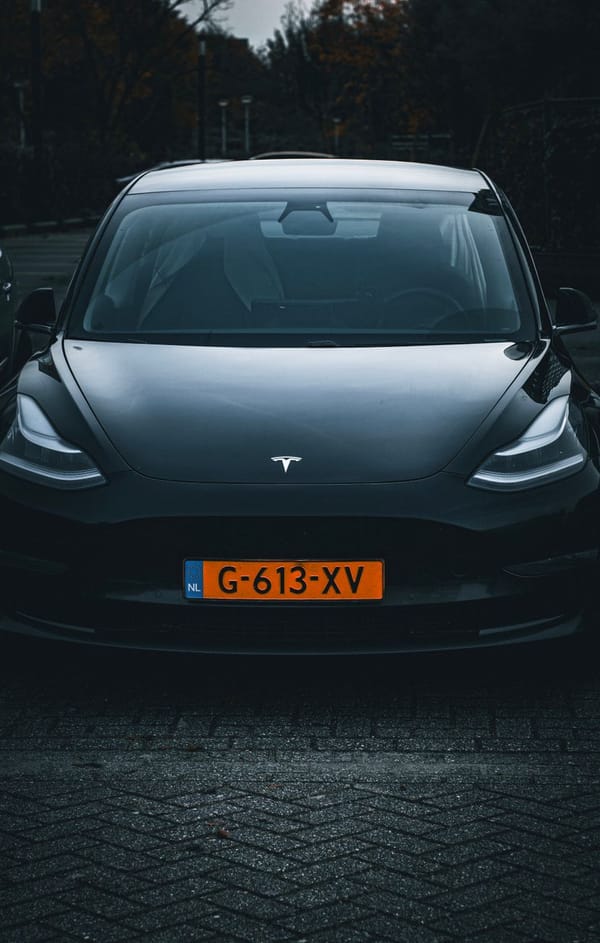
Space Tech
Tesla Driver Charged in Fatal Crash After Overriding Autopilot: What the Data Reveals About Your Responsibility Behind the Wheel
A case unfolding in Harris County, Texas, is forcing a hard look at how we use advanced driver assistance systems. Michael Butler, a 34-year-old DoorDash driver, now faces manslaughter charges after his Tesla crashed into a home on June 5, 2026, killing 47-year-old Maria Avila.…
Read More...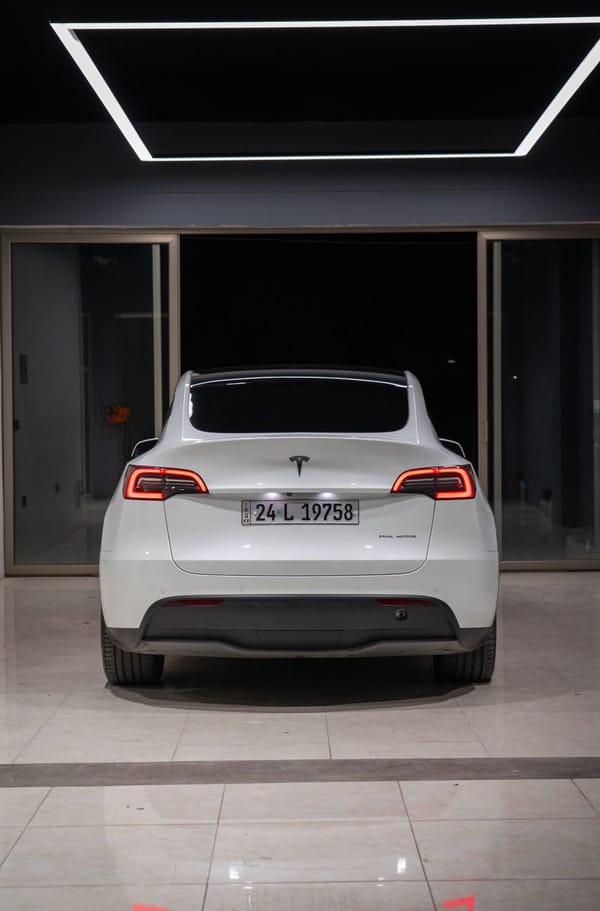
Space Tech
Tesla Model Y L Launch Series Hits U.S. Market: 325 Miles, 4.4 Seconds, and a Surprise for Families
Tesla just dropped something big in the U.S. and Puerto Rico, and it’s not another Cybertruck tease. The Model Y L Launch Series is here, priced at $61,990, and it’s already turning heads. Why? Because this isn’t just a stretched Model Y. It’s Tesla’s answer to everyone who’s be…
Read More...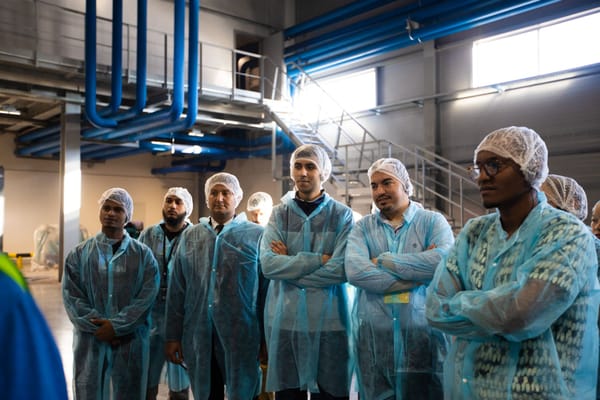
Space Tech
Tesla’s Optimus Robot Factory Goes Live: 1 Million Humanoid Robots Per Year from Fremont Line
What happens when one of the world’s most iconic car factories stops building cars and starts building robots? You get a front-row seat to the next industrial revolution. Tesla just flipped the switch on its Optimus humanoid robot production line at the historic Fremont plant, a…
Read More...
Space Tech
SpaceX’s Starmind: 1 Million AI Satellites and a $300 Billion T-Mobile Deal That Could Rewrite Global Connectivity
Elon Musk has never been one to follow the crowd. While the internet buzzes with rumors of a Tesla smartphone, the real story unfolding at SpaceX is far bigger and far stranger. It’s not about a device in your pocket. It’s about turning the sky itself into a thinking machine. Me…
Read More...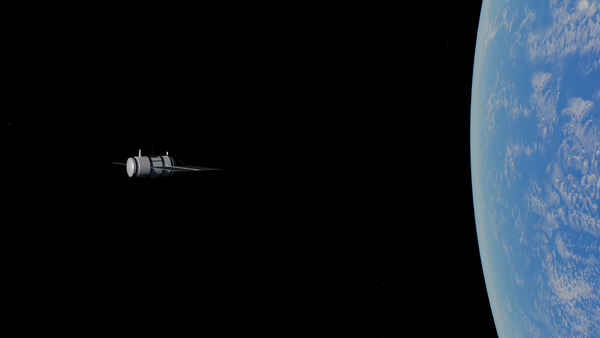
Space Tech
NASA’s First Robot Rescue: Can Lift Save the Swift Telescope Before It Burns Up?
What happens when a $300 million space telescope starts falling back to Earth? If you’re NASA, you send a robot to catch it. That’s exactly what’s happening this week, and it’s the kind of mission that sounds like a movie plot but is very, very real. The Swift Gamma-Ray Burst Ob…
Read More...