
7 Ways Tesla’s New AI Will Remember Your Driving Preferences and Cut Interventions by 80%
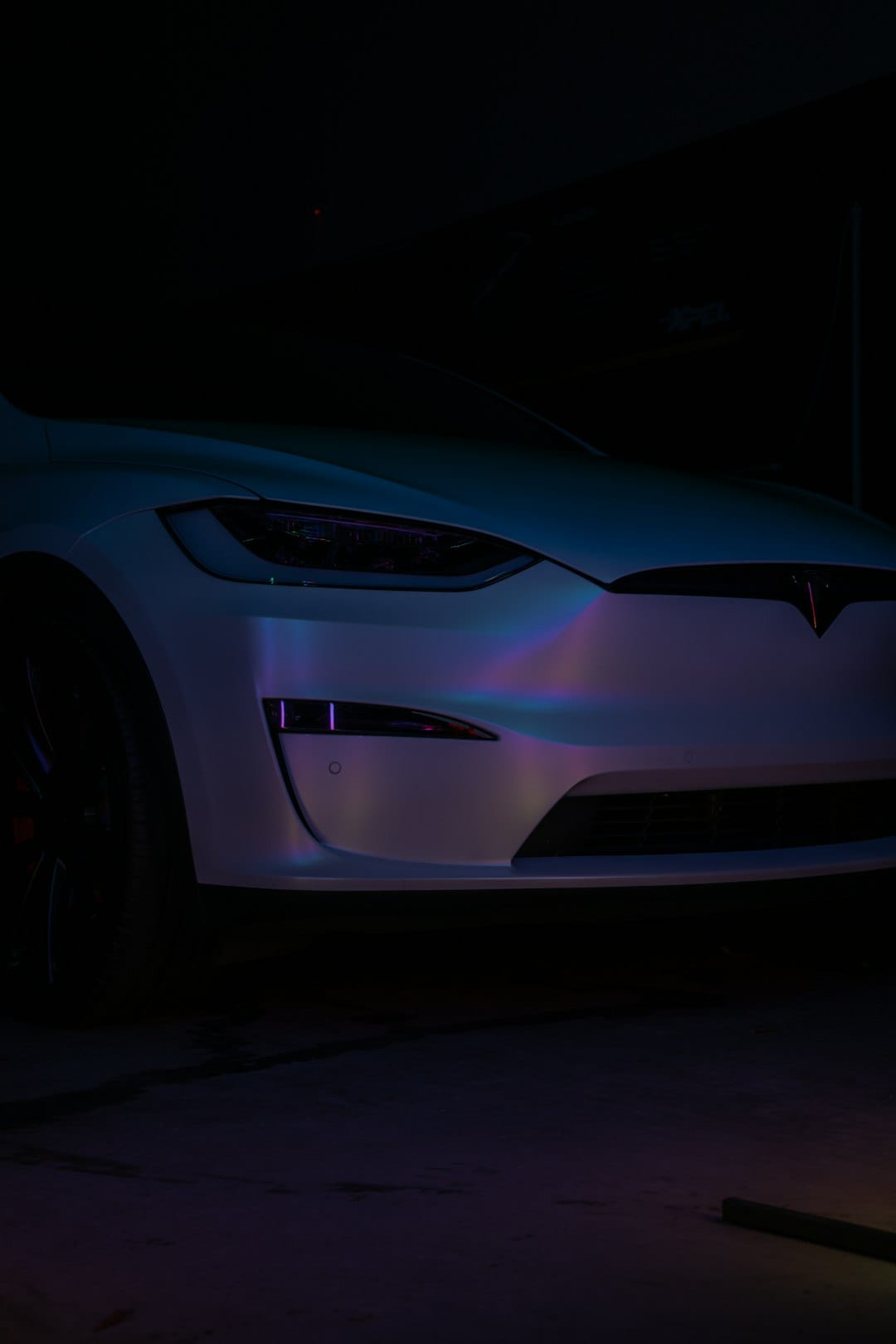
Hollywood, California, MMN Correspondent: Elon Musk just dropped a quiet bombshell that could change how you interact with your Tesla forever. Instead of forcing every driver to follow the same rigid rules, the company’s Full Self-Driving system is about to get a memory. A personal one. One that learns your habits, your quirks, and your preferred driving style.
Here’s what happened. A Tesla owner named Whole Mars posted on X that his car kept ignoring his manually enabled settings, like using the carpool lane. Musk replied with a simple but powerful statement: “The car will start to remember your specific interventions and match each person’s individual preferences.” That one sentence hints at a much bigger shift in how autonomous systems are built.
Think about the last time you disengaged FSD. Was it because the car did something unsafe? Probably not. More likely, it did something you just didn’t like. Maybe it pulled out of the HOV lane too early. Maybe it camped in the left lane, which is actually illegal in over 30 states. These small frustrations add up. They break trust. And they keep you from letting the car take over completely.
By learning your preferences, Tesla aims to remove those friction points. The car won’t just drive. It will drive like you. That means fewer manual overrides, a smoother ride, and a faster path to full autonomy. The system already improves over time at specific intersections, like those tricky “Except Right Turn” stop signs common in Pennsylvania. Now it will apply that same learning to your personal driving style.
Parking is another big piece of the puzzle. Musk says parking is currently the number one reason drivers intervene. The car can park just fine, but it often doesn’t park the way you would. It might choose the wrong driveway, back in when you prefer to pull forward, or start the maneuver too early. With the new update, the AI will learn your preferred parking style, including whether you like to back in or pull in, and even remember your home driveway or frequent destinations.
This isn’t just about convenience. It’s about building a system that feels intuitive. A 2025 survey by the Consumer Technology Association found that 74% of people said personalized driving behavior was a top factor in trusting self-driving cars. Tesla is listening. The company is moving from a one-size-fits-all approach to something much more human.
And the vision goes beyond driving. Imagine your Tesla pulling up to a restaurant, placing your food order through the touchscreen, and having a meal ready when you arrive. That concept is already being tested at the Tesla Diner in Hollywood, which celebrated its first anniversary on July 21, 2026. The event featured Optimus robots, roller-skating servers, and a limited-edition hat signed by Chief Designer Franz von Holzhausen. It’s a prototype for a future where robotaxis become mobile service hubs, delivering not just passengers but also goods and experiences without any human interaction.
Musk’s recent moves also show growing confidence in SpaceX. While the company faces market pressure, his direct engagement with investors, including warnings to short sellers, signals a strategic effort to reinforce belief in the innovation pipeline. The bigger picture is clear: space technology, electric transportation, and artificial intelligence are converging into a unified ecosystem of autonomous systems.
As Tesla rolls out FSD v14.3.5 and prepares updates focused on preference memory, the goal is simple. Fewer interruptions. Greater efficiency. A smoother transition to a world where vehicles drive themselves not just technically, but personally. The next wave of innovation isn’t about raw speed or battery range. It’s about understanding the human behind the wheel.
Related in Space Tech
Space Tech
August 2026 in the Faroe Islands: A Rare Solar Eclipse Meets the Perseid Meteor Shower
Imagine standing on a remote cliff edge, the North Atlantic wind brushing your face, as the sky darkens in the middle of the day. Then, just hours later, lying back under a star-filled canopy to watch hundreds of shooting stars streak across the heavens. This is not a fantasy. T…
Read More...
Space Tech
Tesla Stock Crashes 14.5% After Earnings: What the $140 Billion Wipeout Means for the EV Giant's Future
On July 23, 2026, Tesla shares took a nosedive that erased more than $140 billion in market value in a single day. The stock closed near $320 after opening around $374, marking a 14.5% drop that ranks among the steepest in the company's history since its 2010 IPO. But here's the…
Read More...
Space Tech
Tesla Q2 2026: Revenue Hits $27.1B, But EPS Misses—What’s Driving the $1.8B Bet on Robotaxis and AI?
Tesla just dropped its Q2 2026 numbers, and they’re the kind that make you lean in. Revenue hit $27.1 billion, beating Wall Street’s $26.4 billion forecast. But here’s the twist: earnings per share came in at $0.49, just shy of the $0.53 analysts expected. So what’s really going…
Read More...
Space Tech
Tesla’s Robotaxi Network Just Got Bigger: SFO Access, Starlink Fleet Control, and Two New Florida Cities – What It Means for Your Next Ride
If you’ve been watching Tesla’s autonomous ride-hailing rollout, you know the company has been moving fast. But on July 21, 2026, they made a series of moves that feel less like incremental steps and more like a full sprint. We’re talking airport access in the Bay Area, a massiv…
Read More...
Space Tech
Your Tesla Will Soon Know You Better Than You Know Yourself: Here’s How AI Learns Your Driving Habits
Imagine stepping into your car after a long day, and before you even touch a button, the seat slides into your perfect position, your favorite playlist starts playing, the cabin temperature adjusts to your liking, and the navigation system already knows you want to stop for coff…
Read More...
Space Tech
How Tesla Entered Two New Countries in One Week and What It Means for EV Buyers in Latvia and Uruguay
What does it take for a car company to launch in two different continents within seven days? For Tesla, the answer involves a mix of strategic planning, local partnerships, and a deep understanding of what makes each market tick. This week, the company officially opened its door…
Read More...
Space Tech
Elon Musk Just Spent $1 Billion on Energy. Here’s Why Your AI Future Depends on It.
Elon Musk just made a quiet move that could reshape how artificial intelligence gets its power. In early June 2026, a $1.04 billion all-cash acquisition was finalized for an energy company based in Nevada. The deal was filed under a shell corporation in Delaware, and no press re…
Read More...
Space Tech
Inside Elon Musk’s Texas Ranch: A 40-Year Innovation Timeline from Blastar to Cybercab
Deep in the rolling hills of Bastrop County, Texas, something unusual is taking shape. Across thousands of acres of riverfront land, Elon Musk is quietly building what could become the most ambitious personal museum of technology ever conceived. It’s not a typical collection of…
Read More...
Space Tech
Lucid Stock Crashes 40%: Is the EV Maker Really Heading for Bankruptcy? Here’s What You Need to Know
If you’ve been watching the EV market lately, you probably caught the headlines: Lucid Motors’ stock took a brutal 40% dive in a single July trading session. That kind of drop doesn’t just rattle investors—it sparks whispers of bankruptcy across forums and trading floors. But be…
Read More...
Space Tech
Can Tesla’s Semi Survive Chicago’s Brutal Winter? A 500-Mile Electric Truck Faces Its Toughest Test Yet
What happens when a battery-powered semi truck meets a Midwestern winter that can freeze diesel in its tracks? Tesla is about to find out. The company’s all-electric Class 8 Semi has just entered a high stakes pilot program with Paper Transport, LLC (PTI), a Wisconsin based logi…
Read More...