
How Tesla Entered Two New Countries in One Week and What It Means for EV Buyers in Latvia and Uruguay
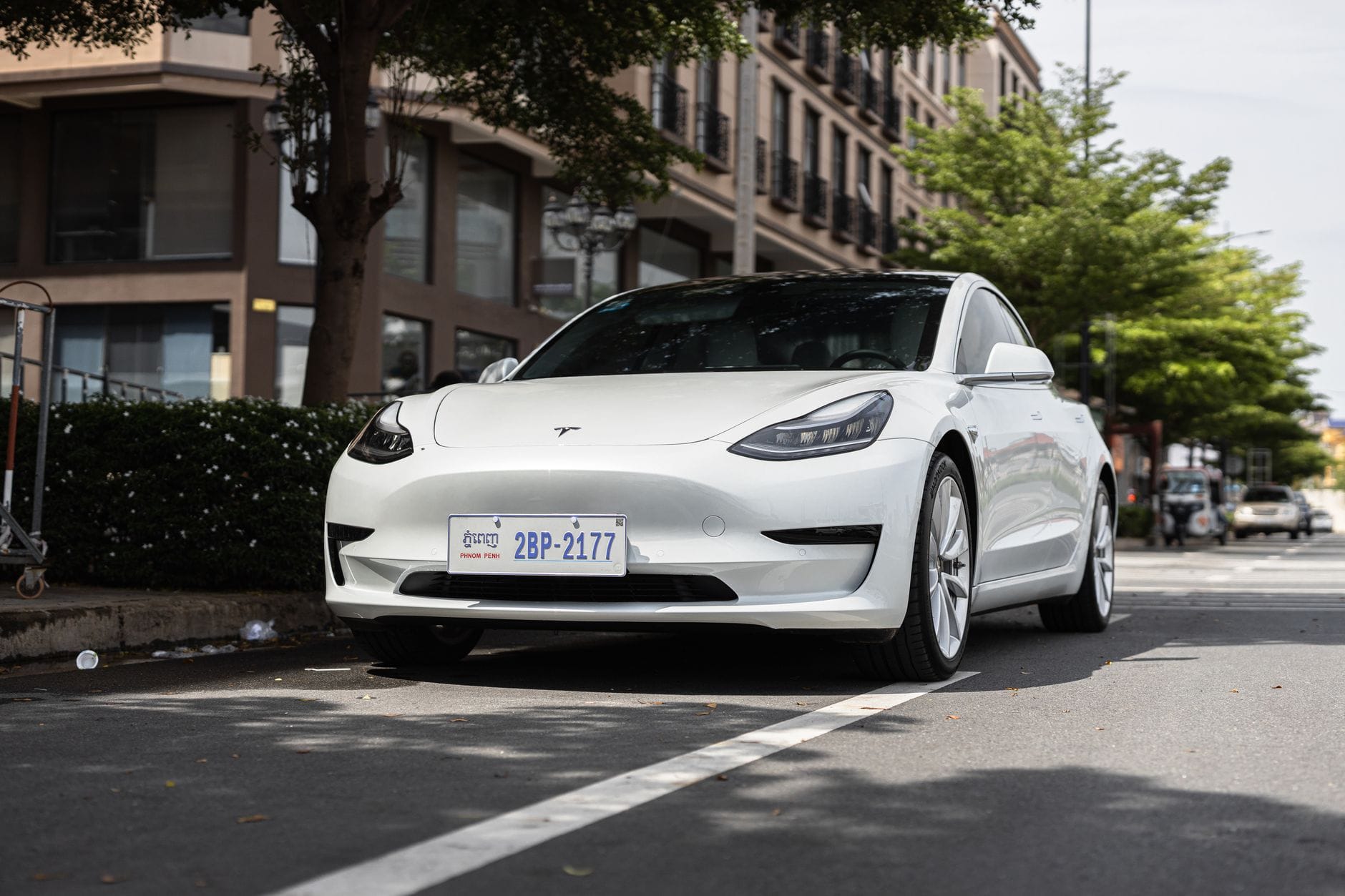
Riga, Latvia & Montevideo, Uruguay, MMN Correspondent: What does it take for a car company to launch in two different continents within seven days? For Tesla, the answer involves a mix of strategic planning, local partnerships, and a deep understanding of what makes each market tick. This week, the company officially opened its doors in Latvia and Uruguay, two countries that on the surface seem worlds apart but share a surprising commonality: both are ready for electric vehicles in ways that bigger markets are not.
Let’s start with Latvia. This Baltic nation of 1.9 million people might not be the first place you think of when you imagine EV adoption, but the numbers tell a different story. Battery electric vehicles already make up 7.1% of new car registrations, and when you add plug in hybrids, that figure jumps to nearly 19%. The Tesla Model 3 is already the best selling EV in the country, even before official operations began. So what took Tesla so long? The answer lies in infrastructure and service. The company has been quietly building a foundation: registering a local entity, hiring staff for a service center in Riga, and studying the pop up store model that worked so well in neighboring Lithuania. The charging network is already robust with over 400 public DC fast chargers capable of up to 250 kW, so the hardware was ready. What was missing was the official support system. Now that it’s here, Latvian buyers can expect factory warranties, certified service, and direct access to Tesla’s software ecosystem.
Now shift your attention to South America. Uruguay is a country that runs on nearly 100% renewable energy. Wind, solar, and hydropower dominate the grid, which means every kilometer driven in a Tesla there is almost entirely carbon free. That alone makes it a compelling market, but there’s more. EV penetration in Uruguay recently crossed 20% of new vehicle registrations, one of the highest rates in Latin America. High fuel prices and generous tax incentives have made electric cars not just an environmental choice but a smart financial one. Until now, hundreds of Teslas in Uruguay were grey imports, meaning they were bought abroad and brought in without official support. Owners had no warranty, no service network, and no access to the Supercharger network. That changes now. Tesla has homologated the Model 3 and Model Y in three configurations each, appointed a local leadership team, and will import vehicles from Gigafactory Shanghai. The result is a complete ownership experience that was previously unavailable.
What’s interesting here is the timing. Tesla could have entered these markets years ago, but it chose to wait until the conditions were right. In Latvia, that meant waiting for the charging infrastructure to mature and for consumer awareness to reach a tipping point. In Uruguay, it meant watching the grey market prove demand before committing to official operations. This is not a company that rushes into every country with a showroom and a press release. Instead, it identifies high potential niches where policy, infrastructure, and consumer interest align, and then moves with precision.
For investors, this dual launch is a signal that Tesla can scale efficiently across diverse economic environments. The Baltic region is still underpenetrated for EVs, and Uruguay offers a gateway to other South American markets where renewable energy is growing. Both entries are low risk because the groundwork was laid by local governments and early adopters. Tesla simply steps in to provide the missing piece: official support and brand credibility.
There’s also a broader story here about the global shift to sustainable mobility. When a company can launch in two countries on different continents in the same week, it shows that the infrastructure for EVs is no longer a barrier. The charging networks are there. The consumer interest is there. The policy support is there. What remains is for manufacturers to show up with the right products and the right service models. Tesla is doing exactly that, and the results will likely encourage other automakers to follow suit.
So what should you take away from this? If you live in Latvia or Uruguay, the era of worrying about where to service your Tesla or whether you’ll get software updates is over. If you’re watching from elsewhere, keep an eye on these markets. They are proving that small countries with smart policies and clean energy can become leaders in EV adoption. And if you’re an investor, this is a reminder that Tesla’s growth story is far from finished. The company is not just selling cars. It is building ecosystems in places where the conditions are right, and that is a strategy built to last.
Related in Space Tech

Space Tech
August 2026 in the Faroe Islands: A Rare Solar Eclipse Meets the Perseid Meteor Shower
Imagine standing on a remote cliff edge, the North Atlantic wind brushing your face, as the sky darkens in the middle of the day. Then, just hours later, lying back under a star-filled canopy to watch hundreds of shooting stars streak across the heavens. This is not a fantasy. T…
Read More...
Space Tech
Tesla Stock Crashes 14.5% After Earnings: What the $140 Billion Wipeout Means for the EV Giant's Future
On July 23, 2026, Tesla shares took a nosedive that erased more than $140 billion in market value in a single day. The stock closed near $320 after opening around $374, marking a 14.5% drop that ranks among the steepest in the company's history since its 2010 IPO. But here's the…
Read More...
Space Tech
Tesla Q2 2026: Revenue Hits $27.1B, But EPS Misses—What’s Driving the $1.8B Bet on Robotaxis and AI?
Tesla just dropped its Q2 2026 numbers, and they’re the kind that make you lean in. Revenue hit $27.1 billion, beating Wall Street’s $26.4 billion forecast. But here’s the twist: earnings per share came in at $0.49, just shy of the $0.53 analysts expected. So what’s really going…
Read More...
Space Tech
Tesla’s Robotaxi Network Just Got Bigger: SFO Access, Starlink Fleet Control, and Two New Florida Cities – What It Means for Your Next Ride
If you’ve been watching Tesla’s autonomous ride-hailing rollout, you know the company has been moving fast. But on July 21, 2026, they made a series of moves that feel less like incremental steps and more like a full sprint. We’re talking airport access in the Bay Area, a massiv…
Read More...
Space Tech
7 Ways Tesla’s New AI Will Remember Your Driving Preferences and Cut Interventions by 80%
Elon Musk just dropped a quiet bombshell that could change how you interact with your Tesla forever. Instead of forcing every driver to follow the same rigid rules, the company’s Full Self-Driving system is about to get a memory. A personal one. One that learns your habits, your…
Read More...
Space Tech
Your Tesla Will Soon Know You Better Than You Know Yourself: Here’s How AI Learns Your Driving Habits
Imagine stepping into your car after a long day, and before you even touch a button, the seat slides into your perfect position, your favorite playlist starts playing, the cabin temperature adjusts to your liking, and the navigation system already knows you want to stop for coff…
Read More...
Space Tech
Elon Musk Just Spent $1 Billion on Energy. Here’s Why Your AI Future Depends on It.
Elon Musk just made a quiet move that could reshape how artificial intelligence gets its power. In early June 2026, a $1.04 billion all-cash acquisition was finalized for an energy company based in Nevada. The deal was filed under a shell corporation in Delaware, and no press re…
Read More...
Space Tech
Inside Elon Musk’s Texas Ranch: A 40-Year Innovation Timeline from Blastar to Cybercab
Deep in the rolling hills of Bastrop County, Texas, something unusual is taking shape. Across thousands of acres of riverfront land, Elon Musk is quietly building what could become the most ambitious personal museum of technology ever conceived. It’s not a typical collection of…
Read More...
Space Tech
Lucid Stock Crashes 40%: Is the EV Maker Really Heading for Bankruptcy? Here’s What You Need to Know
If you’ve been watching the EV market lately, you probably caught the headlines: Lucid Motors’ stock took a brutal 40% dive in a single July trading session. That kind of drop doesn’t just rattle investors—it sparks whispers of bankruptcy across forums and trading floors. But be…
Read More...
Space Tech
Can Tesla’s Semi Survive Chicago’s Brutal Winter? A 500-Mile Electric Truck Faces Its Toughest Test Yet
What happens when a battery-powered semi truck meets a Midwestern winter that can freeze diesel in its tracks? Tesla is about to find out. The company’s all-electric Class 8 Semi has just entered a high stakes pilot program with Paper Transport, LLC (PTI), a Wisconsin based logi…
Read More...