
Tesla’s Robotaxi Network Just Got Bigger: SFO Access, Starlink Fleet Control, and Two New Florida Cities – What It Means for Your Next Ride
San Francisco, California, MMN Correspondent: If you’ve been watching Tesla’s autonomous ride-hailing rollout, you know the company has been moving fast. But on July 21, 2026, they made a series of moves that feel less like incremental steps and more like a full sprint. We’re talking airport access in the Bay Area, a massive software update, a clearer picture of why Starlink matters for robotaxis, and two brand new Florida cities joining the network. Let’s break down what’s actually happening and why it matters for anyone who’s ever wished for a car that drives itself.
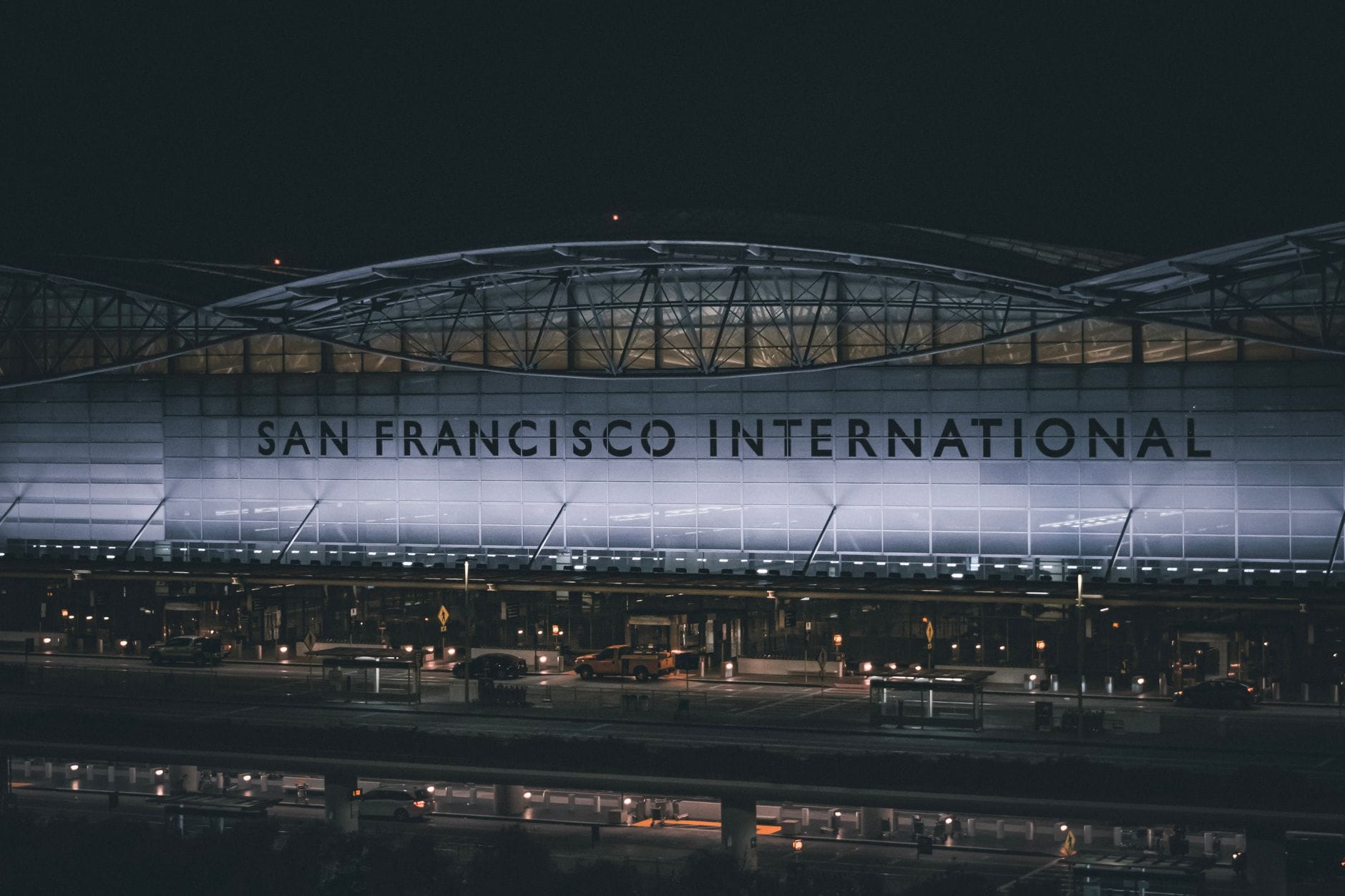
First up, the Bay Area. Tesla’s ride-hailing service now reaches San Francisco International Airport (SFO). That’s a big deal because SFO isn’t just any airport – it’s one of the busiest on the West Coast. Starting with an invite-only phase back in July 2025, the service has now secured official limousine permits from the City and County of San Francisco, valid from March 20, 2026, through January 31, 2027. This follows a similar expansion to San Jose Mineta International Airport (SJC) in late 2025. The pattern is clear: Tesla is deliberately connecting its network to major transit hubs, turning its fleet into a genuine alternative to taxis, shuttles, and rental cars.
What kind of vehicles are we talking about? For now, it’s Model Ys equipped with Full Self-Driving (Supervised) technology. Yes, there are still human safety drivers onboard – that’s a regulatory requirement for now – but the geofenced area is impressive. It stretches from northern San Francisco all the way down to southern San Jose, covering residential neighborhoods, commercial districts, and key transit corridors. That makes it one of the most comprehensive regional ride-hailing networks in the United States. The question is: how long before those safety drivers are no longer needed?
On the same day, Tesla dropped its 2026 Summer Update, a software refresh that touches every connected vehicle. Ten new features are rolling out, and some of them are genuinely clever. Automatic Navigation, for instance, learns your routines – think school drop-offs, gym visits, or that coffee shop you hit every Tuesday – and suggests routes without you having to type a thing. Preferred Routes does something similar, prioritizing paths you’ve driven before. And then there’s Set Arrival Energy from the Mobile App, which lets you pre define how much battery you want left when you reach your destination. Handy if you’re planning to plug in or just want to avoid range anxiety.
But the update isn’t all serious. Caraoke with Scoring is exactly what it sounds like: you sing along to songs while parked, and the car evaluates your performance, saving high scores to your Tesla profile. It’s a small touch, but it shows Tesla is thinking about the in car experience beyond just getting from point A to point B. Meanwhile, the mobile app now shows Self-Driving Stats, so you can track how much autonomous driving you’re actually doing over time. Voice commands have also been upgraded with Grok AI integration – you can make calls, adjust climate, open the glovebox, or ask about your vehicle’s status, all hands free.
Navigation improvements include the ability to search for Superchargers by name and add Apple Music tracks directly from artist pages. For new Model 3 and Model Y owners, there are introductory animations that make the first drive feel a bit more special. It’s the kind of polish that turns a functional update into something you actually look forward to.
Now, about Starlink. When Tesla first announced that its Cybercab robotaxis would come with Starlink satellite internet, many assumed it was for passenger entertainment – streaming movies, video calls, that sort of thing. But Ashok Elluswamy, Tesla’s Head of AI, clarified the real purpose: fleet management. Starlink ensures constant communication between each Cybercab and Tesla’s central systems. That means real time troubleshooting, remote diagnostics, and the ability to contact riders directly if something goes wrong. It’s not about keeping passengers entertained; it’s about keeping the fleet safe and reliable during unsupervised operations. Elluswamy was careful to note that Starlink isn’t required for safe operation – the cars can drive without it – but it gives Tesla unprecedented visibility and control. Think of it as a safety net that also enables faster software updates and quicker responses to anomalies.
And then there’s Florida. Tesla has launched its Robotaxi program in Tampa and Orlando, bringing the total number of operational U.S. Robotaxi locations to eight. The other cities are Austin, Dallas, Houston, Miami, and the San Francisco Bay Area. In Orlando, the geofence covers central and southern areas near major highways like SR 417 and SR 528, targeting tourism heavy districts and residential centers. In Tampa, the zone includes West Tampa, Hyde Park, downtown, and the Hillsborough River corridor – essentially the urban core. These are smart choices, focusing on areas with high demand and dense populations.
The Robotaxi program first launched in Austin back in June 2025, and since then, Tesla has been steadily expanding. The main bottleneck? Vehicle availability. Production capacity is still ramping up, so the fleet currently includes both Model Ys and newly built Cybercabs from Gigafactory Texas. That’s a clear signal that Tesla is committed to dedicated autonomous vehicles, not just retrofitting existing models.
What ties all these announcements together is a sense of deliberate, coordinated progress. Tesla isn’t just throwing robotaxis at random cities; it’s building a network that connects airports, integrates with its software ecosystem, and uses satellite connectivity to maintain control at scale. The 2026 Summer Update adds polish and functionality, while the Florida expansions prove the model works beyond Texas and California.
For anyone watching the autonomous vehicle space, this is the moment when the vision starts to feel real. Tesla’s approach – combining electric powertrains, AI driven navigation, and satellite backed communications – offers a glimpse of what urban mobility could look like in the near future. It’s not about replacing every car overnight. It’s about building a system that works for the places and people who need it most. And with each new city, each software update, and each airport connection, that system gets a little more complete.
Related in Space Tech

Space Tech
August 2026 in the Faroe Islands: A Rare Solar Eclipse Meets the Perseid Meteor Shower
Imagine standing on a remote cliff edge, the North Atlantic wind brushing your face, as the sky darkens in the middle of the day. Then, just hours later, lying back under a star-filled canopy to watch hundreds of shooting stars streak across the heavens. This is not a fantasy. T…
Read More...
Space Tech
Tesla Stock Crashes 14.5% After Earnings: What the $140 Billion Wipeout Means for the EV Giant's Future
On July 23, 2026, Tesla shares took a nosedive that erased more than $140 billion in market value in a single day. The stock closed near $320 after opening around $374, marking a 14.5% drop that ranks among the steepest in the company's history since its 2010 IPO. But here's the…
Read More...
Space Tech
Tesla Q2 2026: Revenue Hits $27.1B, But EPS Misses—What’s Driving the $1.8B Bet on Robotaxis and AI?
Tesla just dropped its Q2 2026 numbers, and they’re the kind that make you lean in. Revenue hit $27.1 billion, beating Wall Street’s $26.4 billion forecast. But here’s the twist: earnings per share came in at $0.49, just shy of the $0.53 analysts expected. So what’s really going…
Read More...
Space Tech
7 Ways Tesla’s New AI Will Remember Your Driving Preferences and Cut Interventions by 80%
Elon Musk just dropped a quiet bombshell that could change how you interact with your Tesla forever. Instead of forcing every driver to follow the same rigid rules, the company’s Full Self-Driving system is about to get a memory. A personal one. One that learns your habits, your…
Read More...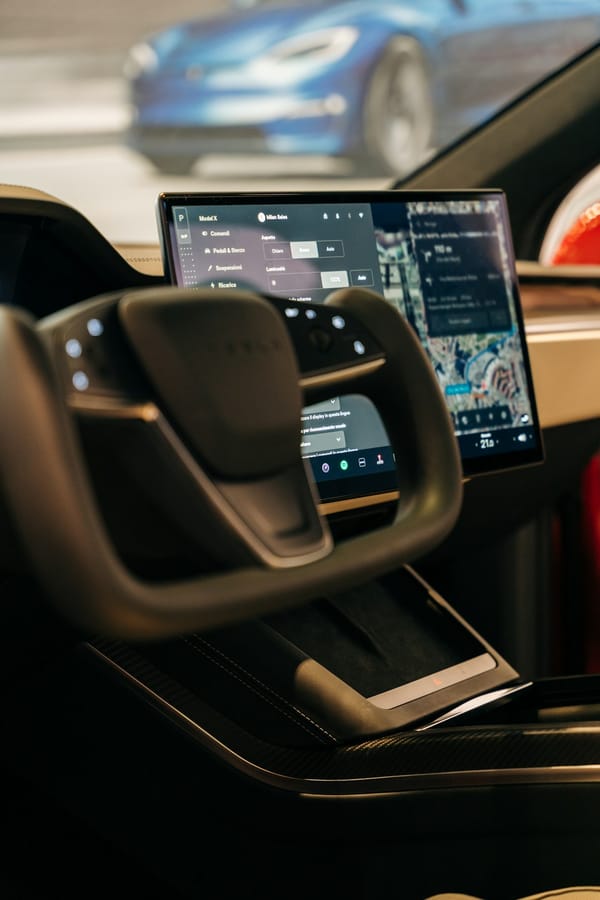
Space Tech
Your Tesla Will Soon Know You Better Than You Know Yourself: Here’s How AI Learns Your Driving Habits
Imagine stepping into your car after a long day, and before you even touch a button, the seat slides into your perfect position, your favorite playlist starts playing, the cabin temperature adjusts to your liking, and the navigation system already knows you want to stop for coff…
Read More...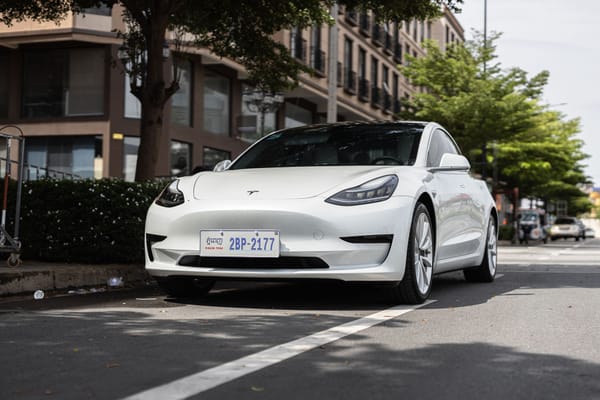
Space Tech
How Tesla Entered Two New Countries in One Week and What It Means for EV Buyers in Latvia and Uruguay
What does it take for a car company to launch in two different continents within seven days? For Tesla, the answer involves a mix of strategic planning, local partnerships, and a deep understanding of what makes each market tick. This week, the company officially opened its door…
Read More...
Space Tech
Elon Musk Just Spent $1 Billion on Energy. Here’s Why Your AI Future Depends on It.
Elon Musk just made a quiet move that could reshape how artificial intelligence gets its power. In early June 2026, a $1.04 billion all-cash acquisition was finalized for an energy company based in Nevada. The deal was filed under a shell corporation in Delaware, and no press re…
Read More...
Space Tech
Inside Elon Musk’s Texas Ranch: A 40-Year Innovation Timeline from Blastar to Cybercab
Deep in the rolling hills of Bastrop County, Texas, something unusual is taking shape. Across thousands of acres of riverfront land, Elon Musk is quietly building what could become the most ambitious personal museum of technology ever conceived. It’s not a typical collection of…
Read More...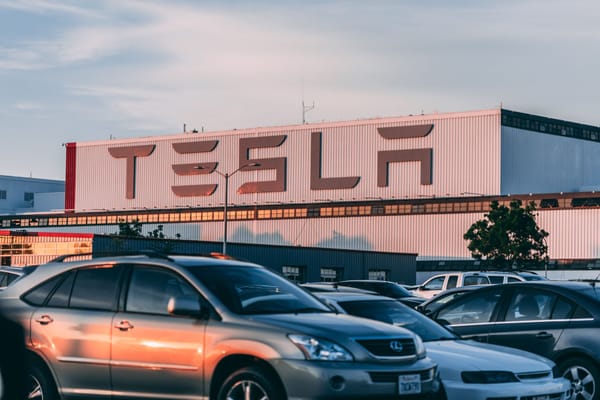
Space Tech
Lucid Stock Crashes 40%: Is the EV Maker Really Heading for Bankruptcy? Here’s What You Need to Know
If you’ve been watching the EV market lately, you probably caught the headlines: Lucid Motors’ stock took a brutal 40% dive in a single July trading session. That kind of drop doesn’t just rattle investors—it sparks whispers of bankruptcy across forums and trading floors. But be…
Read More...
Space Tech
Can Tesla’s Semi Survive Chicago’s Brutal Winter? A 500-Mile Electric Truck Faces Its Toughest Test Yet
What happens when a battery-powered semi truck meets a Midwestern winter that can freeze diesel in its tracks? Tesla is about to find out. The company’s all-electric Class 8 Semi has just entered a high stakes pilot program with Paper Transport, LLC (PTI), a Wisconsin based logi…
Read More...