
Elon Musk Just Spent $1 Billion on Energy. Here’s Why Your AI Future Depends on It.
Nevada, United States of America, MMN Correspondent: Elon Musk just made a quiet move that could reshape how artificial intelligence gets its power. In early June 2026, a $1.04 billion all-cash acquisition was finalized for an energy company based in Nevada. The deal was filed under a shell corporation in Delaware, and no press release was issued. No fanfare. No announcement. But the implications are massive.
This isn’t just another corporate purchase. It’s a strategic play to control the physical backbone of AI. As machine learning models grow hungrier for electricity, the companies that own the power supply will own the future of computing. Musk is betting big on that idea.
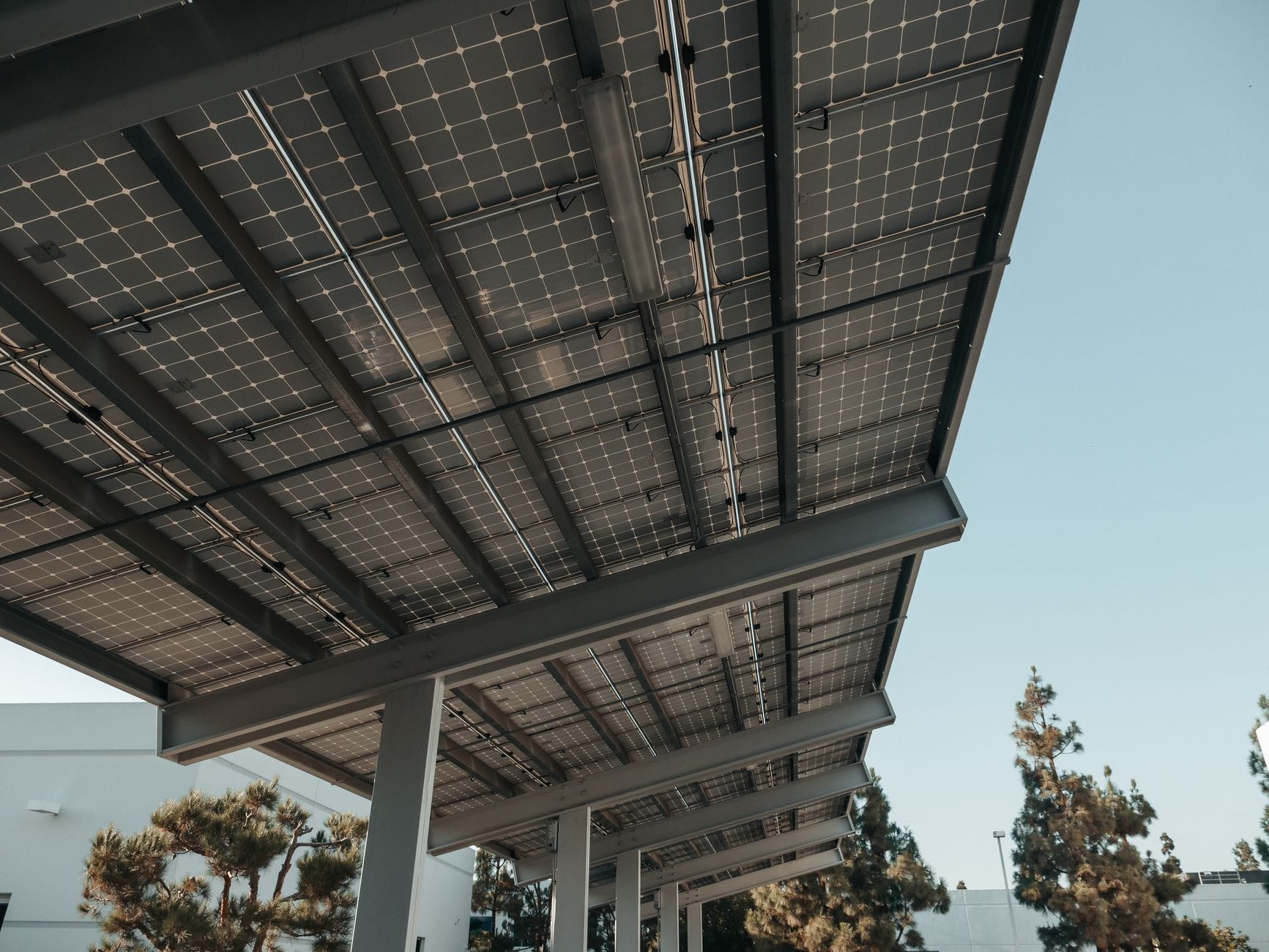
The acquired firm specializes in grid-scale battery storage, solar microgrids with hydrogen backup, and software that balances energy loads in real time. One of its crown jewels is a 200-megawatt battery facility near Las Vegas. That’s enough to power tens of thousands of homes, but Musk has other plans for it. He wants that energy flowing directly into AI training clusters, where stability and density of power are non-negotiable.
Why does this matter now? Because AI is consuming electricity at a staggering rate. The International Energy Agency reported that data center energy use jumped 30% globally in 2025 alone, with AI workloads responsible for nearly two-thirds of that increase. Major players like Microsoft, Google, and Amazon have already poured billions into renewable energy to keep up. But Musk is taking a different route. Instead of buying power from third parties, he’s buying the power companies themselves.
This acquisition gives Tesla, xAI, Neuralink, and SpaceX direct control over their energy supply chain. No more relying on volatile utility markets. No more worrying about blackouts during peak summer months. The North American Electric Reliability Corporation warned in May 2026 that several regions, especially California and Texas, could face capacity shortages. Those are exactly the areas where Musk’s most resource-intensive operations are located.
The newly acquired company has already developed AI optimized energy routing algorithms. These systems can predict demand surges and reroute power in milliseconds. That kind of precision is critical for data centers running next generation AI models, where even a momentary dip in power can disrupt weeks of training. By integrating this technology into his own infrastructure, Musk is essentially building a private energy grid for his empire.
Industry analysts see this as a move toward sovereignty. As AI models become more complex, the cost and reliability of power become decisive factors in how fast you can deploy and how efficiently you can operate. Vertical integration here means Musk can scale projects like xAI’s upcoming multimodal reasoning engine, expected in late 2027, without waiting for utility companies to catch up.
But the impact goes beyond AI. Tesla’s electric vehicle ecosystem stands to benefit too. Fast charging networks depend on stable regional grids. A decentralized energy system backed by this new acquisition could improve charging speeds and reduce downtime. Imagine Tesla’s Supercharger network using AI powered forecasting to adjust pricing and load distribution in real time based on usage patterns. That’s not a distant possibility. It’s likely already in the works.
There are questions, of course. The deal was filed under a non-disclosure agreement, and no public announcement was made by Tesla or the acquired company. Critics point to potential antitrust concerns, especially given Musk’s reach across automotive, aerospace, robotics, and now energy. But regulators seem to be taking a measured approach, noting that the transaction involves private assets and doesn’t merge with any existing public company.
Integration is expected to begin in the third quarter of 2026. The first pilot site will be at Tesla’s Gigafactory in Austin, Texas, where a new AI research cluster dedicated to autonomous navigation will be powered by the acquired infrastructure. Over the next 18 months, the system will expand to SpaceX’s Starbase facility in Boca Chica and xAI’s headquarters in San Francisco.
This acquisition reflects a larger global trend. The convergence of artificial intelligence and energy infrastructure is becoming a cornerstone of national competitiveness. Countries that can secure reliable, scalable, and sustainable power for AI will lead the next wave of innovation. Musk’s quiet billion dollar bet positions his companies at the center of that shift.
Whether this leads to breakthroughs in efficiency, sustainability, or scalability remains to be seen. But one thing is clear. The future of AI is being built from the ground up, and the foundation is energy. Musk is making sure he controls every layer of it.
Related in Space Tech

Space Tech
August 2026 in the Faroe Islands: A Rare Solar Eclipse Meets the Perseid Meteor Shower
Imagine standing on a remote cliff edge, the North Atlantic wind brushing your face, as the sky darkens in the middle of the day. Then, just hours later, lying back under a star-filled canopy to watch hundreds of shooting stars streak across the heavens. This is not a fantasy. T…
Read More...
Space Tech
Tesla Stock Crashes 14.5% After Earnings: What the $140 Billion Wipeout Means for the EV Giant's Future
On July 23, 2026, Tesla shares took a nosedive that erased more than $140 billion in market value in a single day. The stock closed near $320 after opening around $374, marking a 14.5% drop that ranks among the steepest in the company's history since its 2010 IPO. But here's the…
Read More...
Space Tech
Tesla Q2 2026: Revenue Hits $27.1B, But EPS Misses—What’s Driving the $1.8B Bet on Robotaxis and AI?
Tesla just dropped its Q2 2026 numbers, and they’re the kind that make you lean in. Revenue hit $27.1 billion, beating Wall Street’s $26.4 billion forecast. But here’s the twist: earnings per share came in at $0.49, just shy of the $0.53 analysts expected. So what’s really going…
Read More...
Space Tech
Tesla’s Robotaxi Network Just Got Bigger: SFO Access, Starlink Fleet Control, and Two New Florida Cities – What It Means for Your Next Ride
If you’ve been watching Tesla’s autonomous ride-hailing rollout, you know the company has been moving fast. But on July 21, 2026, they made a series of moves that feel less like incremental steps and more like a full sprint. We’re talking airport access in the Bay Area, a massiv…
Read More...
Space Tech
7 Ways Tesla’s New AI Will Remember Your Driving Preferences and Cut Interventions by 80%
Elon Musk just dropped a quiet bombshell that could change how you interact with your Tesla forever. Instead of forcing every driver to follow the same rigid rules, the company’s Full Self-Driving system is about to get a memory. A personal one. One that learns your habits, your…
Read More...
Space Tech
Your Tesla Will Soon Know You Better Than You Know Yourself: Here’s How AI Learns Your Driving Habits
Imagine stepping into your car after a long day, and before you even touch a button, the seat slides into your perfect position, your favorite playlist starts playing, the cabin temperature adjusts to your liking, and the navigation system already knows you want to stop for coff…
Read More...
Space Tech
How Tesla Entered Two New Countries in One Week and What It Means for EV Buyers in Latvia and Uruguay
What does it take for a car company to launch in two different continents within seven days? For Tesla, the answer involves a mix of strategic planning, local partnerships, and a deep understanding of what makes each market tick. This week, the company officially opened its door…
Read More...
Space Tech
Inside Elon Musk’s Texas Ranch: A 40-Year Innovation Timeline from Blastar to Cybercab
Deep in the rolling hills of Bastrop County, Texas, something unusual is taking shape. Across thousands of acres of riverfront land, Elon Musk is quietly building what could become the most ambitious personal museum of technology ever conceived. It’s not a typical collection of…
Read More...
Space Tech
Lucid Stock Crashes 40%: Is the EV Maker Really Heading for Bankruptcy? Here’s What You Need to Know
If you’ve been watching the EV market lately, you probably caught the headlines: Lucid Motors’ stock took a brutal 40% dive in a single July trading session. That kind of drop doesn’t just rattle investors—it sparks whispers of bankruptcy across forums and trading floors. But be…
Read More...
Space Tech
Can Tesla’s Semi Survive Chicago’s Brutal Winter? A 500-Mile Electric Truck Faces Its Toughest Test Yet
What happens when a battery-powered semi truck meets a Midwestern winter that can freeze diesel in its tracks? Tesla is about to find out. The company’s all-electric Class 8 Semi has just entered a high stakes pilot program with Paper Transport, LLC (PTI), a Wisconsin based logi…
Read More...