
Tesla Stock Crashes 14.5% After Earnings: What the $140 Billion Wipeout Means for the EV Giant's Future
San Francisco, California, MMN Correspondent: On July 23, 2026, Tesla shares took a nosedive that erased more than $140 billion in market value in a single day. The stock closed near $320 after opening around $374, marking a 14.5% drop that ranks among the steepest in the company's history since its 2010 IPO. But here's the twist: Tesla just reported record revenue and its highest ever quarterly vehicle deliveries. So why did investors hit the panic button?
The answer lies beneath the headline numbers. Tesla's Q2 2026 earnings report, released the evening before, showed $28.2 billion in revenue a 26% jump year over year. The company delivered 480,126 vehicles in the quarter, a new record. Energy storage deployments also surged, with Powerwall and Megapack segments showing strong momentum. On the surface, everything looked fantastic. Wall Street had expected solid results, and Tesla delivered them.
But then came the bottom line. Operating income plunged 57% to just $398 million, squeezing the operating margin down to a razor thin 1.4%. Non GAAP earnings per share landed at $0.33, well below the $0.53 analysts had forecast. Free cash flow turned negative at $1.1 billion, driven by a staggering 142% increase in capital expenditures to $5.8 billion for the quarter. That's a lot of money going out the door, and investors started asking tough questions about where it's all heading.
The bulk of that spending is flowing into artificial intelligence, robotics, autonomous driving systems, and next generation vehicles like the Cybercab and the Optimus humanoid robot. Tesla has always talked big about the future, but this quarter marked a clear shift from prioritizing profits to pouring cash into long term bets. In a world of rising interest rates and tighter credit, that strategy is getting a much harder look from the market.
During the earnings call, CEO Elon Musk doubled down on the company's vision for full autonomy, including the upcoming Robotaxi launch and commercial rollout of Optimus. But he offered few new concrete timelines, leaving analysts and institutional investors wanting more. When asked about the Tesla Semi's self driving capabilities, Musk said autonomous functionality would begin working around the end of this year or early next year, with full scale production ramping up alongside. He explained that software development is currently focused on high volume models like the Model 3 and Model Y, as well as the Cybercab, because those vehicles have larger fleets and higher safety requirements. The Semi, while designed for full autonomy, remains a lower priority for now.
This clarification actually aligns with recent sightings of prototype Semi trucks equipped with advanced AI4 camera arrays ten in total integrated directly into the vehicle's exterior. The hardware appears ready, even if the software validation is still catching up. It's a reminder that Tesla's ambitions are real, but the path to execution is rarely a straight line.
Thursday's drop places this sell off among the top ten worst single day declines in Tesla's history, ranking ninth overall. Only two days have been steeper: September 8, 2020, when shares fell 21.1%, and January 13, 2012, with a 19.3% drop. What makes this one different is that it happened despite strong revenue and delivery numbers. It shows how quickly sentiment can shift when growth starts to look expensive.
Still, Tesla has weathered plenty of storms before. The company has navigated supply chain disruptions, regulatory hurdles, and fierce competition from both legacy automakers and new entrants. Its ability to innovate and maintain brand loyalty keeps it at the forefront of electric mobility and clean energy infrastructure. The current investment heavy phase may feel uncomfortable, but it's also a bet on technologies that could redefine transportation and energy.
Broader market trends are also playing a role. With interest rates climbing and inflation still a concern, investors are gravitating toward companies with stable cash flows and predictable returns. Tesla's aggressive spending comes at a time when patience for unprofitable expansion is wearing thin. The next few quarters will be critical. If Tesla can show progress on its autonomous platforms, stabilize cash flow, and hit its product timelines, confidence could return. If not, the sell off could deepen, opening doors for competitors in the EV and AI spaces.
For now, the July 23 plunge is a powerful reminder that even the most innovative companies must balance ambition with financial discipline. As Tesla navigates this pivotal moment, the world is watching not just for what it builds next, but how it sustains the journey toward a fully autonomous, sustainable future.
Related in Space Tech

Space Tech
August 2026 in the Faroe Islands: A Rare Solar Eclipse Meets the Perseid Meteor Shower
Imagine standing on a remote cliff edge, the North Atlantic wind brushing your face, as the sky darkens in the middle of the day. Then, just hours later, lying back under a star-filled canopy to watch hundreds of shooting stars streak across the heavens. This is not a fantasy. T…
Read More...
Space Tech
Tesla Q2 2026: Revenue Hits $27.1B, But EPS Misses—What’s Driving the $1.8B Bet on Robotaxis and AI?
Tesla just dropped its Q2 2026 numbers, and they’re the kind that make you lean in. Revenue hit $27.1 billion, beating Wall Street’s $26.4 billion forecast. But here’s the twist: earnings per share came in at $0.49, just shy of the $0.53 analysts expected. So what’s really going…
Read More...
Space Tech
Tesla’s Robotaxi Network Just Got Bigger: SFO Access, Starlink Fleet Control, and Two New Florida Cities – What It Means for Your Next Ride
If you’ve been watching Tesla’s autonomous ride-hailing rollout, you know the company has been moving fast. But on July 21, 2026, they made a series of moves that feel less like incremental steps and more like a full sprint. We’re talking airport access in the Bay Area, a massiv…
Read More...
Space Tech
7 Ways Tesla’s New AI Will Remember Your Driving Preferences and Cut Interventions by 80%
Elon Musk just dropped a quiet bombshell that could change how you interact with your Tesla forever. Instead of forcing every driver to follow the same rigid rules, the company’s Full Self-Driving system is about to get a memory. A personal one. One that learns your habits, your…
Read More...
Space Tech
Your Tesla Will Soon Know You Better Than You Know Yourself: Here’s How AI Learns Your Driving Habits
Imagine stepping into your car after a long day, and before you even touch a button, the seat slides into your perfect position, your favorite playlist starts playing, the cabin temperature adjusts to your liking, and the navigation system already knows you want to stop for coff…
Read More...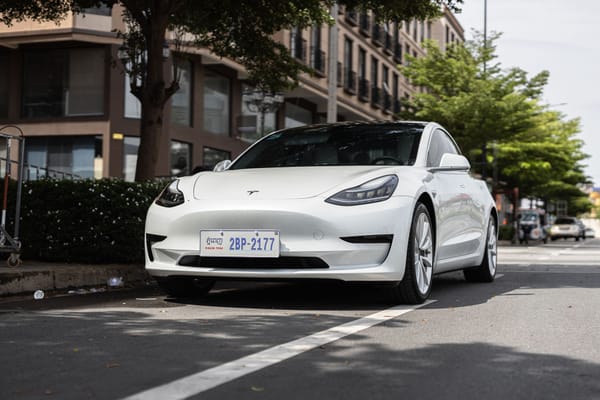
Space Tech
How Tesla Entered Two New Countries in One Week and What It Means for EV Buyers in Latvia and Uruguay
What does it take for a car company to launch in two different continents within seven days? For Tesla, the answer involves a mix of strategic planning, local partnerships, and a deep understanding of what makes each market tick. This week, the company officially opened its door…
Read More...
Space Tech
Elon Musk Just Spent $1 Billion on Energy. Here’s Why Your AI Future Depends on It.
Elon Musk just made a quiet move that could reshape how artificial intelligence gets its power. In early June 2026, a $1.04 billion all-cash acquisition was finalized for an energy company based in Nevada. The deal was filed under a shell corporation in Delaware, and no press re…
Read More...
Space Tech
Inside Elon Musk’s Texas Ranch: A 40-Year Innovation Timeline from Blastar to Cybercab
Deep in the rolling hills of Bastrop County, Texas, something unusual is taking shape. Across thousands of acres of riverfront land, Elon Musk is quietly building what could become the most ambitious personal museum of technology ever conceived. It’s not a typical collection of…
Read More...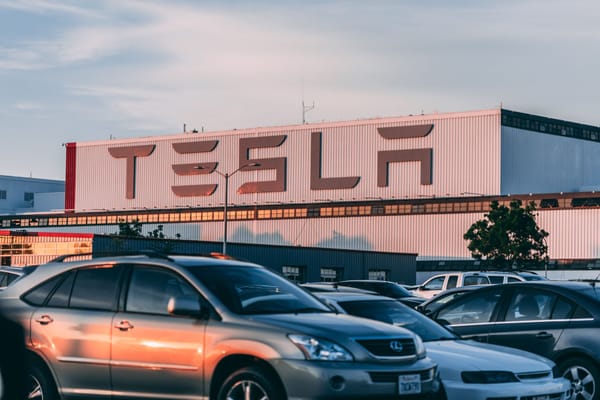
Space Tech
Lucid Stock Crashes 40%: Is the EV Maker Really Heading for Bankruptcy? Here’s What You Need to Know
If you’ve been watching the EV market lately, you probably caught the headlines: Lucid Motors’ stock took a brutal 40% dive in a single July trading session. That kind of drop doesn’t just rattle investors—it sparks whispers of bankruptcy across forums and trading floors. But be…
Read More...
Space Tech
Can Tesla’s Semi Survive Chicago’s Brutal Winter? A 500-Mile Electric Truck Faces Its Toughest Test Yet
What happens when a battery-powered semi truck meets a Midwestern winter that can freeze diesel in its tracks? Tesla is about to find out. The company’s all-electric Class 8 Semi has just entered a high stakes pilot program with Paper Transport, LLC (PTI), a Wisconsin based logi…
Read More...