
Can Tesla’s Semi Survive Chicago’s Brutal Winter? A 500-Mile Electric Truck Faces Its Toughest Test Yet
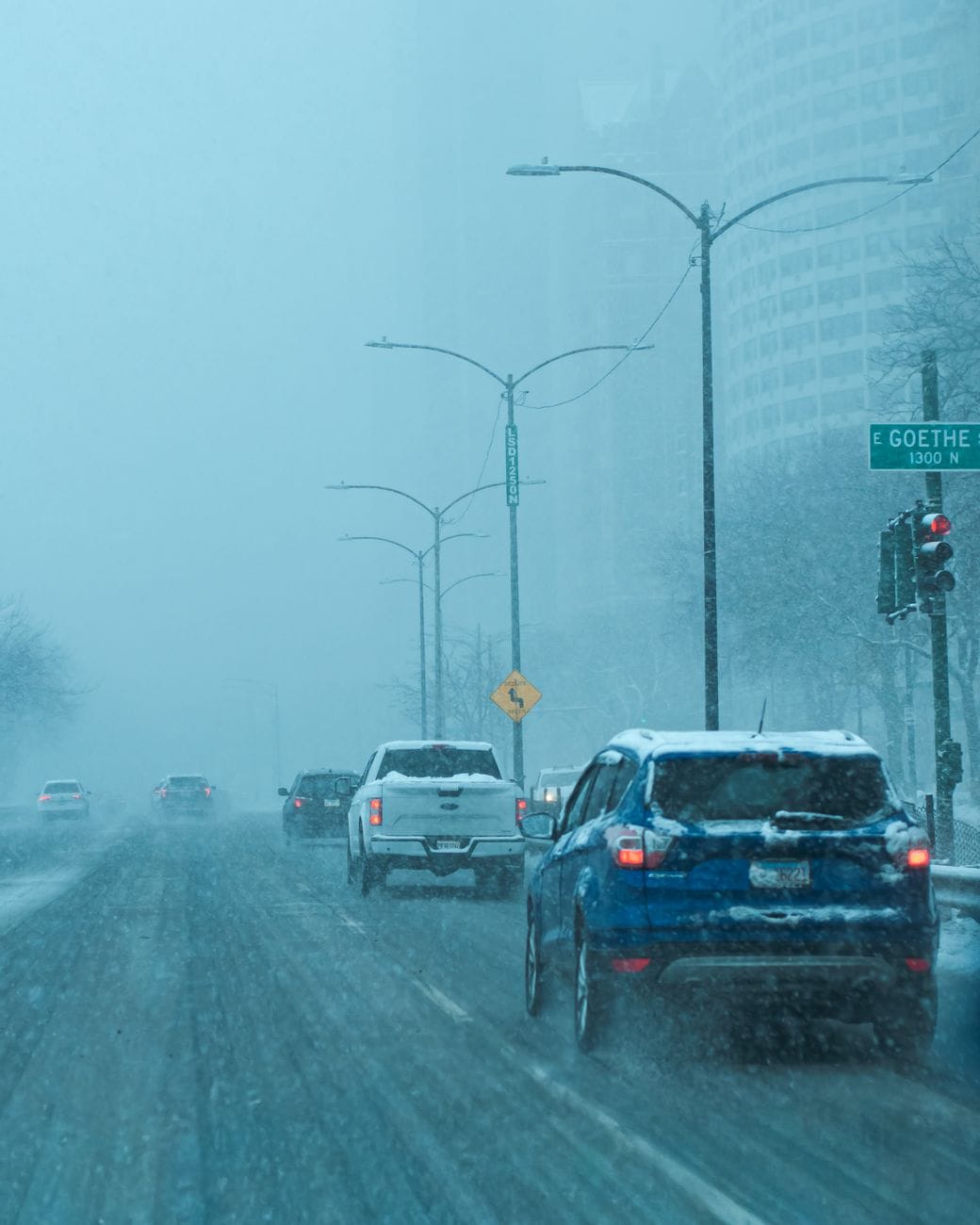
Chicago, Illinois, MMN Correspondent: What happens when a battery-powered semi truck meets a Midwestern winter that can freeze diesel in its tracks? Tesla is about to find out. The company’s all-electric Class 8 Semi has just entered a high stakes pilot program with Paper Transport, LLC (PTI), a Wisconsin based logistics provider. The mission: run dedicated routes across the Chicago metro area through snow, ice, and subzero temperatures. This isn’t just another test. It’s the kind of real world challenge that could determine whether electric freight is ready for the heartland.
Chicago doesn’t do mild. Winter temperatures regularly drop below freezing, and the city averages more than 35 inches of snow each year. For an electric truck, that means battery capacity shrinks, energy consumption climbs, and thermal management systems have to work overtime. Tesla’s Semi promises a 500 mile range under ideal conditions. But ideal conditions don’t exist in a Chicago January. The question is simple: can the Semi maintain consistent performance when the mercury plunges and the roads turn white?
This pilot is about more than just cold weather durability. PTI has already logged over 87 million miles using compressed natural gas and renewable gas. Now the company wants to go all in on zero emissions. They see the Tesla Semi as a way to cut Scope 3 emissions—those indirect emissions from supply chains and transportation—without sacrificing efficiency or cost. Tyler Ellison, PTI’s CEO, puts it plainly: “We take a consultative approach to helping customers identify and implement the right transportation solution for their network. Our partnership with Tesla expands our portfolio, giving customers more ways to reduce emissions without compromising service or economics.”
The Semi itself is a beast of engineering. Its three motor powertrain delivers up to 800 kW of drive power, which means rapid acceleration and strong hill climbing ability—both critical for navigating Chicago’s hilly terrain and icy streets. It consumes just 1.7 kWh per mile, a stark contrast to diesel trucks that burn through 3.5 to 4.5 kWh per mile when you factor in engine inefficiencies and auxiliary loads. And the regenerative braking system recovers energy during deceleration, a huge advantage in stop and go urban traffic.
Bryan Ellen, VP of Maintenance at PTI, is excited about the technological fit. “We are excited to partner with Tesla, leveraging their ever-evolving technology,” he says. “We anticipate a growing synergy between our businesses as we work to facilitate this sustainable solution for our customers.” The data collected during this pilot will be gold. It will help answer critical questions about long term maintenance needs, charging infrastructure requirements, and total cost of ownership in a cold weather environment.
Earlier Tesla Semi deployments in California—with companies like Anheuser-Busch and PepsiCo—focused on regional distribution in mild climates. Those trials taught valuable lessons about route planning and charging logistics. But Chicago is a different beast. It’s a climate zone far removed from the coastal environments where most EVs have been validated. If the Semi can handle this, it could open the door for widespread adoption across the Midwest, Northeast, and other cold weather regions of North America.
The implications go beyond logistics. Freight trucks account for nearly 20% of U.S. transportation related CO₂ emissions. According to the U.S. Department of Energy, converting just 10% of the nation’s Class 8 truck fleet to electric could cut annual greenhouse gas emissions by over 10 million metric tons. That’s the equivalent of taking more than 2 million cars off the road. Success in Chicago could accelerate that transition dramatically.
There’s also a feedback loop for Tesla. Insights from PTI on battery thermal management, cabin heating efficiency, and charging speed in the cold could inform updates to the Semi’s software and hardware. Tesla has a track record of rapid iteration based on field data—just look at how the Full Self-Driving suite and battery chemistry have evolved over time. This pilot could shape the next generation of electric trucks.
As the world pushes toward net zero emissions by 2050, electric freight is moving from niche to necessity. The Chicago pilot is more than a technical trial. It’s a blueprint for how major fleets can transition to zero emission operations, even in the most challenging climates. The results, expected through late 2026, will be watched closely by regulators, fleet operators, and environmental advocates. If the Tesla Semi proves itself here, it could spark a wave of similar programs across colder U.S. cities. And that would be a turning point for one of the most polluting sectors in modern industry.
Related in Space Tech

Space Tech
August 2026 in the Faroe Islands: A Rare Solar Eclipse Meets the Perseid Meteor Shower
Imagine standing on a remote cliff edge, the North Atlantic wind brushing your face, as the sky darkens in the middle of the day. Then, just hours later, lying back under a star-filled canopy to watch hundreds of shooting stars streak across the heavens. This is not a fantasy. T…
Read More...
Space Tech
Tesla Stock Crashes 14.5% After Earnings: What the $140 Billion Wipeout Means for the EV Giant's Future
On July 23, 2026, Tesla shares took a nosedive that erased more than $140 billion in market value in a single day. The stock closed near $320 after opening around $374, marking a 14.5% drop that ranks among the steepest in the company's history since its 2010 IPO. But here's the…
Read More...
Space Tech
Tesla Q2 2026: Revenue Hits $27.1B, But EPS Misses—What’s Driving the $1.8B Bet on Robotaxis and AI?
Tesla just dropped its Q2 2026 numbers, and they’re the kind that make you lean in. Revenue hit $27.1 billion, beating Wall Street’s $26.4 billion forecast. But here’s the twist: earnings per share came in at $0.49, just shy of the $0.53 analysts expected. So what’s really going…
Read More...
Space Tech
Tesla’s Robotaxi Network Just Got Bigger: SFO Access, Starlink Fleet Control, and Two New Florida Cities – What It Means for Your Next Ride
If you’ve been watching Tesla’s autonomous ride-hailing rollout, you know the company has been moving fast. But on July 21, 2026, they made a series of moves that feel less like incremental steps and more like a full sprint. We’re talking airport access in the Bay Area, a massiv…
Read More...
Space Tech
7 Ways Tesla’s New AI Will Remember Your Driving Preferences and Cut Interventions by 80%
Elon Musk just dropped a quiet bombshell that could change how you interact with your Tesla forever. Instead of forcing every driver to follow the same rigid rules, the company’s Full Self-Driving system is about to get a memory. A personal one. One that learns your habits, your…
Read More...
Space Tech
Your Tesla Will Soon Know You Better Than You Know Yourself: Here’s How AI Learns Your Driving Habits
Imagine stepping into your car after a long day, and before you even touch a button, the seat slides into your perfect position, your favorite playlist starts playing, the cabin temperature adjusts to your liking, and the navigation system already knows you want to stop for coff…
Read More...
Space Tech
How Tesla Entered Two New Countries in One Week and What It Means for EV Buyers in Latvia and Uruguay
What does it take for a car company to launch in two different continents within seven days? For Tesla, the answer involves a mix of strategic planning, local partnerships, and a deep understanding of what makes each market tick. This week, the company officially opened its door…
Read More...
Space Tech
Elon Musk Just Spent $1 Billion on Energy. Here’s Why Your AI Future Depends on It.
Elon Musk just made a quiet move that could reshape how artificial intelligence gets its power. In early June 2026, a $1.04 billion all-cash acquisition was finalized for an energy company based in Nevada. The deal was filed under a shell corporation in Delaware, and no press re…
Read More...
Space Tech
Inside Elon Musk’s Texas Ranch: A 40-Year Innovation Timeline from Blastar to Cybercab
Deep in the rolling hills of Bastrop County, Texas, something unusual is taking shape. Across thousands of acres of riverfront land, Elon Musk is quietly building what could become the most ambitious personal museum of technology ever conceived. It’s not a typical collection of…
Read More...
Space Tech
Lucid Stock Crashes 40%: Is the EV Maker Really Heading for Bankruptcy? Here’s What You Need to Know
If you’ve been watching the EV market lately, you probably caught the headlines: Lucid Motors’ stock took a brutal 40% dive in a single July trading session. That kind of drop doesn’t just rattle investors—it sparks whispers of bankruptcy across forums and trading floors. But be…
Read More...