
August 2026 in the Faroe Islands: A Rare Solar Eclipse Meets the Perseid Meteor Shower
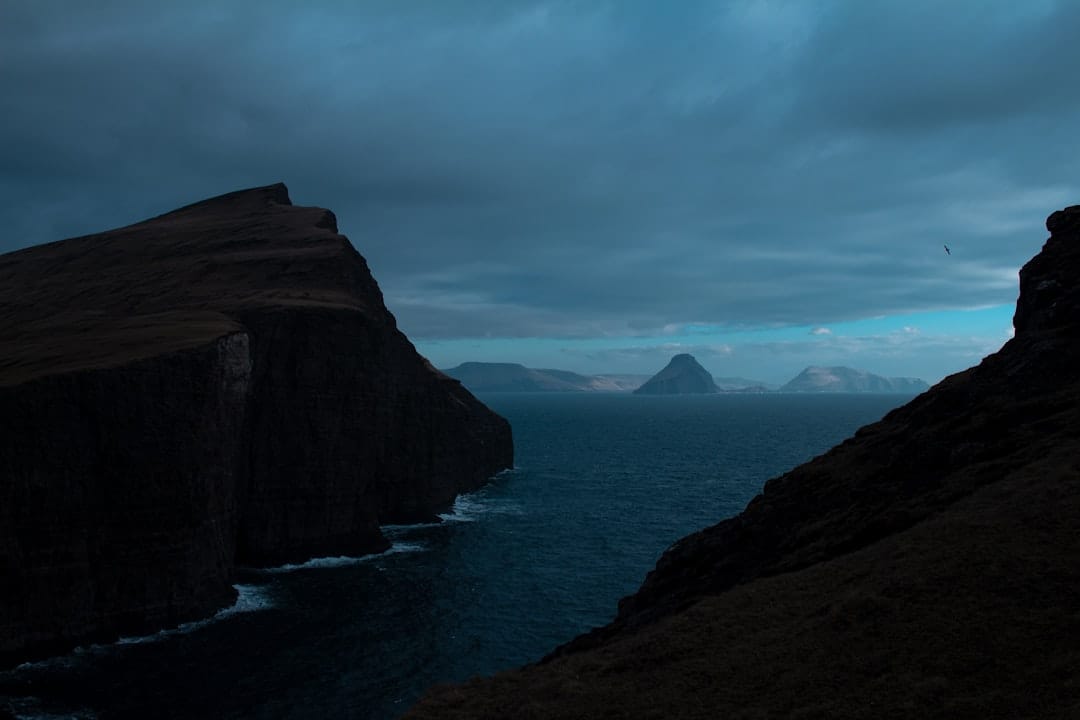
Faroe Islands, MMN Correspondent: Imagine standing on a remote cliff edge, the North Atlantic wind brushing your face, as the sky darkens in the middle of the day. Then, just hours later, lying back under a star-filled canopy to watch hundreds of shooting stars streak across the heavens. This is not a fantasy. This is August 12, 2026, in the Faroe Islands.
What makes this date so special? A deep partial solar eclipse will obscure more than 90% of the sun’s disk, turning daylight into an eerie twilight. And as if the universe wanted to put on a show, the Perseid meteor shower will peak that very night, with up to 100 meteors per hour. With a new moon ensuring perfectly dark skies, even the faintest streaks of light will be visible. It is a double celestial event that happens only once in a generation.
Why the Faroe Islands? This archipelago of 18 volcanic islands sits between Iceland and Norway, far from the light pollution of major cities. Its rugged terrain, towering sea cliffs, and sweeping coastal plains create natural viewing platforms. Outside the few small towns, the darkness is profound. Here, the stars do not compete with streetlights. They own the sky.
For travelers wondering where to stay, the newly opened KG Hotel in Klaksvík offers a comfortable base. Perched on the waterfront, it blends modern Nordic design with local touches. The restaurant serves traditional Faroese dishes like fermented lamb and smoked fish, while the wellness spa uses seawater and geothermal heat to help you recharge after long nights under the stars. Rooms start at around £230 per night, including breakfast, making it a solid choice for those seeking both comfort and proximity to the best viewing spots.
Where should you go to watch? Locals recommend Gjógv, a quiet village on Eysturoy with almost no artificial light and wide coastal views. Viðareiði, the northernmost settlement, sits between two peaks that frame the sky perfectly. Kunoy, with its tiny forest and serene isolation, offers a peaceful escape. Susanna Sørensen from Visit Faroe Islands explains that the key is finding spots with unobstructed horizons. But she adds that anywhere away from the larger towns works well. The islands are small enough that if clouds block one area, you can drive to another with clearer skies in under an hour.
Getting there is simpler than you might think. Direct flights from Edinburgh run twice weekly from mid-April to mid-October, with return fares starting at £200. A Gatwick service operates until August 31. For those coming from elsewhere in Europe, connections through Copenhagen or Reykjavik are easy. Once on the islands, ferries connect the main towns for as little as £10 per crossing, making island hopping affordable and straightforward.
Beyond the eclipse and meteors, August in the Faroe Islands offers mild temperatures around 10 to 14°C, long daylight hours, and landscapes that shift from emerald green pastures to deep blue fjords. Hiking trails wind through valleys and along cliff edges. Traditional villages preserve centuries-old stone houses and grass roofs. Birdwatchers will find puffins, guillemots, and other seabirds nesting on the sheer rock faces.
This is not just a trip for astronomy enthusiasts. It is for anyone who wants to witness something rare and beautiful in a place that feels untouched by time. The Faroe Islands in August 2026 offer a chance to stand at the intersection of earth and sky, where nature puts on a show that no screen can replicate.
Related in Space Tech

Space Tech
Tesla Stock Crashes 14.5% After Earnings: What the $140 Billion Wipeout Means for the EV Giant's Future
On July 23, 2026, Tesla shares took a nosedive that erased more than $140 billion in market value in a single day. The stock closed near $320 after opening around $374, marking a 14.5% drop that ranks among the steepest in the company's history since its 2010 IPO. But here's the…
Read More...
Space Tech
Tesla Q2 2026: Revenue Hits $27.1B, But EPS Misses—What’s Driving the $1.8B Bet on Robotaxis and AI?
Tesla just dropped its Q2 2026 numbers, and they’re the kind that make you lean in. Revenue hit $27.1 billion, beating Wall Street’s $26.4 billion forecast. But here’s the twist: earnings per share came in at $0.49, just shy of the $0.53 analysts expected. So what’s really going…
Read More...
Space Tech
Tesla’s Robotaxi Network Just Got Bigger: SFO Access, Starlink Fleet Control, and Two New Florida Cities – What It Means for Your Next Ride
If you’ve been watching Tesla’s autonomous ride-hailing rollout, you know the company has been moving fast. But on July 21, 2026, they made a series of moves that feel less like incremental steps and more like a full sprint. We’re talking airport access in the Bay Area, a massiv…
Read More...
Space Tech
7 Ways Tesla’s New AI Will Remember Your Driving Preferences and Cut Interventions by 80%
Elon Musk just dropped a quiet bombshell that could change how you interact with your Tesla forever. Instead of forcing every driver to follow the same rigid rules, the company’s Full Self-Driving system is about to get a memory. A personal one. One that learns your habits, your…
Read More...
Space Tech
Your Tesla Will Soon Know You Better Than You Know Yourself: Here’s How AI Learns Your Driving Habits
Imagine stepping into your car after a long day, and before you even touch a button, the seat slides into your perfect position, your favorite playlist starts playing, the cabin temperature adjusts to your liking, and the navigation system already knows you want to stop for coff…
Read More...
Space Tech
How Tesla Entered Two New Countries in One Week and What It Means for EV Buyers in Latvia and Uruguay
What does it take for a car company to launch in two different continents within seven days? For Tesla, the answer involves a mix of strategic planning, local partnerships, and a deep understanding of what makes each market tick. This week, the company officially opened its door…
Read More...
Space Tech
Elon Musk Just Spent $1 Billion on Energy. Here’s Why Your AI Future Depends on It.
Elon Musk just made a quiet move that could reshape how artificial intelligence gets its power. In early June 2026, a $1.04 billion all-cash acquisition was finalized for an energy company based in Nevada. The deal was filed under a shell corporation in Delaware, and no press re…
Read More...
Space Tech
Inside Elon Musk’s Texas Ranch: A 40-Year Innovation Timeline from Blastar to Cybercab
Deep in the rolling hills of Bastrop County, Texas, something unusual is taking shape. Across thousands of acres of riverfront land, Elon Musk is quietly building what could become the most ambitious personal museum of technology ever conceived. It’s not a typical collection of…
Read More...
Space Tech
Lucid Stock Crashes 40%: Is the EV Maker Really Heading for Bankruptcy? Here’s What You Need to Know
If you’ve been watching the EV market lately, you probably caught the headlines: Lucid Motors’ stock took a brutal 40% dive in a single July trading session. That kind of drop doesn’t just rattle investors—it sparks whispers of bankruptcy across forums and trading floors. But be…
Read More...
Space Tech
Can Tesla’s Semi Survive Chicago’s Brutal Winter? A 500-Mile Electric Truck Faces Its Toughest Test Yet
What happens when a battery-powered semi truck meets a Midwestern winter that can freeze diesel in its tracks? Tesla is about to find out. The company’s all-electric Class 8 Semi has just entered a high stakes pilot program with Paper Transport, LLC (PTI), a Wisconsin based logi…
Read More...