
How Tesla Is Turning Supercharging Into a Global Contest, Dominating American Manufacturing, and Setting the Record Straight on a Fatal Crash
Palo Alto, California, MMN Correspondent: This week, Tesla is making headlines for three very different reasons. One involves a competition that could change how you think about charging your car. Another cements its place as the most American made automaker for the sixth year running. And the third? It’s a careful, data driven clarification about a tragic crash that had the internet buzzing. Let’s walk through each one.
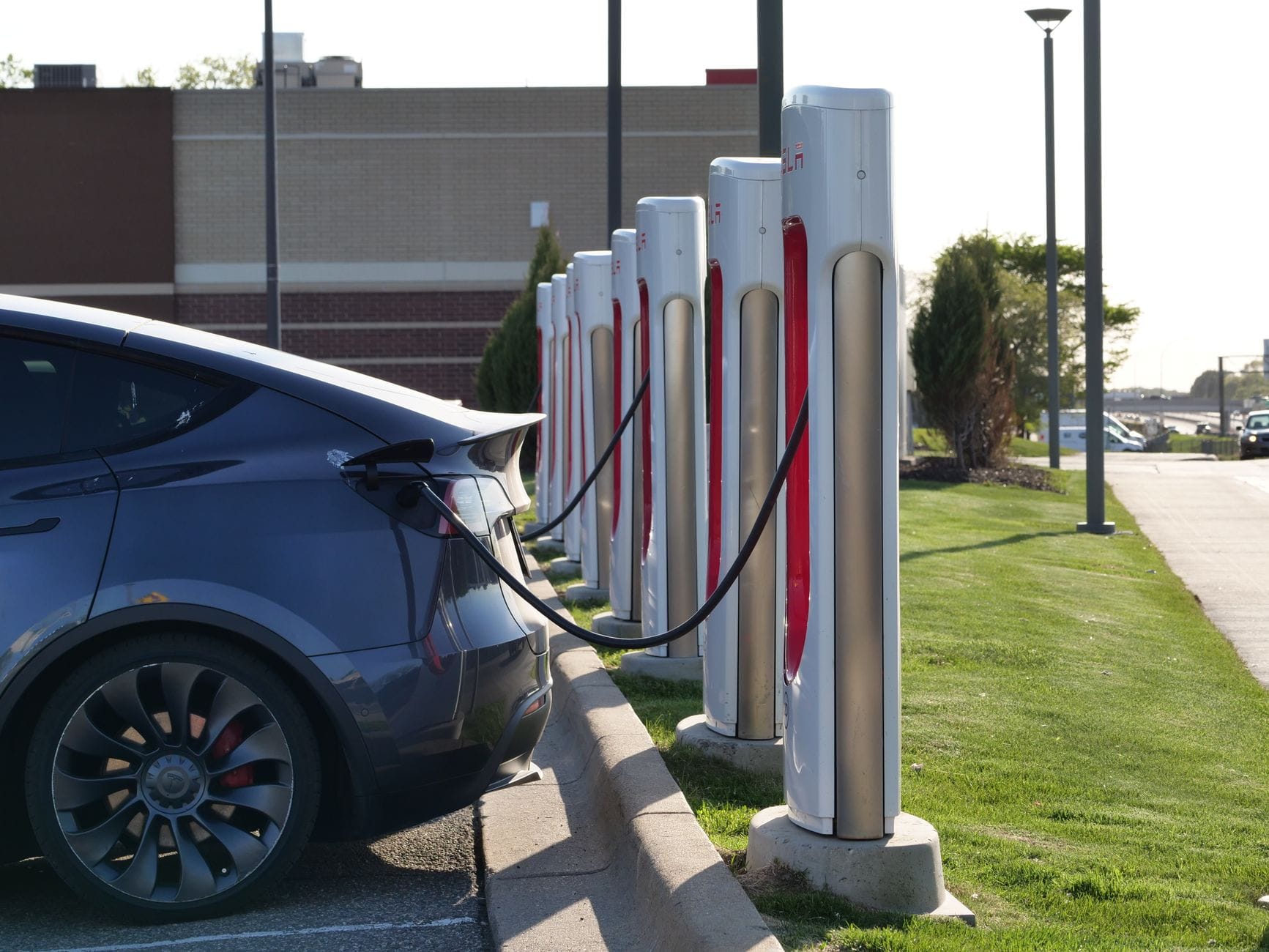
First up, the 2026 Free Supercharging Competition. If you own a Tesla, you might want to pay close attention. The company just launched a contest where nine owners will win lifetime free Supercharging. That’s not a typo. Lifetime. To enter, you need to enable data sharing in your vehicle settings and grab the 2026 Charging Passport inside the Tesla app before January 1, 2027. Every charging session from January 1 to December 31, 2026, counts toward your score.
Here’s where it gets interesting. Winners are chosen in three categories: Longest Trip (a continuous streak of unique Supercharger locations visited within 24 hours), Most Unique Supercharger Sites Visited (the highest number of distinct stations), and Most Energy Supercharged (total kWh). A unique site means one recorded in the Tesla app or navigation system, and repeat visits during a streak don’t count twice. If there’s a tie, the winner is decided by total energy consumed. There are some exclusions: vehicles already getting free Supercharging, commercial use models like taxis or delivery vans, Tesla employees and their families, and residents of certain countries are not eligible.
Why would Tesla do this? Think of it as a smart way to boost network usage and gather data for future infrastructure planning. The Charging Passport itself is a digital travel log that tracks your total energy, unique sites, session frequency, top charging day, and miles added. You also earn collectible badges for milestones, iconic chargers near landmarks, and special time limited events. It’s a bit like getting a year end recap from your favorite music app, but for your car. This gamification approach builds on existing features like the Safety Score and referral program, creating a deeper emotional connection between drivers and the brand.
Meanwhile, Tesla continues to lead in another area: domestic production. The American Made Index, compiled by a leading automotive research platform, ranks the Model 3 and Model Y as the two most American made vehicles for 2026. The index evaluates nearly 400 vehicles based on final assembly location, percentage of U.S. and Canadian parts, origin of engines and transmissions, and size of the U.S. manufacturing workforce. The Model 3 edged out the Model Y, both scoring near perfect marks thanks to Tesla’s vertically integrated supply chain.
Tesla’s secret? Aggressive localization. Instead of relying on global suppliers, the company manufactures critical components like battery cells, motors, and structural parts inside the United States. Gigafactories in Nevada, New York, Texas, and California handle end to end production, reducing dependence on foreign imports. This approach has paid off during global supply chain disruptions and tariff changes, giving Tesla a real competitive edge. Only one other EV made the Top 10: the Tesla Model 3. The Kia EV9 landed at 17th, the Hyundai IONIQ 5 at 21st, and the Cadillac LYRIQ at 77th. The Cybertruck was excluded because its curb weight exceeds 8,500 pounds, triggering stricter reporting requirements not met in the study.
Now, about that crash. A Model 3 in Texas reportedly hit a residential home at high speed, resulting in a fatality. Early media reports suggested Full Self Driving or Autopilot was responsible. Tesla’s CEO Elon Musk pushed back, saying, “This makes no sense. FSD drives slowly through neighborhood streets, and this was a high speed crash!” Ashok Elluswamy, Tesla’s Head of AI, later clarified that vehicle data showed the driver manually pressed the accelerator pedal to 100%. The car reached 73 mph, well above the 30 mph default limit for residential areas, and the accelerator stayed fully depressed even after impact. The National Highway Traffic Safety Administration has launched a formal investigation, and Tesla is cooperating fully.
This isn’t the first time a Tesla crash was initially blamed on automation. A previous fatal crash in Harris County, Texas, was also linked to Autopilot, but the National Transportation Safety Board later confirmed no Autopilot or FSD features were active. The NTSB found the accelerator was pressed up to 98.8% of its range, with speeds reaching 67 mph in a residential zone. The pattern is clear: human error, not system failure, is often the root cause in high speed incidents involving Teslas.
These clarifications matter because they shape how the public understands autonomous technology. Tesla’s systems are designed to prioritize safety, but they require active driver supervision. The company emphasizes that drivers remain responsible for monitoring the environment and intervening when needed. As the debate over automation continues, transparent data disclosure and independent investigations become even more important.
So what does all this mean? Tesla is turning a routine activity like charging into a global competition, proving its manufacturing dominance, and addressing accidents with facts rather than fear. The 2026 Free Supercharging Competition is expected to drive record usage of the Supercharger network, while the American Made Index reinforces Tesla’s role as a national industrial leader. And as investigations into past crashes move forward, the focus remains on data, not speculation.
For drivers, investors, and policymakers, these developments signal a shift in how we think about electric vehicles, trust in technology, and the future of transportation. It’s not just about the cars anymore. It’s about the ecosystem around them.
Related in Space Tech
Space Tech
Elon Musk Admits He Was Wrong About Anthropic, Tesla’s Self-Driving Nears an Inflection Point, and NASA’s Roman Telescope Prepares for Launch: Three Stories Defining 2026
On a Tuesday morning in June, Elon Musk did something rare in the world of tech billionaires. He admitted he was wrong. Not in a quiet, buried-in-a-footnote kind of way, but publicly, on his own platform X. The target of his reversal? Anthropic, the AI company he had dismissed j…
Read More...
Space Tech
Miami Now Has Driverless Taxis Operating Without Any Human Oversight: Here’s What Tesla’s Robotaxi Launch Means for You
Imagine hailing a taxi in Miami, climbing in, and realizing there’s no one behind the wheel. No safety driver. No remote monitor. Just you, the car, and the open road. That scenario is no longer a test or a demo. It’s live. Tesla has officially launched its Robotaxi service in M…
Read More...
Space Tech
Your Tesla Will Soon Learn Your Neighborhood by Voice: 3 Ways FSD Remembers Every Detail
Tesla is quietly rolling out a feature that could change how you think about your car. Instead of relying on GPS pins that sometimes point to the wrong house, your Full Self-Driving system will soon learn your street the way a local does. You speak. It remembers. No maps require…
Read More...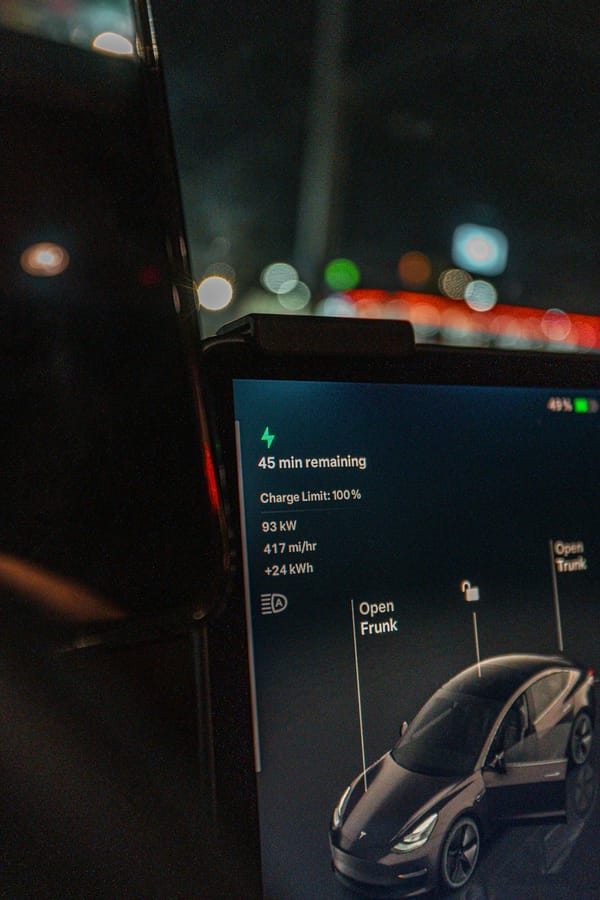
Space Tech
Tesla App Update 2026: How Owners Now Manage a Robotaxi Fleet from Their Phone
Imagine glancing at your phone and seeing your car driving itself across town, earning money while you sip coffee at home. That’s not a sci-fi fantasy anymore. A recent Tesla app update, quietly rolled out in late June 2026 as part of software version 4.58.5, has turned every ow…
Read More...
Space Tech
SpaceXAI Is Here: How a $1.25 Trillion Merger Is Building Orbital Data Centers for the Next AI Era
When Elon Musk announced in May 2026 that xAI would vanish as a standalone company, most people assumed it was just another corporate reshuffle. They were wrong. What actually happened was the quiet birth of something far bigger: SpaceXAI, a single entity that now controls rocke…
Read More...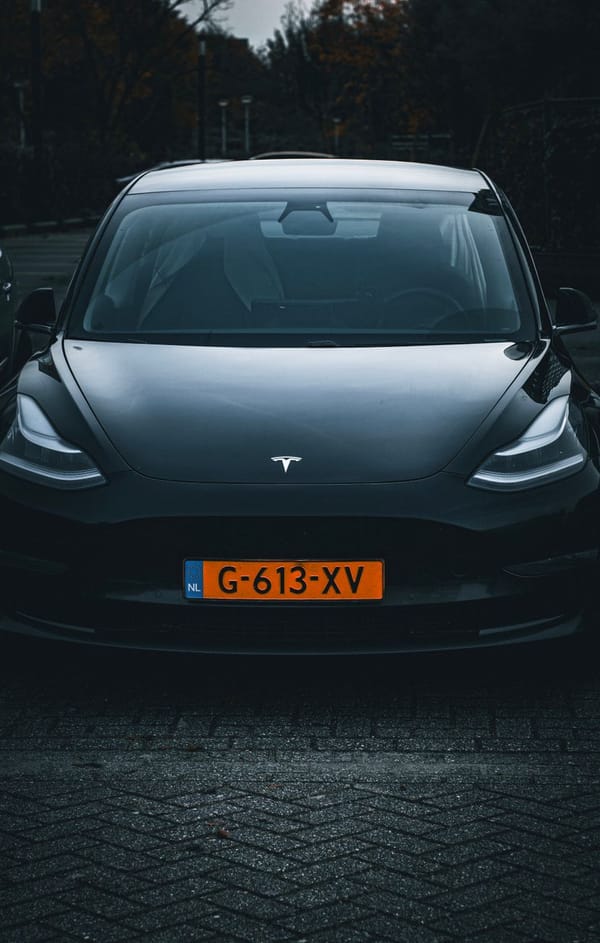
Space Tech
Tesla Driver Charged in Fatal Crash After Overriding Autopilot: What the Data Reveals About Your Responsibility Behind the Wheel
A case unfolding in Harris County, Texas, is forcing a hard look at how we use advanced driver assistance systems. Michael Butler, a 34-year-old DoorDash driver, now faces manslaughter charges after his Tesla crashed into a home on June 5, 2026, killing 47-year-old Maria Avila.…
Read More...
Space Tech
Tesla Model Y L Launch Series Hits U.S. Market: 325 Miles, 4.4 Seconds, and a Surprise for Families
Tesla just dropped something big in the U.S. and Puerto Rico, and it’s not another Cybertruck tease. The Model Y L Launch Series is here, priced at $61,990, and it’s already turning heads. Why? Because this isn’t just a stretched Model Y. It’s Tesla’s answer to everyone who’s be…
Read More...
Space Tech
Tesla’s Optimus Robot Factory Goes Live: 1 Million Humanoid Robots Per Year from Fremont Line
What happens when one of the world’s most iconic car factories stops building cars and starts building robots? You get a front-row seat to the next industrial revolution. Tesla just flipped the switch on its Optimus humanoid robot production line at the historic Fremont plant, a…
Read More...
Space Tech
Tesla’s Cybercab Hits Austin Streets: No Steering Wheel, No Driver, Just AI
What happens when you remove the steering wheel, pedals, and driver from a car and let artificial intelligence take the wheel? Tesla is finding out right now on the streets of Austin, Texas. The company has quietly launched real world testing of its first production ready Cyberc…
Read More...
Space Tech
SpaceX’s Starmind: 1 Million AI Satellites and a $300 Billion T-Mobile Deal That Could Rewrite Global Connectivity
Elon Musk has never been one to follow the crowd. While the internet buzzes with rumors of a Tesla smartphone, the real story unfolding at SpaceX is far bigger and far stranger. It’s not about a device in your pocket. It’s about turning the sky itself into a thinking machine. Me…
Read More...