
Polestar Banned from U.S. Sales by 2027: What This Means for Your Next EV and Tesla’s Growing Edge
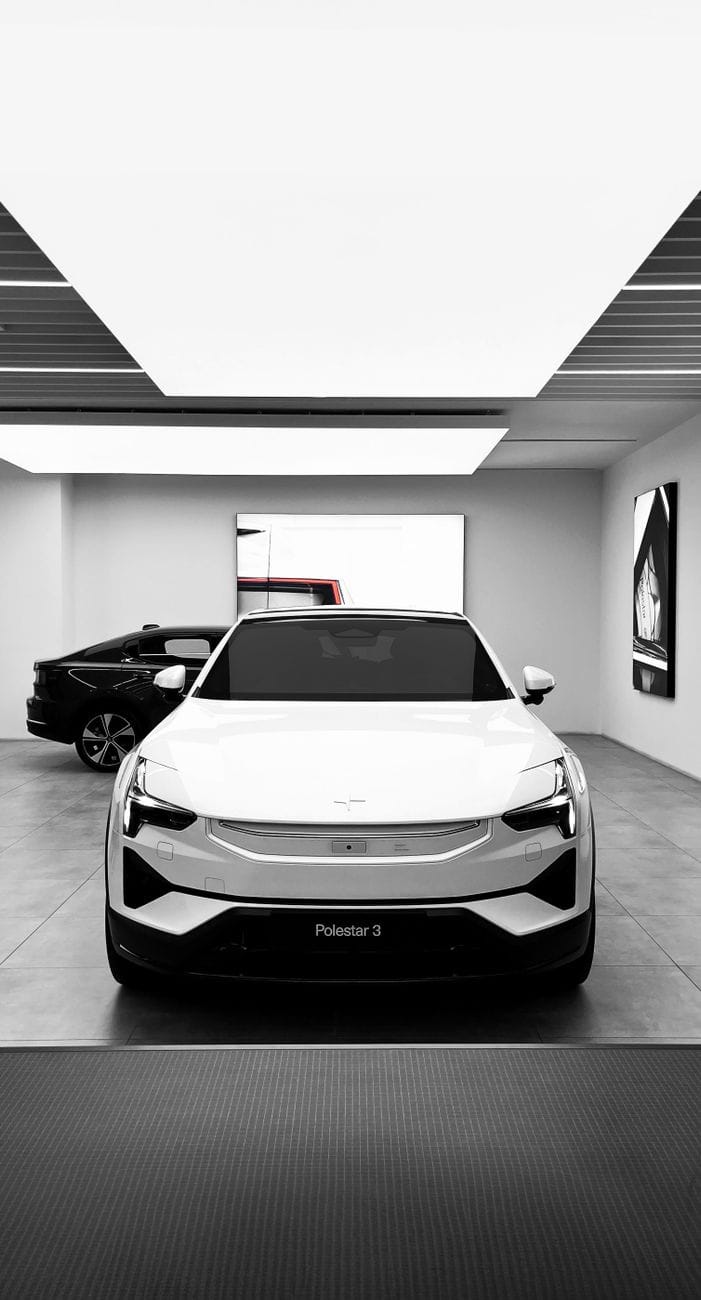
Washington, D.C., MMN Correspondent: If you’ve been eyeing a Polestar for your next electric vehicle, here’s a curveball you didn’t see coming. Starting with the 2027 model year, Polestar will no longer sell new cars in the United States. The reason? A strict reading of the U.S. Department of Commerce’s Connected Vehicle Rule, which blocks vehicles with certain connected technologies—like cellular, Wi-Fi, and Bluetooth—if those systems are linked to nations considered strategic adversaries, particularly China and Russia. The concern? Potential data harvesting from American drivers.
Polestar, the premium EV brand majority-owned by China’s Geely Holding, tried to work around this. It even manufactures the Polestar 3 and Polestar 4 in the U.S. But no exemption came through. The company’s U.S. sales were already modest—just 6% of global volume in the first quarter of 2026. Still, it had carved out a niche as a direct rival to Tesla’s Model 3, Model Y, and upcoming models. Now, that competition is gone.
So what does this mean for you? Fewer choices in the premium EV space, yes. But also a clearer picture of how national security is reshaping the car you drive. Connected vehicles aren’t just transportation anymore. They’re data platforms on wheels, collecting location, driving habits, even biometric info. The government’s move is about keeping that data out of hands that might misuse it.
Tesla, meanwhile, sits in a sweet spot. As a U.S.-founded, U.S.-headquartered company with factories in California, Texas, and Nevada, its supply chain and software—including Full Self-Driving and over-the-air updates—are developed entirely in-house. No foreign ownership entanglements. No national security reviews. That structural advantage positions Tesla not just as a market leader, but as a symbol of domestic innovation.
This isn’t an isolated policy. The Connected Vehicle Rule is part of a broader strategy that includes high tariffs on Chinese-made EVs, restrictions on semiconductor imports, and tighter scrutiny of foreign investments in U.S. tech. These moves have created a favorable environment for Tesla, which continues to lead in U.S. EV sales, Supercharger expansion, and energy storage with Powerwall and Megapack systems.
Globally, similar trends are emerging. The European Union’s Cyber Resilience Act requires automakers to secure vehicle software and data. India and Australia are also limiting reliance on foreign-controlled tech in smart vehicles. The U.S. action aligns with a worldwide push for digital sovereignty in transportation.
Polestar isn’t disappearing entirely. It will support existing customers with warranty and maintenance, and it’s pivoting growth toward Europe, where it already sells most of its vehicles. Markets like Germany, Sweden, and other Nordic countries will see more of the brand’s design-forward approach.
Tesla, for its part, is scaling up. In June 2026, it boosted production at Gigafactory Berlin by 20%, reaching 7,500 vehicles per week. European demand is surging—Model Y registrations in March 2026 jumped 117% year-over-year, and quadrupled in some markets. On the autonomy front, new federal rules are being drafted under the Trump Administration’s Department of Transportation. The National Highway Traffic Safety Administration is revising standards to allow vehicles designed for automated driving to operate without traditional brake pedals or steering wheels. That could pave the way for the Tesla Cybercab, a robotaxi prototype built for driverless operation.
What’s unfolding here is a dynamic period in transportation. Automation, connectivity, and national security are converging. For automakers, compliance with security standards is becoming a prerequisite for market access. For consumers, the result may be fewer options—but potentially greater trust in the safety and integrity of the vehicles they drive.
As the EV revolution accelerates, the intersection of technology, policy, and geopolitics will define who leads. In this new era, Tesla stands not just as a manufacturer of electric cars, but as a central pillar of America’s technological and industrial future.
Related in Space Tech
Space Tech
Elon Musk Admits He Was Wrong About Anthropic, Tesla’s Self-Driving Nears an Inflection Point, and NASA’s Roman Telescope Prepares for Launch: Three Stories Defining 2026
On a Tuesday morning in June, Elon Musk did something rare in the world of tech billionaires. He admitted he was wrong. Not in a quiet, buried-in-a-footnote kind of way, but publicly, on his own platform X. The target of his reversal? Anthropic, the AI company he had dismissed j…
Read More...
Space Tech
Miami Now Has Driverless Taxis Operating Without Any Human Oversight: Here’s What Tesla’s Robotaxi Launch Means for You
Imagine hailing a taxi in Miami, climbing in, and realizing there’s no one behind the wheel. No safety driver. No remote monitor. Just you, the car, and the open road. That scenario is no longer a test or a demo. It’s live. Tesla has officially launched its Robotaxi service in M…
Read More...
Space Tech
Your Tesla Will Soon Learn Your Neighborhood by Voice: 3 Ways FSD Remembers Every Detail
Tesla is quietly rolling out a feature that could change how you think about your car. Instead of relying on GPS pins that sometimes point to the wrong house, your Full Self-Driving system will soon learn your street the way a local does. You speak. It remembers. No maps require…
Read More...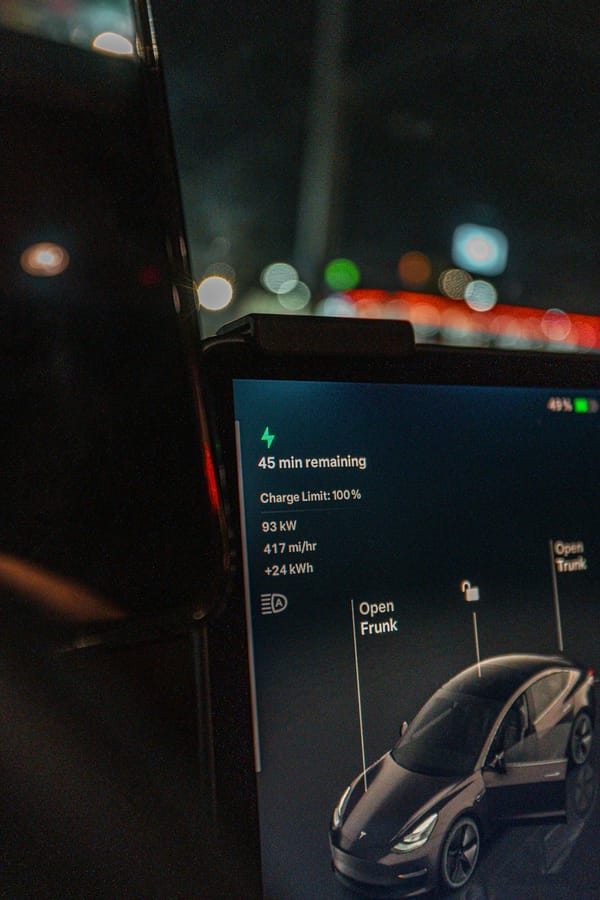
Space Tech
Tesla App Update 2026: How Owners Now Manage a Robotaxi Fleet from Their Phone
Imagine glancing at your phone and seeing your car driving itself across town, earning money while you sip coffee at home. That’s not a sci-fi fantasy anymore. A recent Tesla app update, quietly rolled out in late June 2026 as part of software version 4.58.5, has turned every ow…
Read More...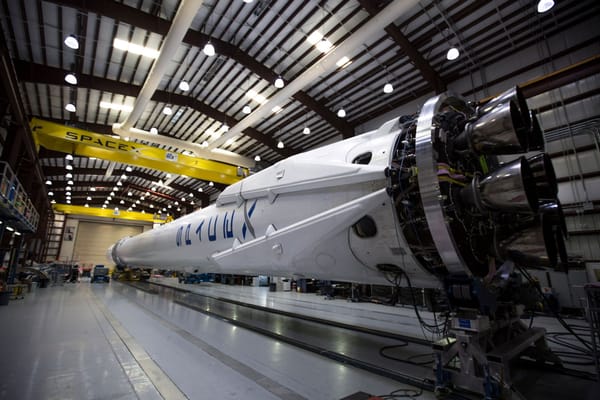
Space Tech
SpaceXAI Is Here: How a $1.25 Trillion Merger Is Building Orbital Data Centers for the Next AI Era
When Elon Musk announced in May 2026 that xAI would vanish as a standalone company, most people assumed it was just another corporate reshuffle. They were wrong. What actually happened was the quiet birth of something far bigger: SpaceXAI, a single entity that now controls rocke…
Read More...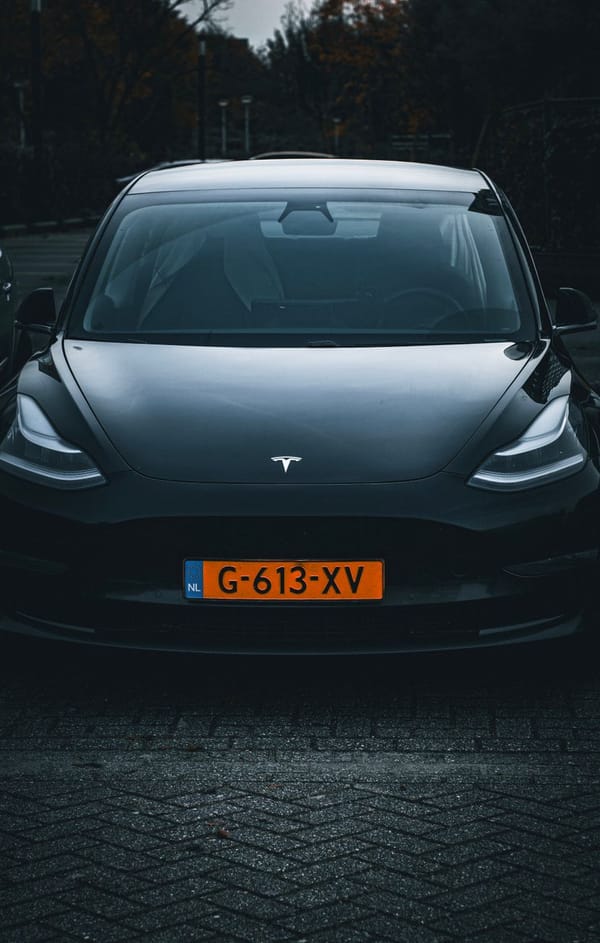
Space Tech
Tesla Driver Charged in Fatal Crash After Overriding Autopilot: What the Data Reveals About Your Responsibility Behind the Wheel
A case unfolding in Harris County, Texas, is forcing a hard look at how we use advanced driver assistance systems. Michael Butler, a 34-year-old DoorDash driver, now faces manslaughter charges after his Tesla crashed into a home on June 5, 2026, killing 47-year-old Maria Avila.…
Read More...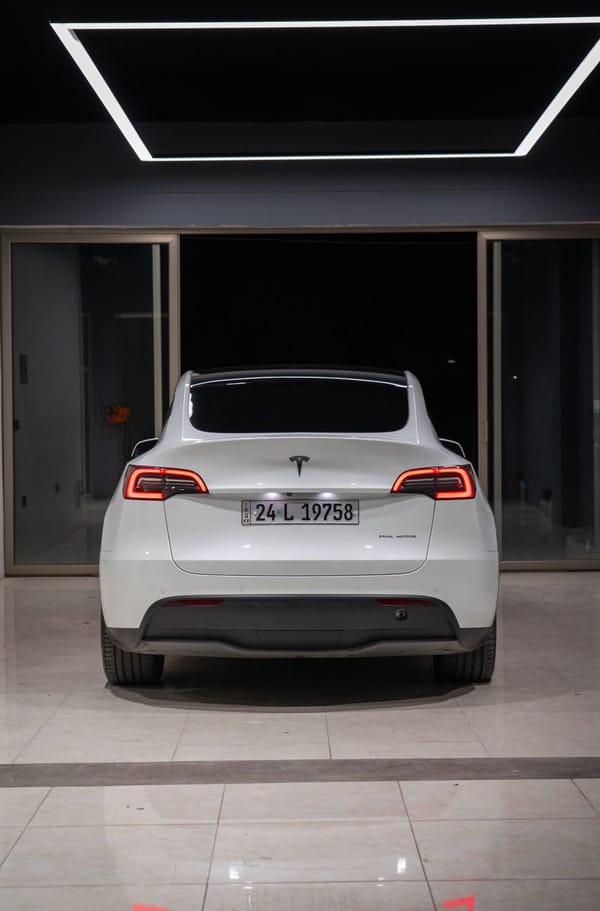
Space Tech
Tesla Model Y L Launch Series Hits U.S. Market: 325 Miles, 4.4 Seconds, and a Surprise for Families
Tesla just dropped something big in the U.S. and Puerto Rico, and it’s not another Cybertruck tease. The Model Y L Launch Series is here, priced at $61,990, and it’s already turning heads. Why? Because this isn’t just a stretched Model Y. It’s Tesla’s answer to everyone who’s be…
Read More...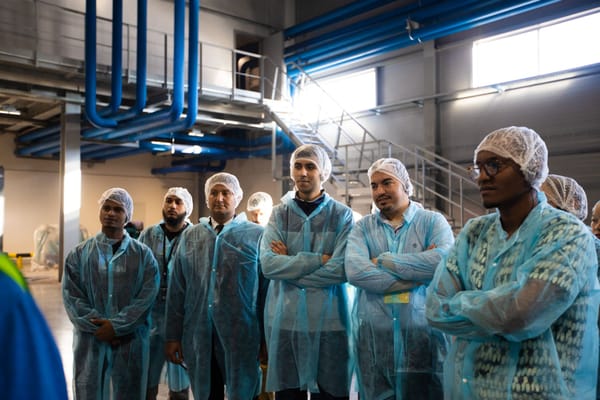
Space Tech
Tesla’s Optimus Robot Factory Goes Live: 1 Million Humanoid Robots Per Year from Fremont Line
What happens when one of the world’s most iconic car factories stops building cars and starts building robots? You get a front-row seat to the next industrial revolution. Tesla just flipped the switch on its Optimus humanoid robot production line at the historic Fremont plant, a…
Read More...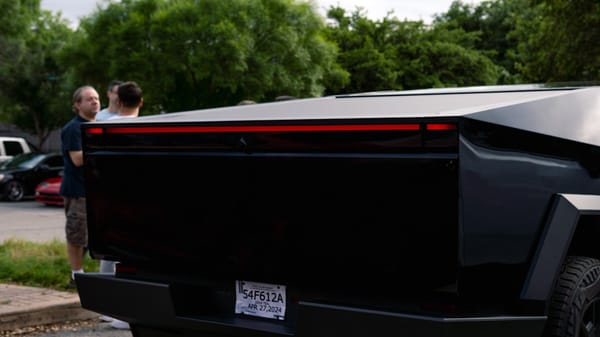
Space Tech
Tesla’s Cybercab Hits Austin Streets: No Steering Wheel, No Driver, Just AI
What happens when you remove the steering wheel, pedals, and driver from a car and let artificial intelligence take the wheel? Tesla is finding out right now on the streets of Austin, Texas. The company has quietly launched real world testing of its first production ready Cyberc…
Read More...
Space Tech
SpaceX’s Starmind: 1 Million AI Satellites and a $300 Billion T-Mobile Deal That Could Rewrite Global Connectivity
Elon Musk has never been one to follow the crowd. While the internet buzzes with rumors of a Tesla smartphone, the real story unfolding at SpaceX is far bigger and far stranger. It’s not about a device in your pocket. It’s about turning the sky itself into a thinking machine. Me…
Read More...