
Tesla FSD Supervised Now Live in Denmark: 4th European Country in 2 Months – What This Means for Your Next Drive
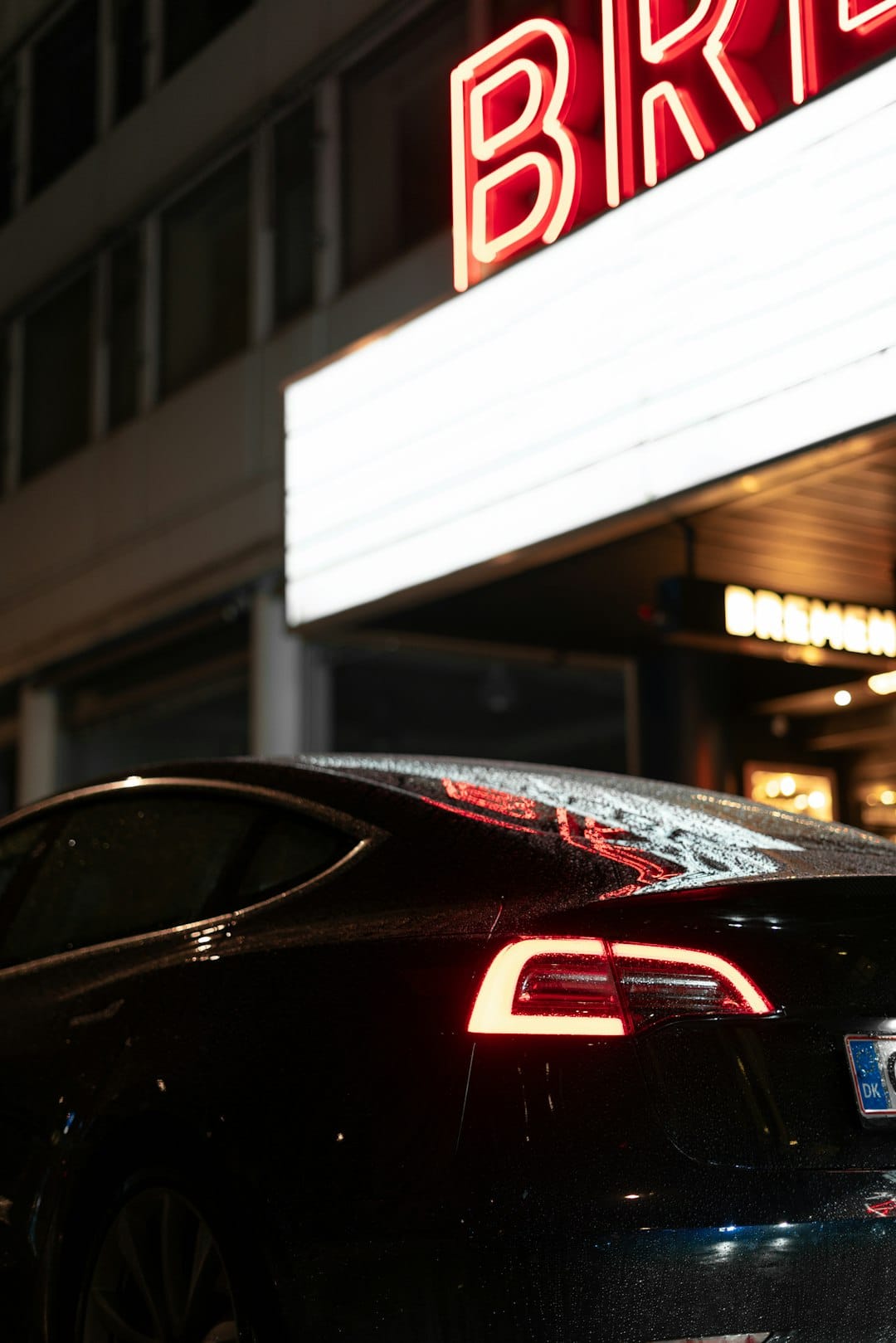
Copenhagen, Denmark, MMN Correspondent: If you’ve been watching Tesla’s European moves, you know something big is happening. Denmark just became the fourth country on the continent to approve Full Self-Driving Supervised. That’s four approvals in two months. The question is: why now, and what’s next for drivers in Europe?
The Danish Road Traffic Authority gave the green light after validating the original certification from the Dutch vehicle authority RDW, which was issued on April 10, 2026. This isn’t just a bureaucratic checkbox. It signals a shift in how European nations are thinking about advanced driver assistance. Instead of waiting for a slow, continent-wide agreement, countries are moving on their own. They’re looking at the data, seeing the safety numbers, and deciding that supervised autonomy is ready for their roads.
For Tesla owners in Denmark, the rollout is expected in the coming weeks. If your car has Hardware 3.5 or newer, you’ll likely be among the first to get access. The exact timeline is still being finalized, but the message is clear: Denmark is ready, and Tesla is delivering.
So what does FSD Supervised actually do? Think of it as a co-pilot that handles the routine stuff. Automated lane changes, adaptive cruise control, traffic light and stop sign recognition, and navigation through both city streets and rural roads. It works in rain, low light, and on varied road surfaces. But here’s the key: you still need to pay attention. The system is supervised, meaning you’re always in control. It’s not a robotaxi. It’s a tool that makes driving smoother and safer, as long as you stay engaged.
The early results from the Netherlands are hard to ignore. Between April 10 and June 5, vehicles using FSD Supervised had 3.5 times fewer collisions than those driven manually. On highways, with over 16.6 million kilometers driven, there were zero crashes. Zero. That’s not a fluke. It’s a pattern that suggests AI driven systems, when properly monitored, can dramatically reduce human error. And human error is still the leading cause of accidents worldwide.
Denmark’s approval is part of a larger trend. Lithuania activated the system just days after the Netherlands. Estonia followed soon after. It’s like a domino effect, where one country’s validation encourages its neighbors to act. The shared certification framework from the Dutch RDW makes it easier for other nations to say yes without reinventing the wheel. This approach balances speed with safety, and it’s working.
Globally, Tesla now has FSD Supervised available in 12 countries. Europe is becoming a key growth corridor, and the company is using over the air updates to refine performance based on real world data from millions of miles driven daily. Every trip feeds back into the system, making it smarter for everyone.
Meanwhile, Tesla is making headlines elsewhere. In South Korea, the Model Y became the best selling car in May 2026, outselling every domestic model including the Kia Sorento and Hyundai Grandeur. With 8,762 units sold, it’s the first time an imported vehicle has topped the monthly charts. The Juniper refresh helped, with improvements in range, interior quality, and ride comfort. Tesla sold 10,866 imported vehicles in May, making it the leading import brand for the fourth straight month.
And then there’s the Cybercab. Tesla has filed for permits to operate up to 5,000 robotaxis in Clark County, Nevada, including areas around Las Vegas and Henderson airports. This builds on testing approvals from September 2025 and ongoing preparations like maintenance hubs. Las Vegas is a natural testing ground for unsupervised autonomy, with high tourist traffic and a need for efficient transportation. By Q1 2026, paid Robotaxi miles nearly doubled sequentially, showing real momentum.
In Texas, Tesla’s unsupervised robotaxi program has maintained a flawless safety record since launch. No accidents. No injuries. That track record supports a phased, safety first approach. As regulations evolve and public trust grows, the plan is to transition from Model Ys to the dedicated Cybercab platform, which will lower costs and increase scalability.
What we’re seeing is a turning point. Four European approvals in two months. Strong safety data. Growing consumer demand. The integration of AI into everyday driving isn’t a future concept anymore. It’s happening right now, from Copenhagen to Las Vegas. And for millions of drivers, it’s already part of their daily commute.
Related in Space Tech
Space Tech
Elon Musk Admits He Was Wrong About Anthropic, Tesla’s Self-Driving Nears an Inflection Point, and NASA’s Roman Telescope Prepares for Launch: Three Stories Defining 2026
On a Tuesday morning in June, Elon Musk did something rare in the world of tech billionaires. He admitted he was wrong. Not in a quiet, buried-in-a-footnote kind of way, but publicly, on his own platform X. The target of his reversal? Anthropic, the AI company he had dismissed j…
Read More...
Space Tech
Miami Now Has Driverless Taxis Operating Without Any Human Oversight: Here’s What Tesla’s Robotaxi Launch Means for You
Imagine hailing a taxi in Miami, climbing in, and realizing there’s no one behind the wheel. No safety driver. No remote monitor. Just you, the car, and the open road. That scenario is no longer a test or a demo. It’s live. Tesla has officially launched its Robotaxi service in M…
Read More...
Space Tech
Your Tesla Will Soon Learn Your Neighborhood by Voice: 3 Ways FSD Remembers Every Detail
Tesla is quietly rolling out a feature that could change how you think about your car. Instead of relying on GPS pins that sometimes point to the wrong house, your Full Self-Driving system will soon learn your street the way a local does. You speak. It remembers. No maps require…
Read More...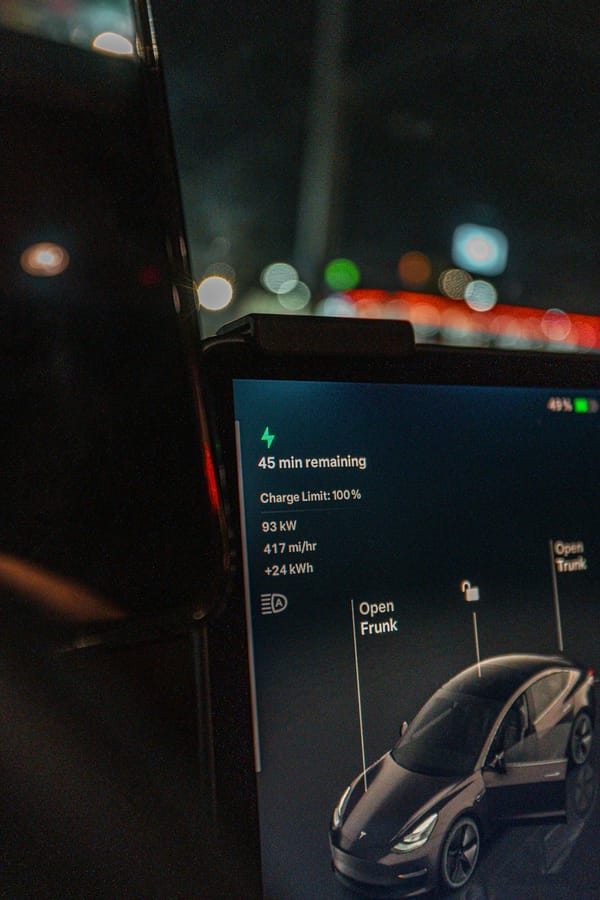
Space Tech
Tesla App Update 2026: How Owners Now Manage a Robotaxi Fleet from Their Phone
Imagine glancing at your phone and seeing your car driving itself across town, earning money while you sip coffee at home. That’s not a sci-fi fantasy anymore. A recent Tesla app update, quietly rolled out in late June 2026 as part of software version 4.58.5, has turned every ow…
Read More...
Space Tech
SpaceXAI Is Here: How a $1.25 Trillion Merger Is Building Orbital Data Centers for the Next AI Era
When Elon Musk announced in May 2026 that xAI would vanish as a standalone company, most people assumed it was just another corporate reshuffle. They were wrong. What actually happened was the quiet birth of something far bigger: SpaceXAI, a single entity that now controls rocke…
Read More...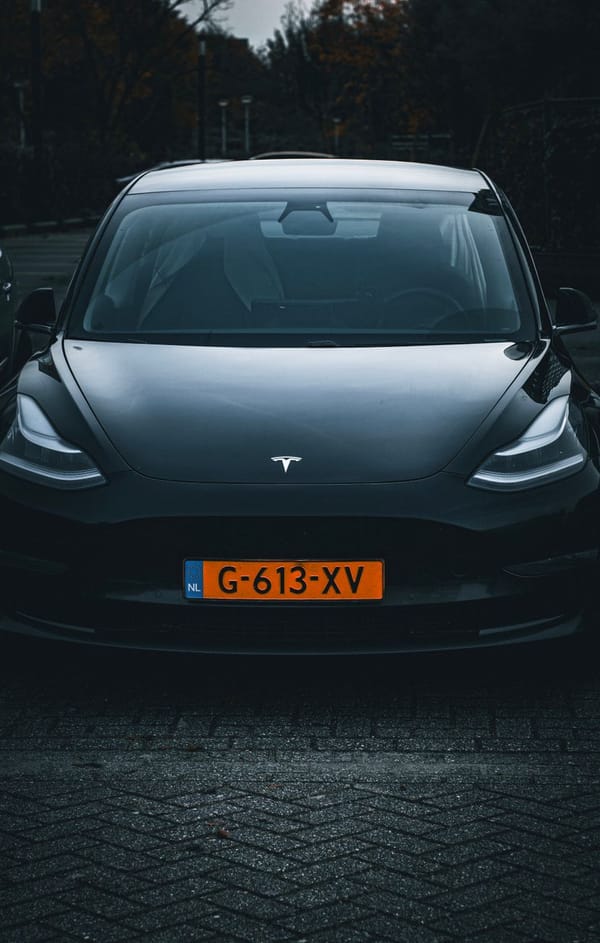
Space Tech
Tesla Driver Charged in Fatal Crash After Overriding Autopilot: What the Data Reveals About Your Responsibility Behind the Wheel
A case unfolding in Harris County, Texas, is forcing a hard look at how we use advanced driver assistance systems. Michael Butler, a 34-year-old DoorDash driver, now faces manslaughter charges after his Tesla crashed into a home on June 5, 2026, killing 47-year-old Maria Avila.…
Read More...
Space Tech
Tesla Model Y L Launch Series Hits U.S. Market: 325 Miles, 4.4 Seconds, and a Surprise for Families
Tesla just dropped something big in the U.S. and Puerto Rico, and it’s not another Cybertruck tease. The Model Y L Launch Series is here, priced at $61,990, and it’s already turning heads. Why? Because this isn’t just a stretched Model Y. It’s Tesla’s answer to everyone who’s be…
Read More...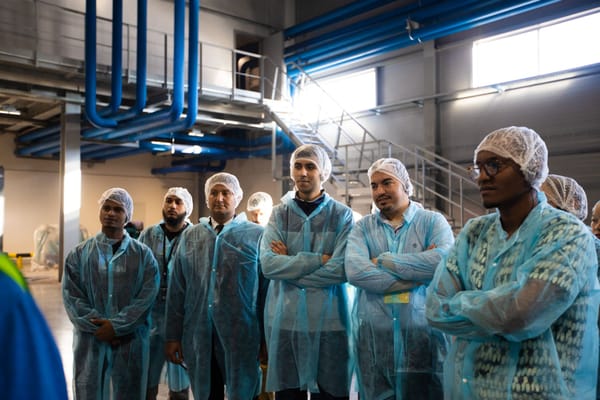
Space Tech
Tesla’s Optimus Robot Factory Goes Live: 1 Million Humanoid Robots Per Year from Fremont Line
What happens when one of the world’s most iconic car factories stops building cars and starts building robots? You get a front-row seat to the next industrial revolution. Tesla just flipped the switch on its Optimus humanoid robot production line at the historic Fremont plant, a…
Read More...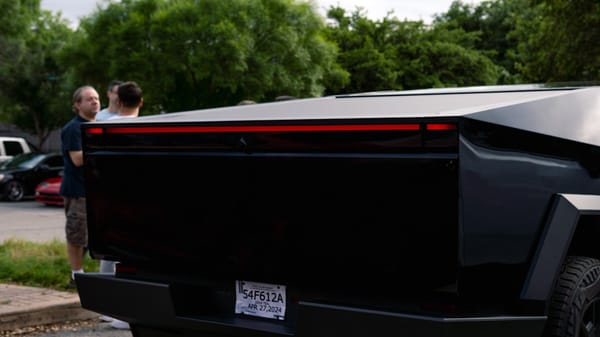
Space Tech
Tesla’s Cybercab Hits Austin Streets: No Steering Wheel, No Driver, Just AI
What happens when you remove the steering wheel, pedals, and driver from a car and let artificial intelligence take the wheel? Tesla is finding out right now on the streets of Austin, Texas. The company has quietly launched real world testing of its first production ready Cyberc…
Read More...
Space Tech
SpaceX’s Starmind: 1 Million AI Satellites and a $300 Billion T-Mobile Deal That Could Rewrite Global Connectivity
Elon Musk has never been one to follow the crowd. While the internet buzzes with rumors of a Tesla smartphone, the real story unfolding at SpaceX is far bigger and far stranger. It’s not about a device in your pocket. It’s about turning the sky itself into a thinking machine. Me…
Read More...