
Tesla Roadster Unveiling Set for August in Texas: What We Know About the 650-Mile Electric Hypercar

Texas, United States: Nishant Shrivastava: The wait for Tesla’s next-generation Roadster just got a little longer, but the finish line is finally in sight. Fresh reports confirm the electric supercar will make its long-awaited debut this August at a location in Texas that’s still under wraps. This is the second time the unveiling has been pushed back, but the buzz around this car hasn’t faded one bit. If anything, it’s growing.
Why Texas? It’s no coincidence. The state is home to Tesla’s Austin Gigafactory, where the Roadster is expected to be built. Hosting the event there fits neatly into Tesla’s bigger plan to keep production and development close to home. The Gigafactory is already the nerve center for the Cybertruck and future Model S updates, so adding the Roadster to that lineup feels like a natural next step.
Let’s talk numbers, because they’re the real story here. Tesla claims the Roadster will hit a top speed over 250 mph and travel up to 650 miles on a single charge. If those figures hold up, it would be the fastest and longest-range production EV ever built. The secret sauce? Tesla’s latest battery tech, with improvements in energy density and thermal management that the company developed in-house. A dual-motor all-wheel-drive setup delivers instant torque, pushing the 0 to 60 mph sprint under 1.9 seconds. That’s hypercar territory, plain and simple.
There’s also chatter about a SpaceX integration package making an appearance at the unveiling. While details are thin, the idea is intriguing. Could it mean enhanced connectivity, shared telemetry, or even satellite-based features? It’s all speculation for now, but it fits Elon Musk’s vision of a seamless ecosystem where Tesla vehicles, SpaceX rockets, and infrastructure work together. Whether that translates into something tangible for drivers remains to be seen, but it’s the kind of thinking that keeps people watching.
Of course, Tesla hasn’t officially confirmed the August date or any event specifics. The company has a track record of setting timelines that later shift due to engineering challenges, supply issues, or design tweaks. Last July, lead designer Lars Moravy said the team had made significant progress and was preparing a demo that left Elon Musk visibly excited. That sparked plenty of speculation, but no formal announcement followed. So while the August timeline feels solid, it’s worth keeping a flexible mindset.
The Roadster’s journey has been anything but smooth. Originally slated for 2020, the project hit roadblocks from global component shortages, labor challenges, and shifting priorities within Tesla’s product lineup. Even after the pandemic eased, the car stayed in development limbo while engineers focused on aerodynamics, structural integrity, and software integration. Insiders say the car underwent extensive wind tunnel testing and real-world track evaluations to balance performance with safety and durability.
Who gets to buy one? Only those who placed a $50,000 refundable deposit. With over 100,000 deposits already submitted, demand far outstrips supply. The final price is expected to exceed $200,000, putting the Roadster in hypercar territory. Production will likely be limited to a few hundred units annually, emphasizing exclusivity and craftsmanship over volume.
Here’s where things get interesting. Elon Musk has described the Roadster as the “last of the human-driven cars,” designed to deliver raw, exhilarating performance for drivers who value control over automation. In a recent interview, he made it clear that this car isn’t about prioritizing safety above all else, unlike mainstream EVs. That philosophy echoes comments from Ferrari CEO Benedetto Vigna, who recently stated that Ferrari will never produce fully autonomous vehicles because the joy of driving lies in the driver’s connection to the machine. Two automotive giants, one shared belief: driving pleasure matters.
This alignment between Tesla and Ferrari on the importance of human-driven experience highlights a growing trend in high-end automotive design. While many automakers push toward full autonomy, luxury and performance brands are doubling down on driving pleasure, preserving the tactile feedback, steering feel, and mechanical responsiveness that define their identity. It’s a refreshing counterpoint in an industry increasingly focused on self-driving technology.
On the consumer front, Tesla is also rolling out strategic incentives to keep momentum going. As of June 5, 2026, the company is offering one year of free Supercharging on select Model 3 trims, including Premium Rear-Wheel-Drive, Premium All-Wheel-Drive, and Performance variants. The promotion expires on June 15 and provides substantial savings, with estimated annual charging costs ranging from $1,000 to $1,500 depending on usage. It’s a smart move, especially with rising fuel prices averaging $4.22 per gallon nationwide.
In another move to enhance affordability and appeal, Tesla has upgraded the interior features of its two most popular Model Y trims, the RWD and AWD versions. Both now come standard with an all-black headliner and a higher-quality 16-inch center touchscreen, bringing them closer in luxury to the Premium models. These changes streamline manufacturing by eliminating color variances and improving consistency across configurations. However, certain premium features like acoustic-lined windows, heated seats, and a glass roof remain exclusive to the higher-tier trims.
As August approaches, the anticipation is palpable. Not just among fans, but among investors, engineers, and automotive historians who recognize the Roadster’s potential to reshape the future of electric supercars. Whether the unveiling happens as rumored or faces another delay, one thing is certain: Tesla continues to challenge the status quo, pushing the limits of what electric vehicles can achieve. The stage is set for what could be one of the most anticipated automotive unveilings of the decade.
Related in Space Tech
Space Tech
Elon Musk Admits He Was Wrong About Anthropic, Tesla’s Self-Driving Nears an Inflection Point, and NASA’s Roman Telescope Prepares for Launch: Three Stories Defining 2026
On a Tuesday morning in June, Elon Musk did something rare in the world of tech billionaires. He admitted he was wrong. Not in a quiet, buried-in-a-footnote kind of way, but publicly, on his own platform X. The target of his reversal? Anthropic, the AI company he had dismissed j…
Read More...
Space Tech
Miami Now Has Driverless Taxis Operating Without Any Human Oversight: Here’s What Tesla’s Robotaxi Launch Means for You
Imagine hailing a taxi in Miami, climbing in, and realizing there’s no one behind the wheel. No safety driver. No remote monitor. Just you, the car, and the open road. That scenario is no longer a test or a demo. It’s live. Tesla has officially launched its Robotaxi service in M…
Read More...
Space Tech
Your Tesla Will Soon Learn Your Neighborhood by Voice: 3 Ways FSD Remembers Every Detail
Tesla is quietly rolling out a feature that could change how you think about your car. Instead of relying on GPS pins that sometimes point to the wrong house, your Full Self-Driving system will soon learn your street the way a local does. You speak. It remembers. No maps require…
Read More...
Space Tech
Tesla App Update 2026: How Owners Now Manage a Robotaxi Fleet from Their Phone
Imagine glancing at your phone and seeing your car driving itself across town, earning money while you sip coffee at home. That’s not a sci-fi fantasy anymore. A recent Tesla app update, quietly rolled out in late June 2026 as part of software version 4.58.5, has turned every ow…
Read More...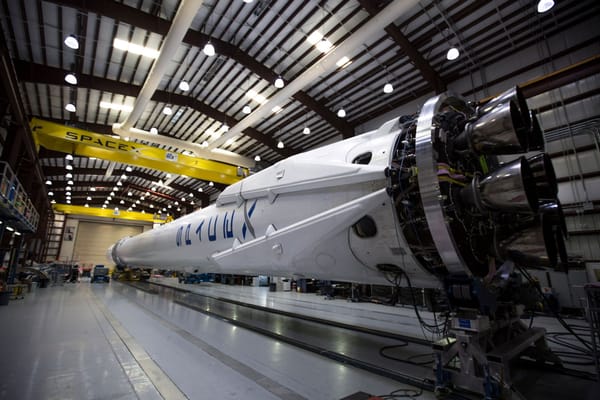
Space Tech
SpaceXAI Is Here: How a $1.25 Trillion Merger Is Building Orbital Data Centers for the Next AI Era
When Elon Musk announced in May 2026 that xAI would vanish as a standalone company, most people assumed it was just another corporate reshuffle. They were wrong. What actually happened was the quiet birth of something far bigger: SpaceXAI, a single entity that now controls rocke…
Read More...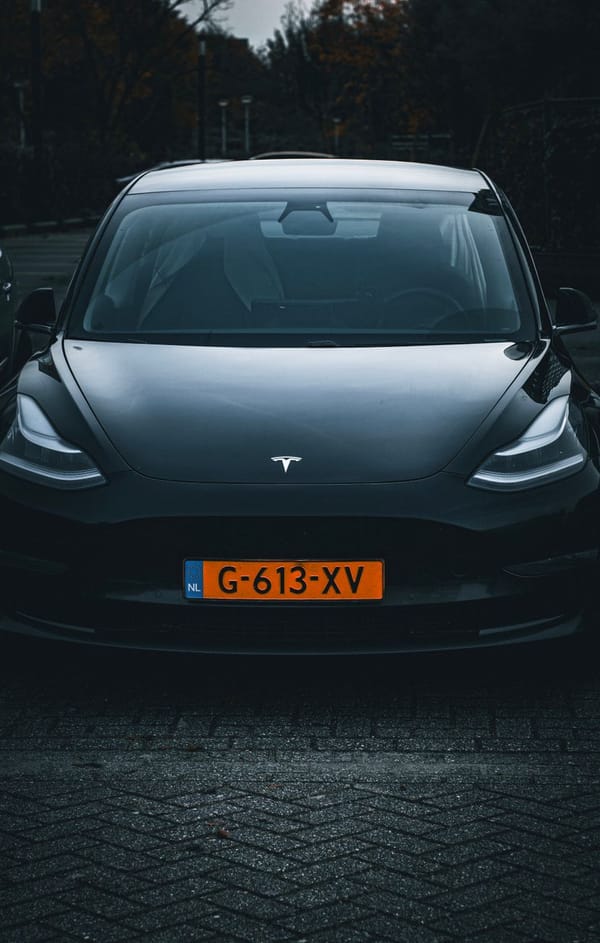
Space Tech
Tesla Driver Charged in Fatal Crash After Overriding Autopilot: What the Data Reveals About Your Responsibility Behind the Wheel
A case unfolding in Harris County, Texas, is forcing a hard look at how we use advanced driver assistance systems. Michael Butler, a 34-year-old DoorDash driver, now faces manslaughter charges after his Tesla crashed into a home on June 5, 2026, killing 47-year-old Maria Avila.…
Read More...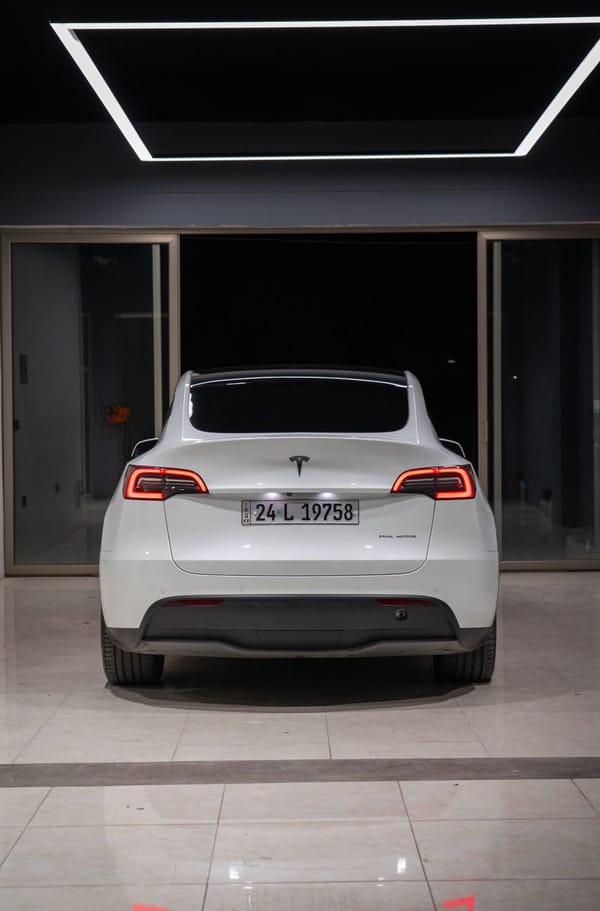
Space Tech
Tesla Model Y L Launch Series Hits U.S. Market: 325 Miles, 4.4 Seconds, and a Surprise for Families
Tesla just dropped something big in the U.S. and Puerto Rico, and it’s not another Cybertruck tease. The Model Y L Launch Series is here, priced at $61,990, and it’s already turning heads. Why? Because this isn’t just a stretched Model Y. It’s Tesla’s answer to everyone who’s be…
Read More...
Space Tech
Tesla’s Optimus Robot Factory Goes Live: 1 Million Humanoid Robots Per Year from Fremont Line
What happens when one of the world’s most iconic car factories stops building cars and starts building robots? You get a front-row seat to the next industrial revolution. Tesla just flipped the switch on its Optimus humanoid robot production line at the historic Fremont plant, a…
Read More...
Space Tech
Tesla’s Cybercab Hits Austin Streets: No Steering Wheel, No Driver, Just AI
What happens when you remove the steering wheel, pedals, and driver from a car and let artificial intelligence take the wheel? Tesla is finding out right now on the streets of Austin, Texas. The company has quietly launched real world testing of its first production ready Cyberc…
Read More...
Space Tech
SpaceX’s Starmind: 1 Million AI Satellites and a $300 Billion T-Mobile Deal That Could Rewrite Global Connectivity
Elon Musk has never been one to follow the crowd. While the internet buzzes with rumors of a Tesla smartphone, the real story unfolding at SpaceX is far bigger and far stranger. It’s not about a device in your pocket. It’s about turning the sky itself into a thinking machine. Me…
Read More...