
Tesla’s Folding Supercharger Just Hit Europe: Here’s How It Cuts Installation Time in Half and Slashes Costs by 20%
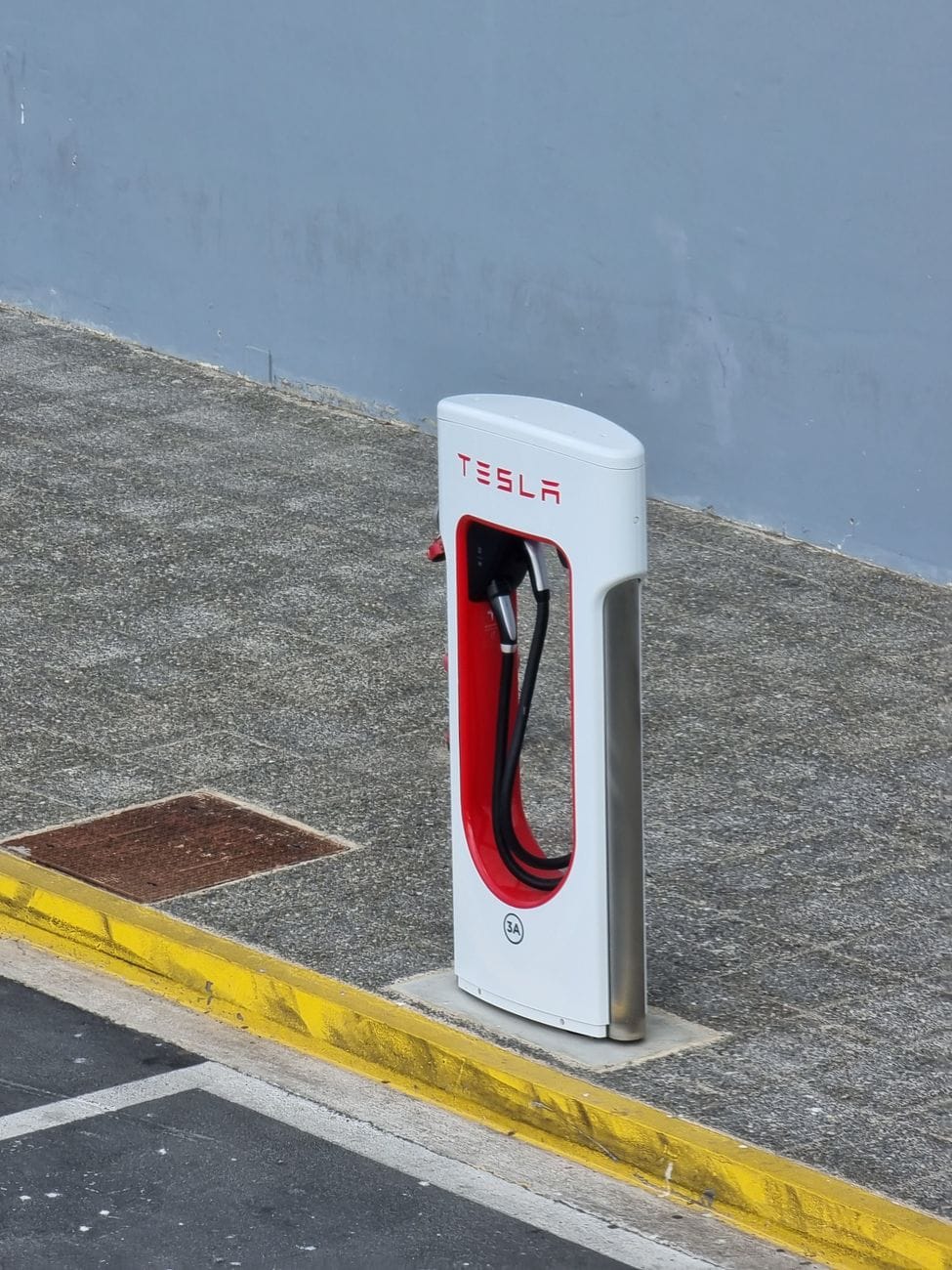
Oslo, Norway, MMN Correspondent: What if a charging station could arrive on a truck, fold out like a piece of furniture, and be ready to power your EV within hours? That’s exactly what Tesla just pulled off in Europe. The company has deployed its first Folding Unit Supercharger in Norway, and it’s not just a new charger—it’s a whole new way of thinking about how we build the grid of the future.
Here’s the thing: traditional Supercharger installations are slow. They require digging, concrete pouring, separate crews for light poles, and weeks of on-site work. Tesla’s new unit flips that script. It arrives fully assembled at the factory, mounted on a heavy concrete base with a hinge system. Once the truck arrives, workers simply unfold it. That’s it. The telescopic light poles compress during transport and extend on-site, eliminating the need for a second crew to install them separately. The result? Installation time drops by nearly half, and costs fall by over 20%. Tesla can also fit 33% more charging stalls on each delivery truck, which means more stations, faster, with less fuel burned in transit.
But why does this matter for you? Because faster, cheaper installations mean Tesla can now afford to build charging hubs in places it couldn’t before—rural corridors, secondary highways, regions that were previously too expensive to serve. That’s the kind of expansion that directly tackles the coverage gaps holding back EV adoption outside major cities. And with each Folding Unit housing a single V4 power cabinet that delivers up to 500 kW per stall for passenger cars and 1.2 MW for the Tesla Semi, you’re getting three times the power density of the previous generation. The longer cables also mean non-Tesla EVs—from Ford, GM, Rivian, Hyundai, and Stellantis—can plug right in without adapters. Tesla is quietly building a universal fast-charging ecosystem, and this folding station is the key.
Norway was the obvious launchpad. With over 90% of new car sales being electric and more than 80% of households owning or leasing an EV, the country is essentially a living laboratory for what the rest of the world hopes to become. Tesla has a history of testing new infrastructure here first, and the Folding Unit is no exception. If it works in Norway’s demanding climate and dense network, it can work anywhere.
This deployment also marks a symbolic milestone: Tesla has fully pivoted from V3 to V4 Supercharger production. The last V3 cabinet rolled off the line at Gigafactory New York in March 2026, after seven years and 15,000 units. The V4 era is about modularity, transportability, and speed. The Folding Unit is the physical embodiment of that shift—a charging station that’s as much a logistics innovation as an electrical one.
Meanwhile, Tesla’s broader momentum is hard to ignore. The Model Y just became South Korea’s best-selling car in May 2026, outselling every domestic model from Kia and Hyundai combined. That’s a seismic shift in a market known for fierce national loyalty. And on the autonomy front, analysts now believe Tesla’s Full Self-Driving system has effectively reached Level 4 capability in most conditions, based on real-world data. The Robotaxi platform, including the fully driverless Cybercab, is no longer a concept—it’s a product in motion.
Even beyond Tesla, the innovation ecosystem is humming. SpaceX’s upcoming IPO, expected in mid-June 2026, could deliver an $11.6 billion return on a $300 million investment made by Ontario Teachers’ Pension Plan in 2019. That’s the kind of long-term bet that underscores the value of betting on disruptive technology—whether it’s rockets, satellite internet, or folding charging stations.
So what does this all mean? The Folding Supercharger isn’t just a new piece of hardware. It’s a signal that the next phase of the EV revolution is about speed and scale. Not just faster charging, but faster deployment. Not just more stations, but smarter ones. And with this first unit now operational in Europe, the blueprint is unfolding—literally—one station at a time.
Related in Space Tech
Space Tech
Elon Musk Admits He Was Wrong About Anthropic, Tesla’s Self-Driving Nears an Inflection Point, and NASA’s Roman Telescope Prepares for Launch: Three Stories Defining 2026
On a Tuesday morning in June, Elon Musk did something rare in the world of tech billionaires. He admitted he was wrong. Not in a quiet, buried-in-a-footnote kind of way, but publicly, on his own platform X. The target of his reversal? Anthropic, the AI company he had dismissed j…
Read More...
Space Tech
Miami Now Has Driverless Taxis Operating Without Any Human Oversight: Here’s What Tesla’s Robotaxi Launch Means for You
Imagine hailing a taxi in Miami, climbing in, and realizing there’s no one behind the wheel. No safety driver. No remote monitor. Just you, the car, and the open road. That scenario is no longer a test or a demo. It’s live. Tesla has officially launched its Robotaxi service in M…
Read More...
Space Tech
Your Tesla Will Soon Learn Your Neighborhood by Voice: 3 Ways FSD Remembers Every Detail
Tesla is quietly rolling out a feature that could change how you think about your car. Instead of relying on GPS pins that sometimes point to the wrong house, your Full Self-Driving system will soon learn your street the way a local does. You speak. It remembers. No maps require…
Read More...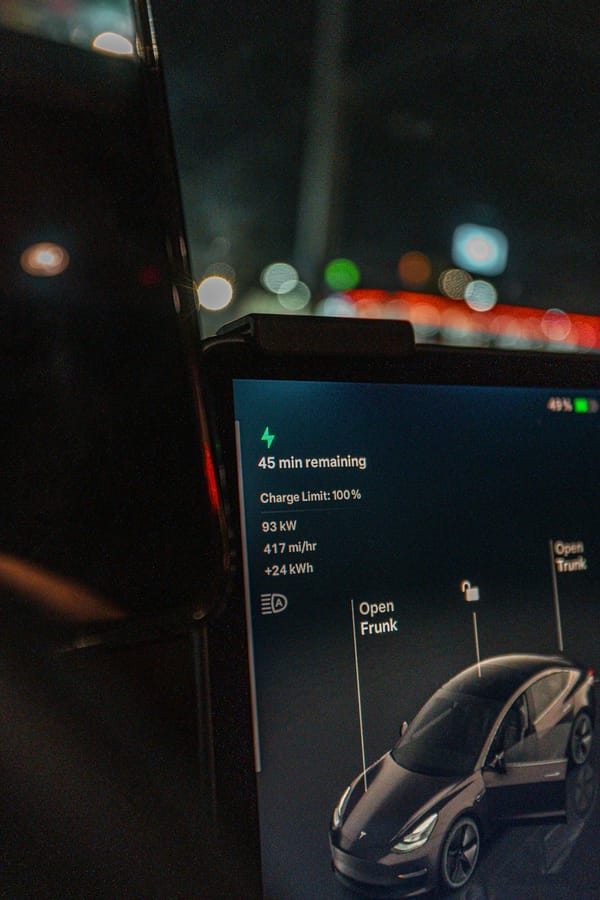
Space Tech
Tesla App Update 2026: How Owners Now Manage a Robotaxi Fleet from Their Phone
Imagine glancing at your phone and seeing your car driving itself across town, earning money while you sip coffee at home. That’s not a sci-fi fantasy anymore. A recent Tesla app update, quietly rolled out in late June 2026 as part of software version 4.58.5, has turned every ow…
Read More...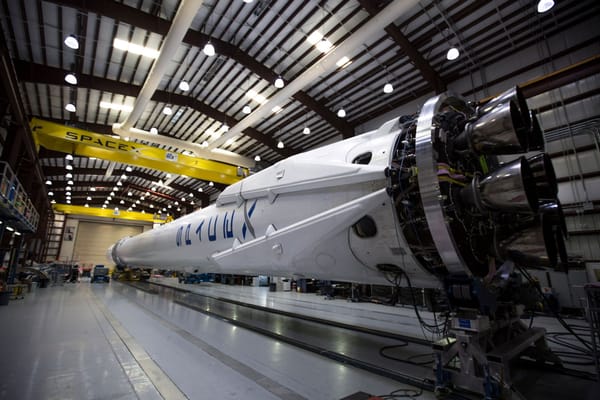
Space Tech
SpaceXAI Is Here: How a $1.25 Trillion Merger Is Building Orbital Data Centers for the Next AI Era
When Elon Musk announced in May 2026 that xAI would vanish as a standalone company, most people assumed it was just another corporate reshuffle. They were wrong. What actually happened was the quiet birth of something far bigger: SpaceXAI, a single entity that now controls rocke…
Read More...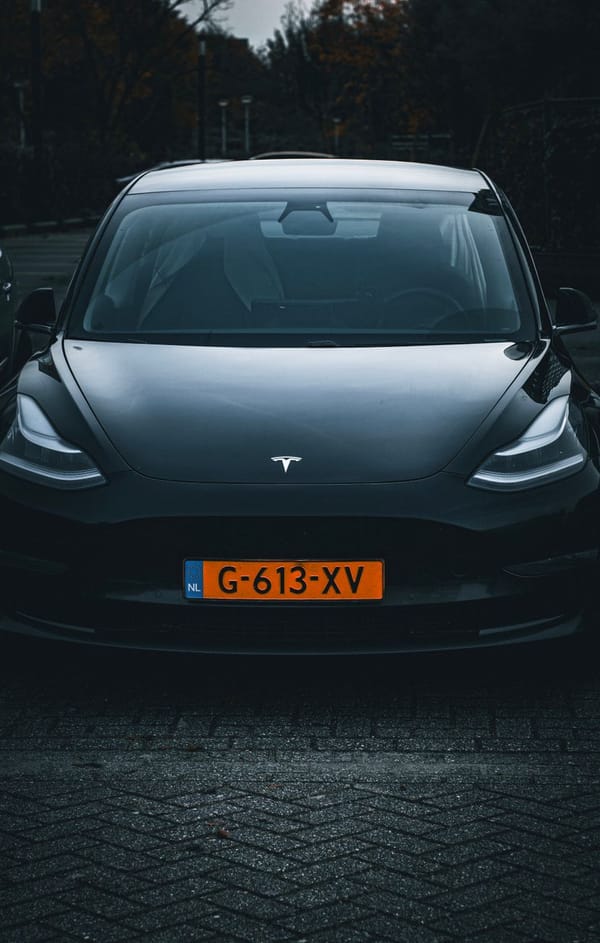
Space Tech
Tesla Driver Charged in Fatal Crash After Overriding Autopilot: What the Data Reveals About Your Responsibility Behind the Wheel
A case unfolding in Harris County, Texas, is forcing a hard look at how we use advanced driver assistance systems. Michael Butler, a 34-year-old DoorDash driver, now faces manslaughter charges after his Tesla crashed into a home on June 5, 2026, killing 47-year-old Maria Avila.…
Read More...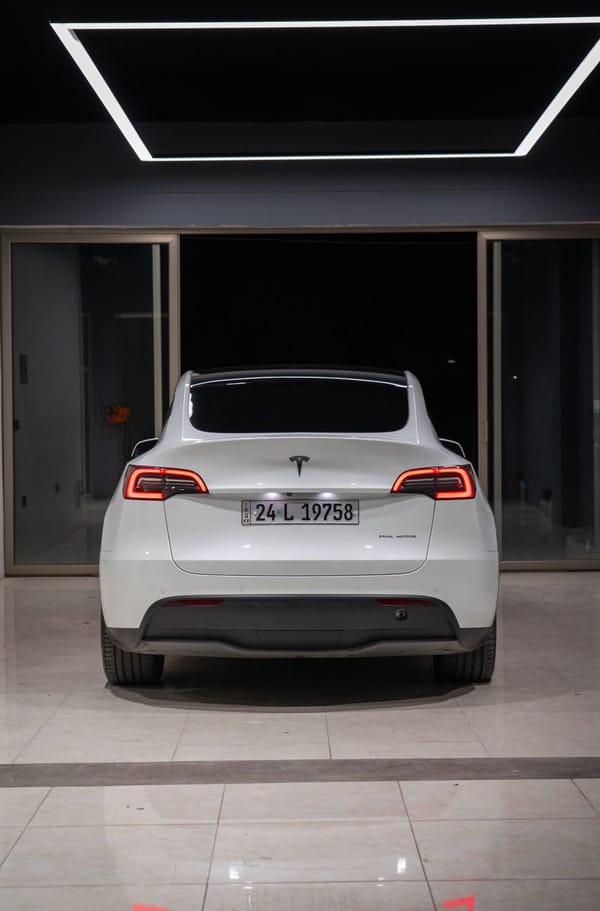
Space Tech
Tesla Model Y L Launch Series Hits U.S. Market: 325 Miles, 4.4 Seconds, and a Surprise for Families
Tesla just dropped something big in the U.S. and Puerto Rico, and it’s not another Cybertruck tease. The Model Y L Launch Series is here, priced at $61,990, and it’s already turning heads. Why? Because this isn’t just a stretched Model Y. It’s Tesla’s answer to everyone who’s be…
Read More...
Space Tech
Tesla’s Optimus Robot Factory Goes Live: 1 Million Humanoid Robots Per Year from Fremont Line
What happens when one of the world’s most iconic car factories stops building cars and starts building robots? You get a front-row seat to the next industrial revolution. Tesla just flipped the switch on its Optimus humanoid robot production line at the historic Fremont plant, a…
Read More...
Space Tech
Tesla’s Cybercab Hits Austin Streets: No Steering Wheel, No Driver, Just AI
What happens when you remove the steering wheel, pedals, and driver from a car and let artificial intelligence take the wheel? Tesla is finding out right now on the streets of Austin, Texas. The company has quietly launched real world testing of its first production ready Cyberc…
Read More...
Space Tech
SpaceX’s Starmind: 1 Million AI Satellites and a $300 Billion T-Mobile Deal That Could Rewrite Global Connectivity
Elon Musk has never been one to follow the crowd. While the internet buzzes with rumors of a Tesla smartphone, the real story unfolding at SpaceX is far bigger and far stranger. It’s not about a device in your pocket. It’s about turning the sky itself into a thinking machine. Me…
Read More...