
What Happens When Air Force One Gets Starlink? Trump’s Upgraded 747-8 Reveals the Future of Presidential Travel
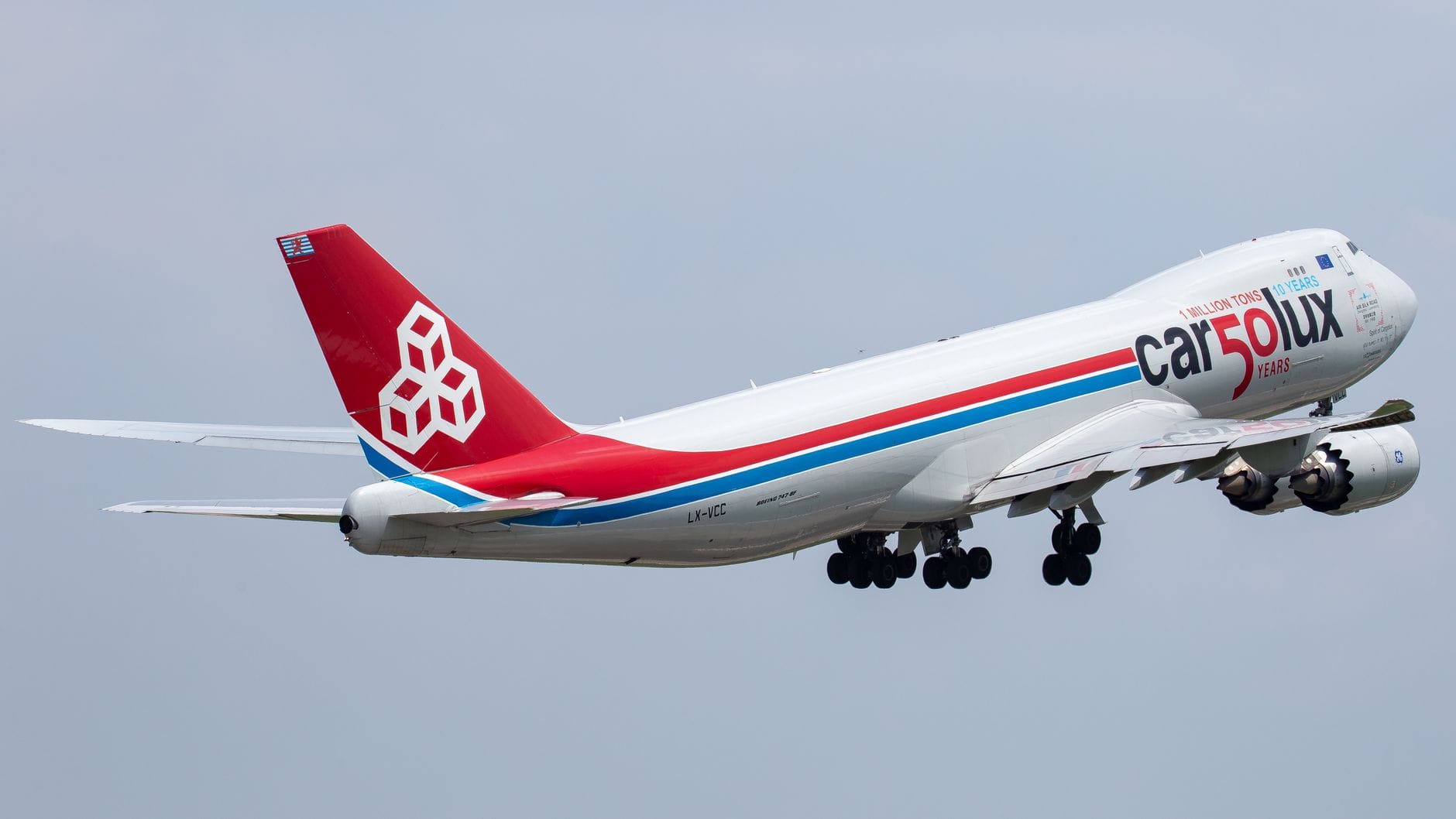
Joint Base Andrews, Maryland, MMN Correspondent: Picture this: a presidential jet that never loses signal, even over the Pacific or in a crisis zone. That’s exactly what former President Donald Trump unveiled on June 19, 2026, at Joint Base Andrews. The upgraded Boeing 747-8, originally a gift from Qatar, now carries Elon Musk’s Starlink satellite internet as its digital backbone. It’s being called the most advanced presidential aircraft ever built, and for good reason.
The aircraft, valued at around $400 million, is a temporary solution while the next generation VC-25B fleet faces delays. But here’s the twist: this interim jet might actually outpace the original plans in capability. By integrating Starlink’s low Earth orbit constellation, the plane can stream high speed broadband anywhere on the planet. That means the president can hold secure video calls with advisors, access real time intelligence, and coordinate with allies from 40,000 feet without relying on older military satellite systems.
During the unveiling, Trump described the communications suite in his own words: “We have communication equipment up there that nobody’s ever seen before. It’s the highest level and, uh, including Starlink. It’s going to be very happy, but, uh, Starlink and we have, uh, four or five different sets of double and triple communications like people haven’t seen.” The layered network ensures that even if one system fails, another takes over instantly. For a commander in chief, that redundancy isn’t just nice to have—it’s essential.
Why does Starlink matter so much here? Traditional military satellites are powerful but expensive and often limited in coverage. Starlink’s constellation of thousands of small satellites offers resilience and scalability. Defense analysts point out that this move signals a broader shift: the Pentagon is increasingly turning to commercial tech for critical missions. It’s faster, cheaper, and often more adaptable than building everything from scratch.
Beyond the tech, the aircraft sports a fresh red, white, and blue livery that screams national pride. Inside, you’ll find encrypted video conferencing, secure workspaces, and anti jamming systems. The conversion process, led by the U.S. Air Force and private contractors, included armor plating, avionics upgrades, and electronic warfare gear. After its service life, the plane is expected to head to the Donald J. Trump Presidential Library—a fitting end for a jet that bridges diplomacy and innovation.
This event isn’t just about one plane. It reflects a growing trend: blending civilian technology with government operations. From self driving cars to satellite internet, the lines between public and private innovation are blurring. And Elon Musk is at the center of it all.
Just days before the Air Force One unveiling, Musk announced that Tesla’s Full Self Driving system will soon let drivers guide their cars using natural language via Grok, his AI assistant. Imagine saying, “Grok, turn right here,” or “Drop us off at the entrance, then park far away.” That feature, expected within three months, tackles one of the biggest pain points in autonomous driving: parking behavior. Many drivers take manual control in parking lots because they prefer to park farther from entrances or avoid crowded spots. The update learns your preferences over time and picks the optimal spot automatically.
Tesla is also introducing a ‘Banish’ feature, letting the car park itself after dropping you off. In dense cities where street parking is a nightmare, this could be a game changer. You step out at your destination, and the car finds a spot blocks away. It’s a small shift in convenience that could reshape urban mobility.
These moves point to a strategic pivot at Tesla: from passive automation to active collaboration between human and AI. Instead of just driving for you, the system listens and adapts. It’s a more intuitive, user centric approach that balances autonomy with human input.
Meanwhile, Musk’s recent exercise of over 300 million Tesla stock options—generating roughly $116 billion in paper gains—has sparked talk of a Tesla SpaceX merger. SpaceX just completed its initial public offering, giving it publicly traded shares for the first time. Musk now holds about 20% of Tesla’s voting power, with restricted shares locked until 2033. Analysts estimate an 80% to 90% chance of a merger between early 2027 and 2028. Such a union would create a tech conglomerate spanning electric vehicles, space launch, AI, and satellite communications. The two companies already share infrastructure, including a semiconductor plant in Austin, Texas.
What does all this mean for you? Whether you’re a tech enthusiast, a policy watcher, or just someone who flies commercial, these developments signal a future where connectivity and autonomy are woven into everyday life. Air Force One with Starlink isn’t just a luxury for one person—it’s a proof of concept for how commercial networks can support national security. And Tesla’s AI driven parking features hint at a world where your car understands you like a co pilot.
The unveiling at Joint Base Andrews was more than a photo op. It was a glimpse of what happens when visionary technology meets real world purpose. And with Musk driving both the space and automotive revolutions, the ripple effects will be felt far beyond the tarmac.
Related in Space Tech
Space Tech
Elon Musk Admits He Was Wrong About Anthropic, Tesla’s Self-Driving Nears an Inflection Point, and NASA’s Roman Telescope Prepares for Launch: Three Stories Defining 2026
On a Tuesday morning in June, Elon Musk did something rare in the world of tech billionaires. He admitted he was wrong. Not in a quiet, buried-in-a-footnote kind of way, but publicly, on his own platform X. The target of his reversal? Anthropic, the AI company he had dismissed j…
Read More...
Space Tech
Miami Now Has Driverless Taxis Operating Without Any Human Oversight: Here’s What Tesla’s Robotaxi Launch Means for You
Imagine hailing a taxi in Miami, climbing in, and realizing there’s no one behind the wheel. No safety driver. No remote monitor. Just you, the car, and the open road. That scenario is no longer a test or a demo. It’s live. Tesla has officially launched its Robotaxi service in M…
Read More...
Space Tech
Your Tesla Will Soon Learn Your Neighborhood by Voice: 3 Ways FSD Remembers Every Detail
Tesla is quietly rolling out a feature that could change how you think about your car. Instead of relying on GPS pins that sometimes point to the wrong house, your Full Self-Driving system will soon learn your street the way a local does. You speak. It remembers. No maps require…
Read More...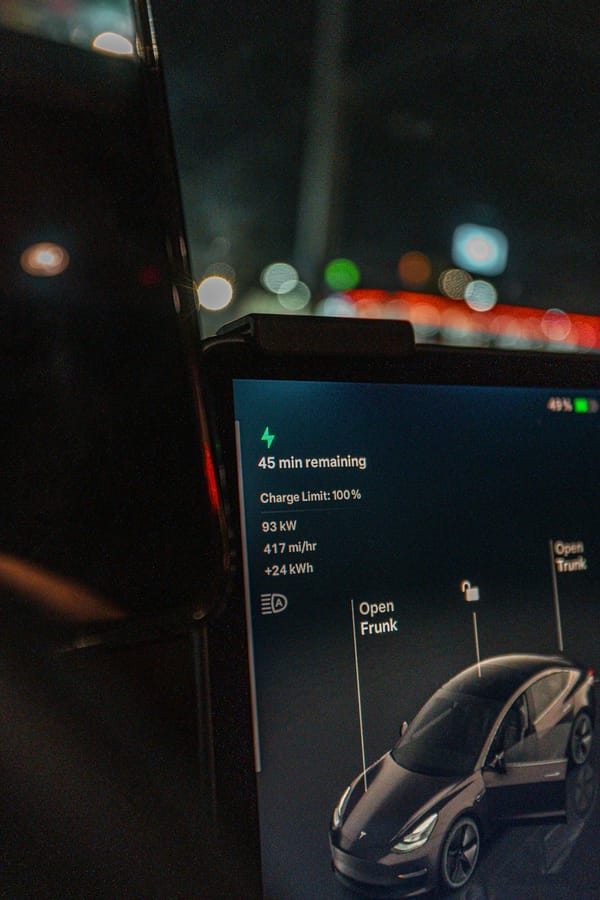
Space Tech
Tesla App Update 2026: How Owners Now Manage a Robotaxi Fleet from Their Phone
Imagine glancing at your phone and seeing your car driving itself across town, earning money while you sip coffee at home. That’s not a sci-fi fantasy anymore. A recent Tesla app update, quietly rolled out in late June 2026 as part of software version 4.58.5, has turned every ow…
Read More...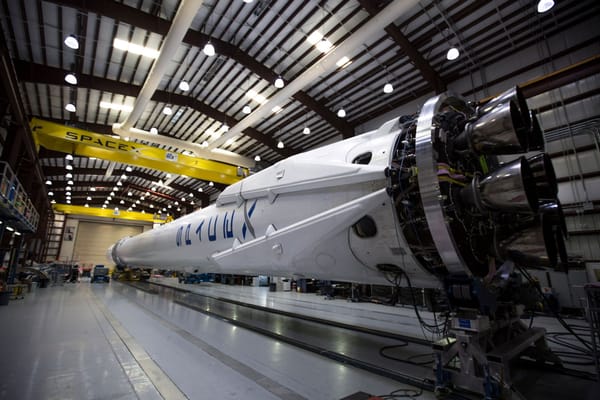
Space Tech
SpaceXAI Is Here: How a $1.25 Trillion Merger Is Building Orbital Data Centers for the Next AI Era
When Elon Musk announced in May 2026 that xAI would vanish as a standalone company, most people assumed it was just another corporate reshuffle. They were wrong. What actually happened was the quiet birth of something far bigger: SpaceXAI, a single entity that now controls rocke…
Read More...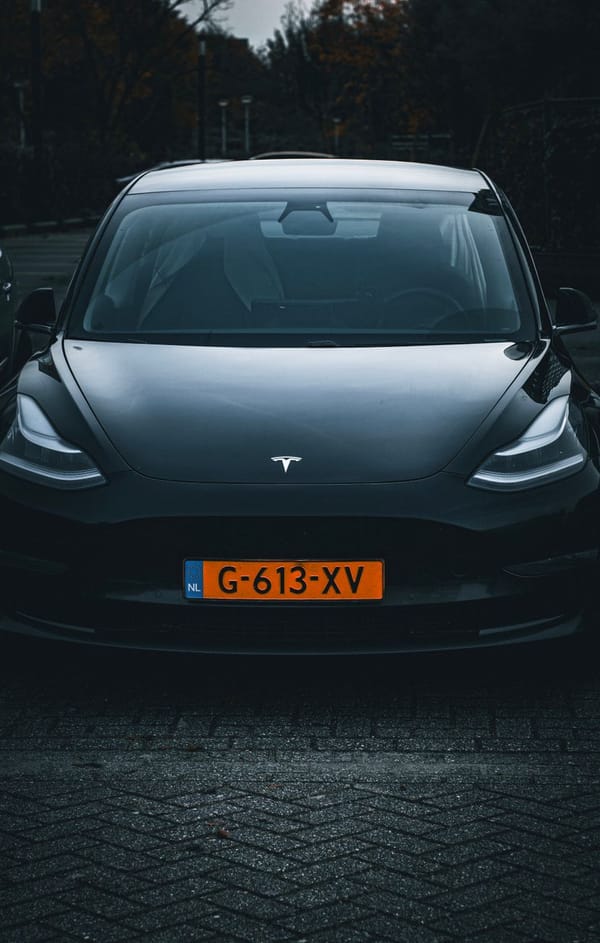
Space Tech
Tesla Driver Charged in Fatal Crash After Overriding Autopilot: What the Data Reveals About Your Responsibility Behind the Wheel
A case unfolding in Harris County, Texas, is forcing a hard look at how we use advanced driver assistance systems. Michael Butler, a 34-year-old DoorDash driver, now faces manslaughter charges after his Tesla crashed into a home on June 5, 2026, killing 47-year-old Maria Avila.…
Read More...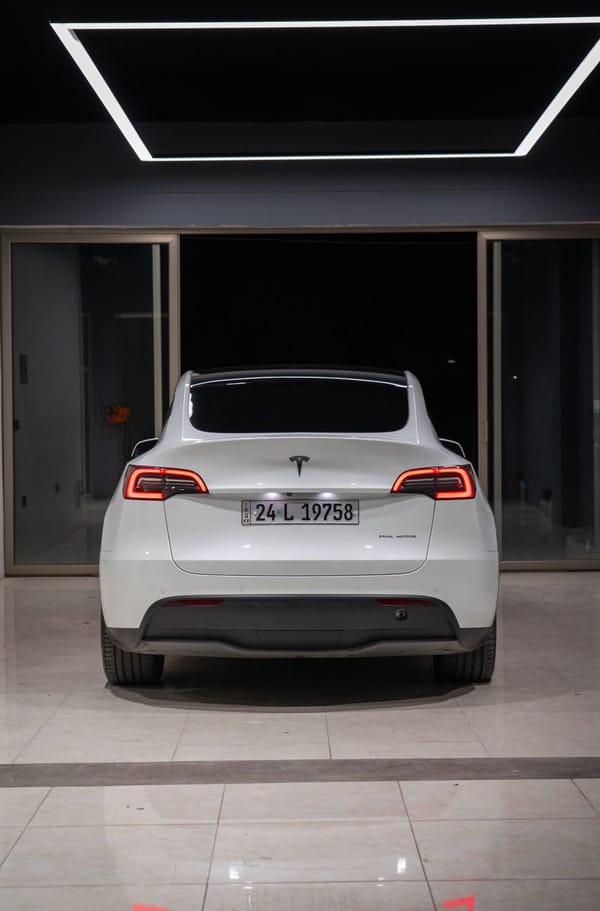
Space Tech
Tesla Model Y L Launch Series Hits U.S. Market: 325 Miles, 4.4 Seconds, and a Surprise for Families
Tesla just dropped something big in the U.S. and Puerto Rico, and it’s not another Cybertruck tease. The Model Y L Launch Series is here, priced at $61,990, and it’s already turning heads. Why? Because this isn’t just a stretched Model Y. It’s Tesla’s answer to everyone who’s be…
Read More...
Space Tech
Tesla’s Optimus Robot Factory Goes Live: 1 Million Humanoid Robots Per Year from Fremont Line
What happens when one of the world’s most iconic car factories stops building cars and starts building robots? You get a front-row seat to the next industrial revolution. Tesla just flipped the switch on its Optimus humanoid robot production line at the historic Fremont plant, a…
Read More...
Space Tech
Tesla’s Cybercab Hits Austin Streets: No Steering Wheel, No Driver, Just AI
What happens when you remove the steering wheel, pedals, and driver from a car and let artificial intelligence take the wheel? Tesla is finding out right now on the streets of Austin, Texas. The company has quietly launched real world testing of its first production ready Cyberc…
Read More...
Space Tech
SpaceX’s Starmind: 1 Million AI Satellites and a $300 Billion T-Mobile Deal That Could Rewrite Global Connectivity
Elon Musk has never been one to follow the crowd. While the internet buzzes with rumors of a Tesla smartphone, the real story unfolding at SpaceX is far bigger and far stranger. It’s not about a device in your pocket. It’s about turning the sky itself into a thinking machine. Me…
Read More...