
What Really Happened in That Tesla Crash? New Data Reveals a Surprising Detail
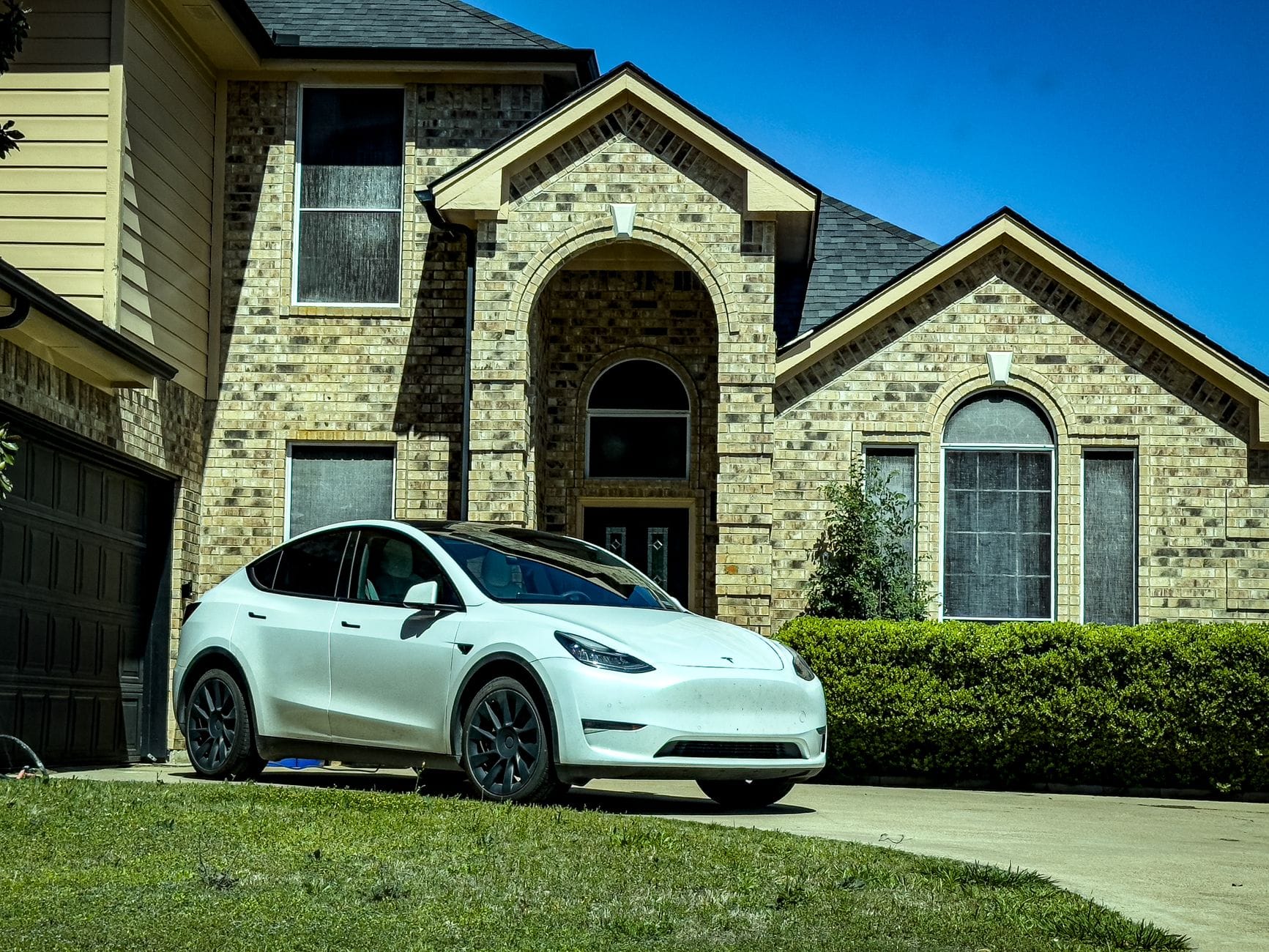
Katy, Texas, MMN Correspondent: A quiet residential street in Katy, Texas, became the scene of a devastating collision that has reignited conversations about automated driving. A Tesla Model 3 struck a brick home at an estimated 73 miles per hour, killing 76 year old Martha Avila. Now, her family has filed a lawsuit against both Tesla and the driver, Michael Butler, alleging a design defect in the company’s Full Self Driving and Autopilot systems.
But here is where the story takes an unexpected turn. Tesla’s Head of AI, Ashok Elluswamy, released data showing that Butler manually pressed the accelerator pedal to 100% force, even after the crash occurred. This detail challenges the initial narrative that the car was driving itself. The Harris County Sheriff’s Office confirmed Butler was cooperative and sober, raising a compelling question: was this a failure of technology, or a case of human behavior overriding safety systems?
Elon Musk publicly questioned how a Tesla on Autopilot could reach such speeds in a residential zone, noting that the system is designed with strict speed limits and safeguards. The National Transportation Safety Board has seen similar patterns before. In a prior fatal Texas crash, investigators found Autopilot was not enabled, and the driver had pressed the accelerator to 98.8% of its maximum capacity. The vehicle reached 67 mph in a neighborhood where such speeds are rare.
These incidents highlight a recurring challenge: public perception often outpaces technical reality. Tesla has always emphasized that Full Self Driving is not fully autonomous and requires constant driver attention. Yet media reports sometimes simplify these distinctions, framing Teslas as inherently unsafe. Meanwhile, similar crashes involving other vehicles rarely attract the same scrutiny. Critics call this a case of Fear, Uncertainty, and Doubt, which can discourage people from using systems that, according to Tesla’s data across over 10 billion miles, are statistically safer than manual driving.
On the safety front, Tesla continues to earn recognition. The Insurance Institute for Highway Safety awarded the 2025 2026 Cybertruck its Top Safety Pick+ honor, the highest possible. The vehicle performed exceptionally in crash tests, including small and moderate overlap front impacts, updated side tests, and pedestrian protection scenarios. Notably, the Cybertruck avoided every single pedestrian collision during testing, across daytime, nighttime, and varied angles. Its stainless steel exoskeleton and reinforced front underbody components, upgraded after April 2025, channel crash forces away from occupants.
Interestingly, despite these U.S. safety ratings, the Cybertruck remains banned in the United Kingdom and much of Europe. Regulators there cite concerns about its angular body design, which may not meet pedestrian protection standards requiring rounded surfaces. Critics also point to the vehicle’s weight and rigid structure as potential risks for vulnerable road users, though Tesla maintains that occupant safety is the priority in all crash types.
As the Texas case moves through the courts, it serves as a reminder that the path to autonomous driving is not just about technology, but about how we understand and communicate its capabilities. The data from this crash invites us to look beyond headlines and ask: what role does human decision making play in these moments? And how can we build a future where innovation and accountability move forward together?
Related in Space Tech
Space Tech
Elon Musk Admits He Was Wrong About Anthropic, Tesla’s Self-Driving Nears an Inflection Point, and NASA’s Roman Telescope Prepares for Launch: Three Stories Defining 2026
On a Tuesday morning in June, Elon Musk did something rare in the world of tech billionaires. He admitted he was wrong. Not in a quiet, buried-in-a-footnote kind of way, but publicly, on his own platform X. The target of his reversal? Anthropic, the AI company he had dismissed j…
Read More...
Space Tech
Miami Now Has Driverless Taxis Operating Without Any Human Oversight: Here’s What Tesla’s Robotaxi Launch Means for You
Imagine hailing a taxi in Miami, climbing in, and realizing there’s no one behind the wheel. No safety driver. No remote monitor. Just you, the car, and the open road. That scenario is no longer a test or a demo. It’s live. Tesla has officially launched its Robotaxi service in M…
Read More...
Space Tech
Your Tesla Will Soon Learn Your Neighborhood by Voice: 3 Ways FSD Remembers Every Detail
Tesla is quietly rolling out a feature that could change how you think about your car. Instead of relying on GPS pins that sometimes point to the wrong house, your Full Self-Driving system will soon learn your street the way a local does. You speak. It remembers. No maps require…
Read More...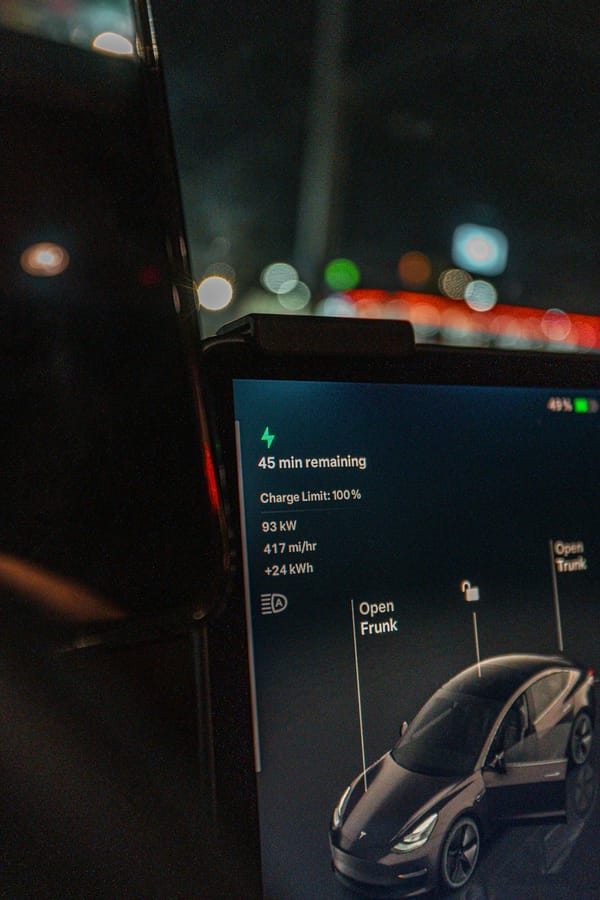
Space Tech
Tesla App Update 2026: How Owners Now Manage a Robotaxi Fleet from Their Phone
Imagine glancing at your phone and seeing your car driving itself across town, earning money while you sip coffee at home. That’s not a sci-fi fantasy anymore. A recent Tesla app update, quietly rolled out in late June 2026 as part of software version 4.58.5, has turned every ow…
Read More...
Space Tech
SpaceXAI Is Here: How a $1.25 Trillion Merger Is Building Orbital Data Centers for the Next AI Era
When Elon Musk announced in May 2026 that xAI would vanish as a standalone company, most people assumed it was just another corporate reshuffle. They were wrong. What actually happened was the quiet birth of something far bigger: SpaceXAI, a single entity that now controls rocke…
Read More...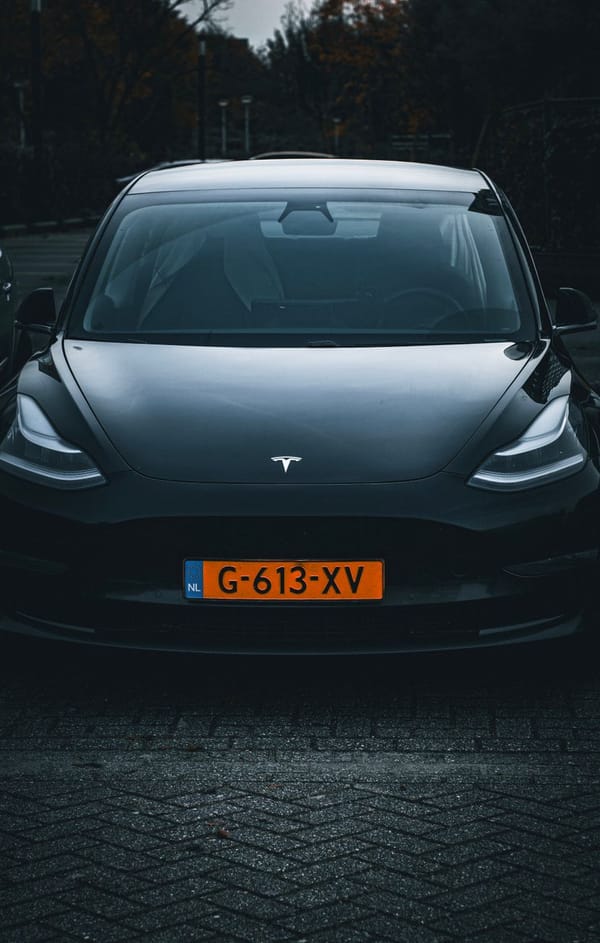
Space Tech
Tesla Driver Charged in Fatal Crash After Overriding Autopilot: What the Data Reveals About Your Responsibility Behind the Wheel
A case unfolding in Harris County, Texas, is forcing a hard look at how we use advanced driver assistance systems. Michael Butler, a 34-year-old DoorDash driver, now faces manslaughter charges after his Tesla crashed into a home on June 5, 2026, killing 47-year-old Maria Avila.…
Read More...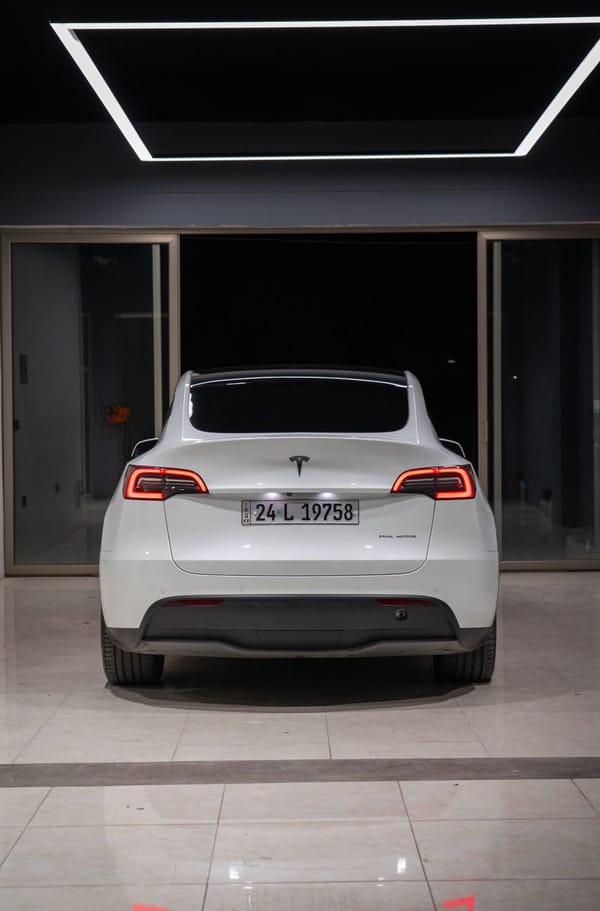
Space Tech
Tesla Model Y L Launch Series Hits U.S. Market: 325 Miles, 4.4 Seconds, and a Surprise for Families
Tesla just dropped something big in the U.S. and Puerto Rico, and it’s not another Cybertruck tease. The Model Y L Launch Series is here, priced at $61,990, and it’s already turning heads. Why? Because this isn’t just a stretched Model Y. It’s Tesla’s answer to everyone who’s be…
Read More...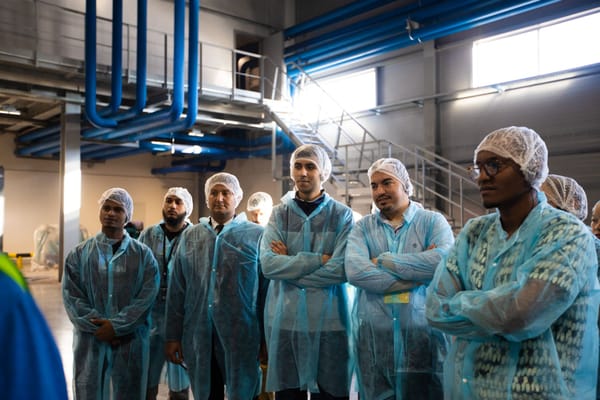
Space Tech
Tesla’s Optimus Robot Factory Goes Live: 1 Million Humanoid Robots Per Year from Fremont Line
What happens when one of the world’s most iconic car factories stops building cars and starts building robots? You get a front-row seat to the next industrial revolution. Tesla just flipped the switch on its Optimus humanoid robot production line at the historic Fremont plant, a…
Read More...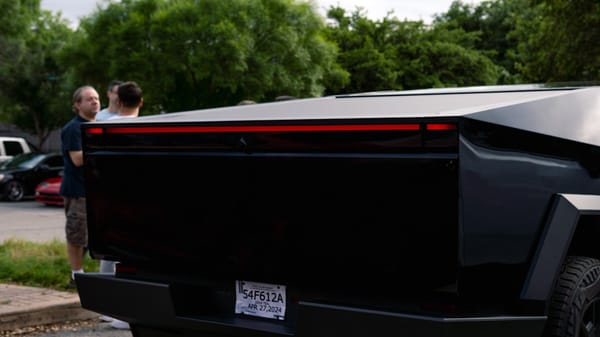
Space Tech
Tesla’s Cybercab Hits Austin Streets: No Steering Wheel, No Driver, Just AI
What happens when you remove the steering wheel, pedals, and driver from a car and let artificial intelligence take the wheel? Tesla is finding out right now on the streets of Austin, Texas. The company has quietly launched real world testing of its first production ready Cyberc…
Read More...
Space Tech
SpaceX’s Starmind: 1 Million AI Satellites and a $300 Billion T-Mobile Deal That Could Rewrite Global Connectivity
Elon Musk has never been one to follow the crowd. While the internet buzzes with rumors of a Tesla smartphone, the real story unfolding at SpaceX is far bigger and far stranger. It’s not about a device in your pocket. It’s about turning the sky itself into a thinking machine. Me…
Read More...