
10 Aid Workers Detained in Libya While Trying to Reach Gaza: What Happened to the Global Sumud Convoy?
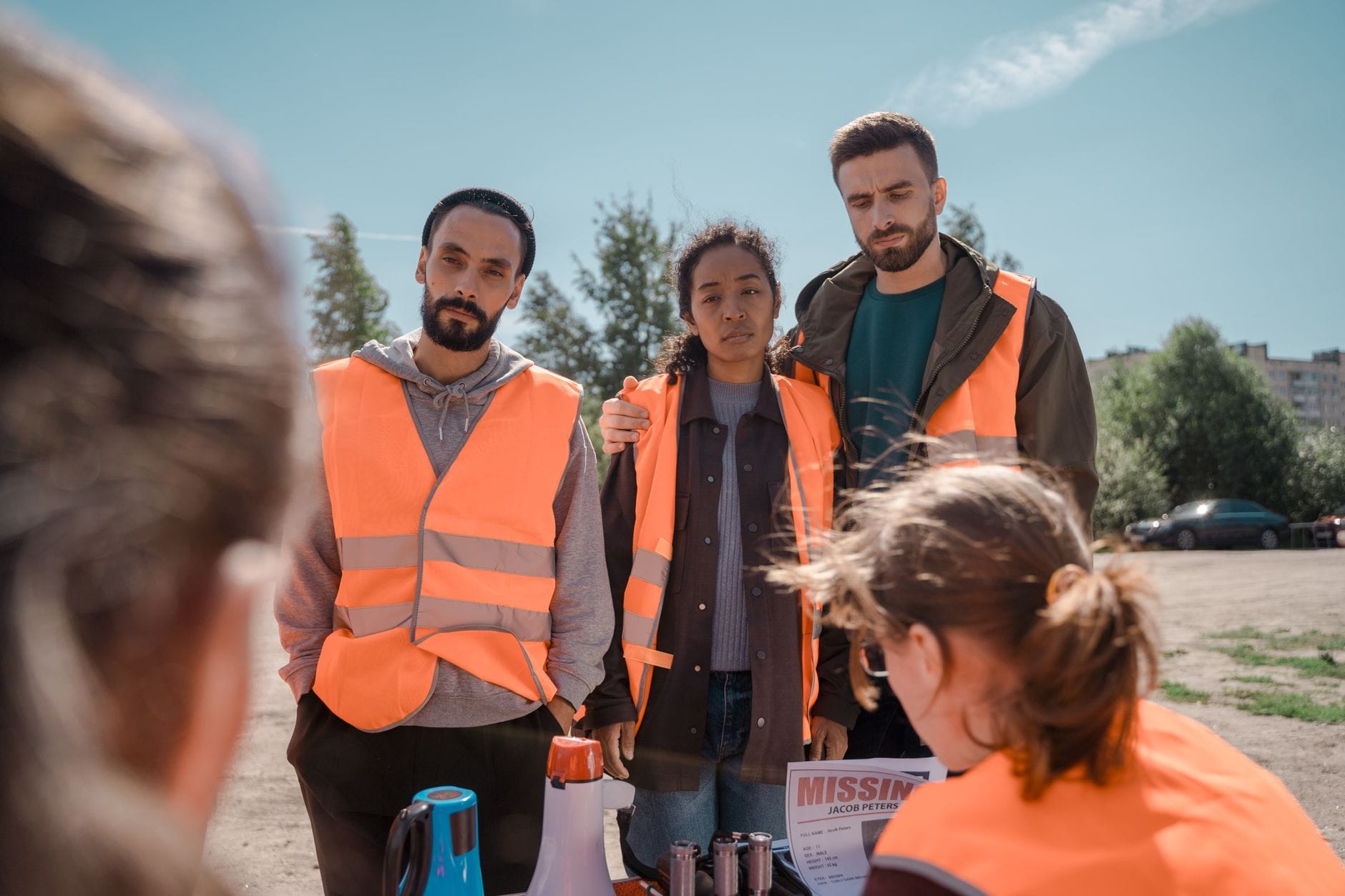
Benghazi, Libya, MMN Correspondent: Imagine traveling thousands of miles across deserts and borders, driven by a single goal: to deliver medicine and food to people trapped in a war zone. Now imagine being stopped not by the enemy, but by armed men who throw you into a secret prison. That is exactly what happened to ten international activists from eight different countries who were part of the Global Sumud Land Convoy (GSLC). Their mission was to break the blockade on Gaza. Instead, they found themselves detained in eastern Libya, held without charge for days, and denied contact with the outside world.
The convoy set out from Mauritania on April 25, 2026, with over 200 participants. Their plan was to cross North Africa and the Middle East by land, carrying essential medical supplies, food, and reconstruction materials to Gaza. At that time, more than 30,000 people had already been killed in the conflict, and entire neighborhoods had been reduced to rubble. The activists believed that humanitarian aid should never be stopped by political borders. But on May 24, 2026, a small delegation of ten convoy members traveled to Sirte, a strategic city in eastern Libya, to negotiate safe passage with local authorities. At a security checkpoint near the city, they were seized without warning by an armed group linked to the Libyan Arab Armed Forces (LAAF).
What happened next reads like a thriller. The activists were forced into unmarked white vans and flown to Benghazi. For nine days, their families had no idea where they were. This is what international law calls an enforced disappearance. During that time, they were denied lawyers, phone calls, and even consular visits. On June 1, 2026, the ten detainees began a hunger strike to protest their unlawful detention. Several of them suffered fainting spells, seizures, and dangerously low blood sugar levels. One activist with diabetes was denied regular access to insulin. The question that lingers is: why would anyone treat peaceful aid workers this way?
On June 3, prosecutors in Benghazi interrogated the activists on charges of “assembly without authorization.” This is a vague legal term that has been used before to silence peaceful protesters. Despite having a lawyer present during questioning, the authorities ordered pretrial detention for ten days. The detainees were then transferred to the headquarters of the Internal Security Agency (ISA) in Benghazi, an armed faction with a documented history of arbitrary arrests and torture. It was only at this point that they were allowed to contact their families for the first time. But conditions inside the ISA facility remain dire. Medical care is minimal, and the psychological strain is immense.
The Global Sumud Land Convoy’s journey ended abruptly on May 25, 2026, when unidentified armed men dispersed the convoy’s encampment near Sirte and forced its members to return to Tripoli. That same day, the Benghazi-based “Libyan Government,” aligned with the LAAF, issued a statement claiming the convoy had entered Libya without proper legal permits. But sources close to the convoy revealed that months of coordination with relevant Libyan authorities had already secured verbal assurances and logistical guarantees for safe passage. So what changed? And why were these activists singled out?
Libya has been politically fractured since 2014, with two rival governments vying for legitimacy. The Tripoli-based Government of National Unity (GNU) is recognized internationally but struggles to enforce authority across the country. The Benghazi-based “Libyan Government” is backed by the LAAF and controls large parts of eastern and southern Libya. Where these de facto authorities exercise control, they are legally bound by international human rights standards. That includes the right to liberty, freedom of movement, and protection from arbitrary detention. Human rights advocates stress that the detention of these activists violates multiple international legal instruments, including the Universal Declaration of Human Rights and the International Covenant on Civil and Political Rights.
Amnesty International has called for the immediate and unconditional release of all ten detainees. They demand that the activists be granted prompt access to legal counsel, medical treatment, and family visits. The organization also urges the LAAF and Libyan authorities to investigate the circumstances of the arrests and hold accountable any officials involved in abuses. As global attention turns to Gaza’s ongoing humanitarian catastrophe, where over 2 million people face famine and disease, the detention of aid workers in Libya highlights a growing pattern: the criminalization of humanitarian assistance. Similar incidents have occurred in Egypt, Turkey, and Jordan, where aid convoys have faced obstruction, delays, or outright confiscation of supplies.
The plight of these activists serves as a reminder that humanitarian missions should never be politicized or obstructed. Every life saved through aid delivery is a victory against despair. As the world watches, the fate of these ten individuals remains uncertain. But their courage in risking everything to help others should not be forgotten. Their story is not just about Libya or Gaza. It is a global test of conscience, morality, and commitment to human rights in times of crisis.
Related in Social Justice

Social Justice
Africa’s Albinism Crisis: 2025 Court Ruling That Could Save 100,000 Lives
Imagine being hunted for your body parts. Not because of a crime you committed, but because of a condition you were born with. For tens of thousands of people across Africa, this is not a horror movie. It is daily life. But in February 2025, a single court decision changed every…
Read More...
Social Justice
What Happened After 28 Died in Sri Lanka’s Prison Riots? Two More Inmates Dead in Transfer – Demands for Answers Grow
Just days after a brutal two day clash inside Negombo Prison left at least 28 people dead and over 100 injured, two more inmates have died. Not from the violence inside the walls, but shortly after being moved to other facilities. The question now is: what really happened during…
Read More...
Social Justice
What 50 Years of Civil Rights Battles in North Carolina Can Teach Us About the Future of Voting Access
What does it take to keep fighting for justice when the rules keep changing? On July 21, 2026, two of North Carolina’s most influential civil rights figures will sit down together in Durham to answer that question. Leslie Winner and Angela Bryant have spent decades on the front…
Read More...
Social Justice
What North Carolina’s Civil Rights Icons Reveal About Voting Rights in 2026: A Fireside Chat You Can’t Miss
Imagine sitting just a few feet away from the people who literally rewrote the rules of American democracy. That’s the kind of evening the Southern Coalition for Social Justice is offering on July 21, 2026. They’re hosting a fireside conversation called *North Carolina Icons: Th…
Read More...
Social Justice
What Happens When a Peaceful Protest Against a Coal Mine Leads to a 2-Year Prison Sentence? The Esra Işık Case in Turkey
Imagine standing up for a forest you love, a place where your neighbors grow food and your children play. Now imagine that act of peaceful protest lands you in court, facing prison time. That is exactly what happened to Esra Işık, a Turkish environmental activist whose recent co…
Read More...
Social Justice
3 Sahel Nations Exit ICC: What This Means for Justice in West Africa
In a move that has captured global attention, Burkina Faso, Mali, and Niger have officially notified the United Nations of their decision to withdraw from the Rome Statute, the treaty that created the International Criminal Court (ICC). The UN Secretary General confirmed this de…
Read More...
Social Justice
450 Years for a Fireworks Protest? What the Prairieland ICE Case Means for Your Right to Speak Out
Imagine planning a Fourth of July celebration to lift the spirits of people held in immigration detention. You bring fireworks, music, and a few legally carried firearms. After thirty minutes, you pack up and go home. Now imagine being told that those thirty minutes will cost yo…
Read More...
Social Justice
What Happens When a Country Silences Its Media? Uganda’s Crackdown on Journalists and Activists Explained
On a single day in late June, Uganda’s media landscape changed dramatically. Six major news outlets were shut down. Journalists were locked out of their offices. Equipment was seized. No court order was shown. No public explanation was given. The question on many minds is simple…
Read More...
Social Justice
What Happens When a NATO Host City Bans All Protests for 13 Days? Turkey’s Move Raises Questions
Imagine your city suddenly goes silent. Not the quiet of a holiday, but the kind of silence that comes when the right to gather, to speak, to hold a sign, is taken away. That is exactly what is happening in Ankara right now. As Turkey prepares to host the 36th NATO Summit, autho…
Read More...
Social Justice
6.8 Magnitude Earthquake Hits Venezuela: What the Disaster Response Reveals About Human Rights
On the afternoon of June 24, 2026, the ground shook across Venezuela. A 6.8 magnitude earthquake struck multiple regions, from the northern coastal states to the central highlands. Within hours, neighborhoods in Maracaibo, Valencia, and Barquisimeto were reduced to rubble. Thous…
Read More...