
134,000 Missing in Mexico: Why Women Searchers Are Marching During the World Cup
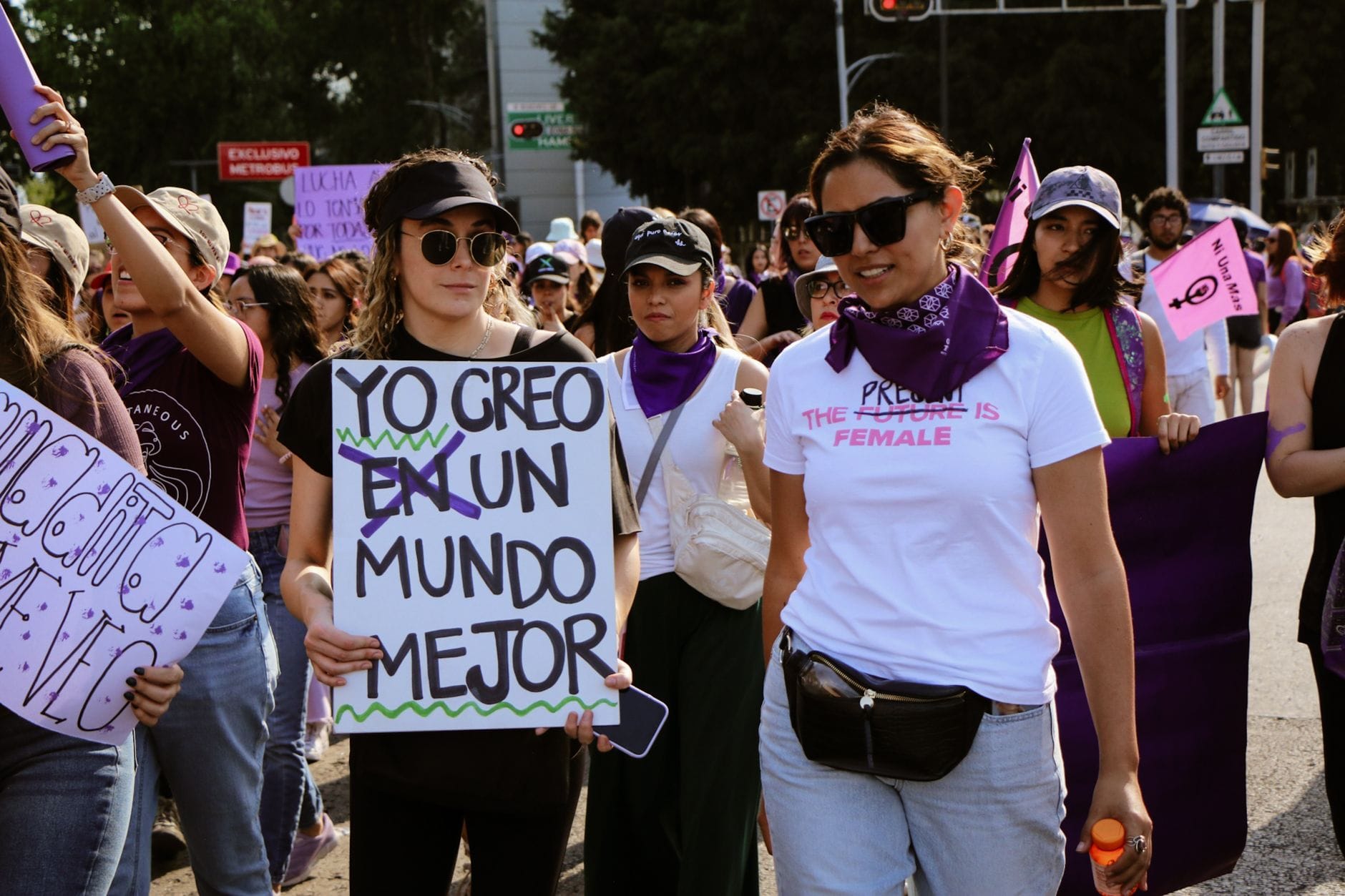
Mexico City, MMN Correspondent: Imagine the roar of 100,000 fans inside a stadium, flags waving, goals celebrated. Now imagine a number bigger than that crowd: 134,000 people who have simply vanished across Mexico. That is the reality these women carry as the 2026 FIFA World Cup kicks off just days away. They are not marching for a team. They are marching for their daughters, sons, mothers, and fathers. Their message is direct: don’t play with our pain.
On June 11, 2026, thousands of women searchers will gather at the Mexico City Stadium. They are part of a quiet but powerful movement that has grown in the shadows of a national crisis. Official records from May 25, 2026, show over 134,000 missing persons in Mexico. That figure surpasses the expected attendance at the World Cup’s opening ceremony. This is not a statistic. It is a humanitarian emergency that has been building for years, largely ignored by authorities while the world focuses on football.
Most disappearances are linked to organized crime, especially drug cartels that recruit or eliminate those who resist. Families are left in a painful limbo, not knowing if their loved ones are alive or dead. In the absence of meaningful government action, women have stepped forward. They form search groups that operate independently, using social media, volunteer networks, and sheer determination. They search remote areas, interview informants, and document evidence. Their work is physically exhausting and emotionally draining, and they do it under constant threat of violence and harassment. Yet they persist.
Amnesty International has called on Mexican authorities to protect these women and uphold their right to peaceful assembly. The march has official approval, but activists know that permission does not guarantee safety. In recent years, women searchers have faced intimidation, smear campaigns, and even criminal charges for speaking out. Some have been labeled as subversive or accused of aiding criminal organizations, despite their consistent efforts to seek truth and justice.
Edith Olivares Ferreto, Executive Director of Amnesty International Mexico, put it plainly: there are more disappeared people in Mexico than will attend the opening match of this World Cup. She sees the global spotlight as a rare opportunity to push for systemic reform and accountability. The world is watching, and that attention can be a powerful force for change.
The human rights implications extend beyond Mexico. The United States and Canada, as co-hosts, face scrutiny over how the World Cup may affect vulnerable communities. In the U.S., aggressive immigration enforcement has created fear among migrant families. In Canada, homeless populations in Toronto and Vancouver risk displacement during street sweeps before the games. These actions, framed as security measures, often hit the most vulnerable hardest.
FIFA has not yet provided public assurances about protecting peaceful protests or preventing immigration raids near stadiums. Human rights organizations have asked repeatedly about which flags, banners, or symbols will be banned inside venues, but FIFA has not responded. This lack of clarity raises questions about freedom of expression during high profile events.
For many fans, the World Cup represents joy and unity. But can those ideals coexist with ongoing human rights violations? The absence of guarantees from FIFA and host governments risks turning the tournament into a stage for exclusion rather than inclusion. Families of the missing, protesters, and marginalized communities may find themselves silenced not because of wrongdoing, but simply because they exist in the wrong place at the wrong time.
The women searchers in Mexico are part of a growing global movement of civil society actors who refuse to be erased. Their resilience, born from love and loss, challenges the idea that peace and progress can happen without confronting past injustices. As the world watches the opening match, it is worth remembering that behind every goal and every cheer, there are lives interrupted, families shattered, and stories still waiting to be told.
The 2026 World Cup offers a unique crossroads. It can showcase sport as a force for good, or it can become a platform that perpetuates inequality and silence. The choice is not just for FIFA or governments. It is for all of us the global audience, the media, and civil society. By amplifying the voices of these women, supporting their cause, and demanding accountability, we can help ensure that football truly unites the world not by ignoring its darkest corners, but by shining a light on them.
When the final whistle blows and the celebrations fade, the echoes of this protest will linger. Not in stadiums, but in the hearts of those who have waited too long for answers. And perhaps, in time, the world will learn that justice, like football, must be played fairly for everyone.
Related in Social Justice
Social Justice
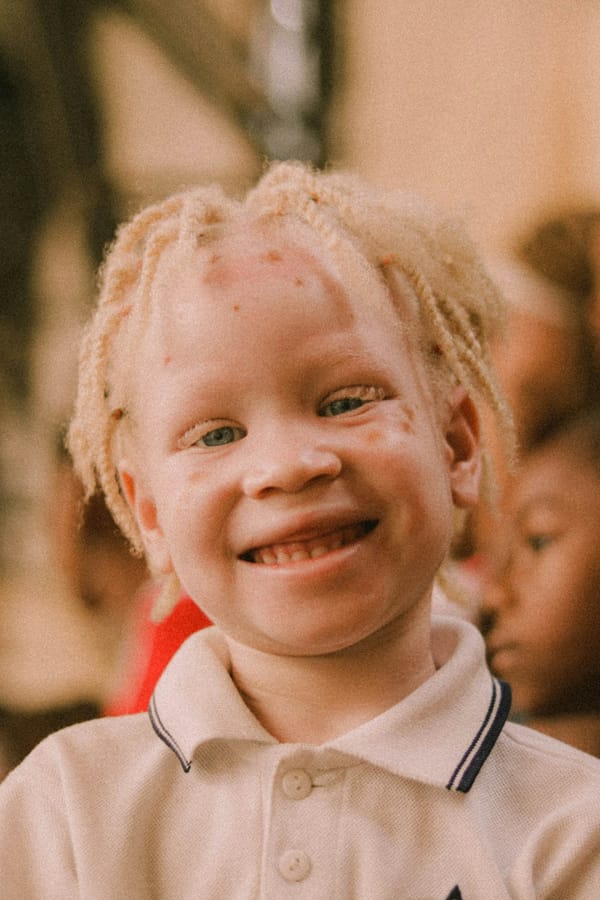
Africa’s Albinism Crisis: 2025 Court Ruling That Could Save 100,000 Lives
Imagine being hunted for your body parts. Not because of a crime you committed, but because of a condition you were born with. For tens of thousands of people across Africa, this is not a horror movie. It is daily life. But in February 2025, a single court decision changed every…
Read More...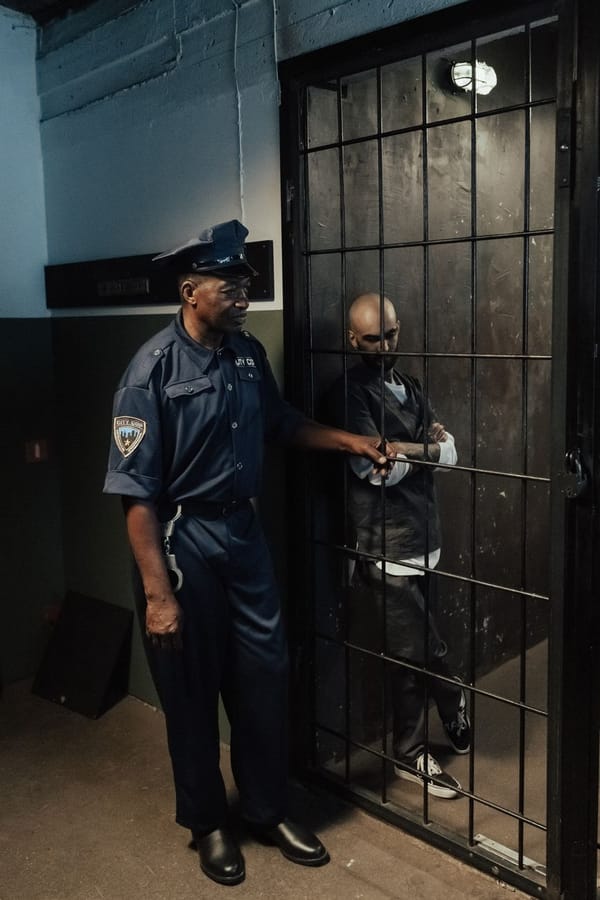
Social Justice
What Happened After 28 Died in Sri Lanka’s Prison Riots? Two More Inmates Dead in Transfer – Demands for Answers Grow
Just days after a brutal two day clash inside Negombo Prison left at least 28 people dead and over 100 injured, two more inmates have died. Not from the violence inside the walls, but shortly after being moved to other facilities. The question now is: what really happened during…
Read More...
Social Justice
What 50 Years of Civil Rights Battles in North Carolina Can Teach Us About the Future of Voting Access
What does it take to keep fighting for justice when the rules keep changing? On July 21, 2026, two of North Carolina’s most influential civil rights figures will sit down together in Durham to answer that question. Leslie Winner and Angela Bryant have spent decades on the front…
Read More...
Social Justice
What North Carolina’s Civil Rights Icons Reveal About Voting Rights in 2026: A Fireside Chat You Can’t Miss
Imagine sitting just a few feet away from the people who literally rewrote the rules of American democracy. That’s the kind of evening the Southern Coalition for Social Justice is offering on July 21, 2026. They’re hosting a fireside conversation called *North Carolina Icons: Th…
Read More...
Social Justice
What Happens When a Peaceful Protest Against a Coal Mine Leads to a 2-Year Prison Sentence? The Esra Işık Case in Turkey
Imagine standing up for a forest you love, a place where your neighbors grow food and your children play. Now imagine that act of peaceful protest lands you in court, facing prison time. That is exactly what happened to Esra Işık, a Turkish environmental activist whose recent co…
Read More...
Social Justice
3 Sahel Nations Exit ICC: What This Means for Justice in West Africa
In a move that has captured global attention, Burkina Faso, Mali, and Niger have officially notified the United Nations of their decision to withdraw from the Rome Statute, the treaty that created the International Criminal Court (ICC). The UN Secretary General confirmed this de…
Read More...
Social Justice
450 Years for a Fireworks Protest? What the Prairieland ICE Case Means for Your Right to Speak Out
Imagine planning a Fourth of July celebration to lift the spirits of people held in immigration detention. You bring fireworks, music, and a few legally carried firearms. After thirty minutes, you pack up and go home. Now imagine being told that those thirty minutes will cost yo…
Read More...
Social Justice
What Happens When a Country Silences Its Media? Uganda’s Crackdown on Journalists and Activists Explained
On a single day in late June, Uganda’s media landscape changed dramatically. Six major news outlets were shut down. Journalists were locked out of their offices. Equipment was seized. No court order was shown. No public explanation was given. The question on many minds is simple…
Read More...
Social Justice
What Happens When a NATO Host City Bans All Protests for 13 Days? Turkey’s Move Raises Questions
Imagine your city suddenly goes silent. Not the quiet of a holiday, but the kind of silence that comes when the right to gather, to speak, to hold a sign, is taken away. That is exactly what is happening in Ankara right now. As Turkey prepares to host the 36th NATO Summit, autho…
Read More...
Social Justice
6.8 Magnitude Earthquake Hits Venezuela: What the Disaster Response Reveals About Human Rights
On the afternoon of June 24, 2026, the ground shook across Venezuela. A 6.8 magnitude earthquake struck multiple regions, from the northern coastal states to the central highlands. Within hours, neighborhoods in Maracaibo, Valencia, and Barquisimeto were reduced to rubble. Thous…
Read More...