
140,000 Missing in Mexico: How Families Are Using the 2026 World Cup to Demand Justice
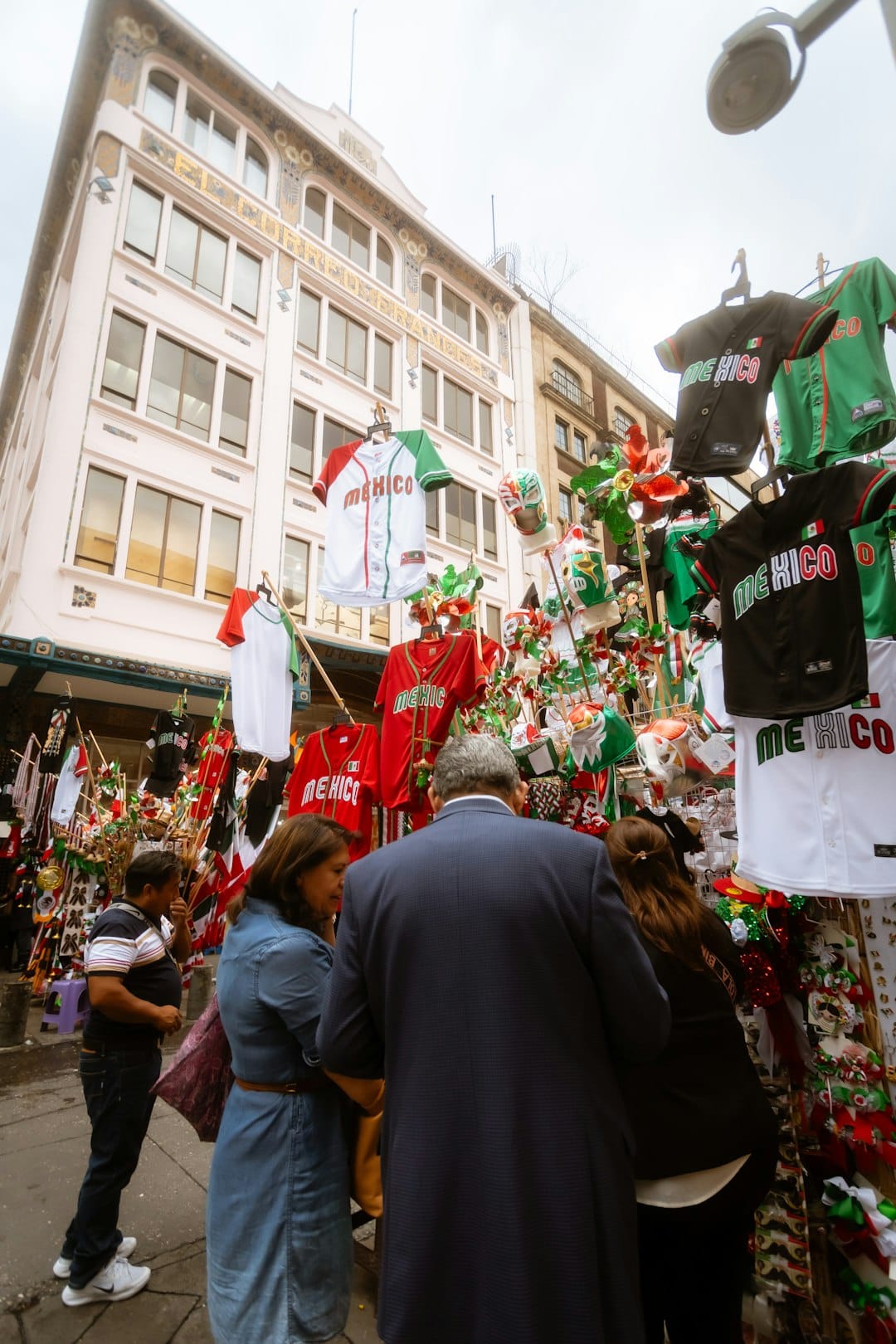
Mexico City, MMN Correspondent: As the world gears up for the 2026 FIFA World Cup, a different kind of movement is quietly gaining momentum across Mexico. It’s not about goals or glory. It’s about the 140,000 people who have disappeared since 2006, and the families who refuse to let their stories fade away.
On June 11, 2026, just hours before the official opening festivities of the tournament, families of the missing took to the streets. Their message was simple: we want truth, we want justice, and we want the world to see what’s happening here. Amnesty International quickly issued a statement urging Mexican authorities to protect the right to peaceful protest, especially for these families who have been searching for years.
What happened next caught many by surprise. According to human rights monitors, the demonstration saw aggressive crowd control tactics, arbitrary detentions, and verbal intimidation directed at relatives of the disappeared. International observers raised concerns, noting that such responses don’t align with Mexico’s commitments under international human rights law.
Edith Olivares Ferreto, Executive Director of Amnesty International Mexico, put it plainly: “Authorities have an obligation to facilitate and protect the right to peaceful protest, not to obstruct it. Their actions must prioritize dialogue, the protection of the integrity of those taking part in demonstrations, and the adoption of measures to prevent any form of repression, intimidation or unnecessary use of force.”
These families aren’t just grieving. They are frontline human rights defenders. For over a decade, they have led grassroots search efforts across rural villages, urban neighborhoods, and remote burial sites, often without any government support. Their work has uncovered mass graves, helped identify victims through forensic analysis, and pushed for legal reforms. Yet many face systemic neglect, threats, and even criminalization for simply asking questions.
Mexico remains one of the most dangerous countries for human rights defenders. The National Search Commission, established in 2017, has yet to deliver conclusive results for the majority of cases. Families often report being ignored by officials, denied access to information, or pressured to drop their investigations entirely.
Here’s where the story gets interesting. The World Cup brings billions in investment and global visibility. It’s a moment of national pride. But for these families, it’s also a moment of national silence. The contrast is hard to ignore: while the country celebrates progress and unity, the very people keeping the memory of the disappeared alive are being pushed aside.
Amnesty International stresses that the demands of these families are not disruptive. They are essential. “Families search because the state has failed to fully guarantee truth and justice,” Olivares emphasized. “Their demand cannot be treated as a threat to public order. Guaranteeing their right to demonstrate is not a concession: it is an obligation of the Mexican state.”
This isn’t just a Mexican story. It’s part of a broader global trend where marginalized communities use peaceful protest to hold governments accountable. From climate activists in Europe to indigenous land defenders in Latin America, the principle remains the same: the right to assemble peacefully is foundational to democracy and justice. When authorities respond with force instead of dialogue, they risk eroding public trust and deepening cycles of violence.
In the aftermath of the June 11 demonstration, Amnesty International is calling for immediate investigations into alleged abuses, including unlawful arrests, excessive use of force, and psychological harassment. The organization urges federal and local authorities to ensure the safety of all family members involved, provide transparent updates on ongoing investigations, and implement long-term mechanisms to protect future protests.
Experts argue that meaningful change requires structural reform. This includes strengthening the independence of the National Search Commission, ensuring full transparency in missing persons databases, and providing legal protections for search collectives. Civil society groups have also called for the creation of a national truth commission to address the root causes of forced disappearances, including corruption, institutional complicity, and the militarization of public security.
The 2026 World Cup presents both a challenge and an opportunity. On one hand, it risks overshadowing the struggles of the disappeared. On the other, it offers a platform to spotlight human rights issues on a global stage. If managed responsibly, the event could become a catalyst for reform rather than a distraction from injustice.
As millions tune in to watch matches across Mexico, Brazil, and the United States, the voices of those searching for their loved ones should not be drowned out. Their courage, resilience, and unwavering pursuit of truth serve as a reminder that true national pride lies not in grand spectacles, but in the protection of every citizen’s dignity and right to know what happened to their family.
For families of the disappeared, justice is not a distant dream. It is a daily reality shaped by relentless effort, sacrifice, and hope. And as the world watches, the Mexican state must choose whether to stand with them or against them.
Related in Social Justice
Social Justice
Africa’s Albinism Crisis: 2025 Court Ruling That Could Save 100,000 Lives
Imagine being hunted for your body parts. Not because of a crime you committed, but because of a condition you were born with. For tens of thousands of people across Africa, this is not a horror movie. It is daily life. But in February 2025, a single court decision changed every…
Read More...
Social Justice
What Happened After 28 Died in Sri Lanka’s Prison Riots? Two More Inmates Dead in Transfer – Demands for Answers Grow
Just days after a brutal two day clash inside Negombo Prison left at least 28 people dead and over 100 injured, two more inmates have died. Not from the violence inside the walls, but shortly after being moved to other facilities. The question now is: what really happened during…
Read More...
Social Justice
What 50 Years of Civil Rights Battles in North Carolina Can Teach Us About the Future of Voting Access
What does it take to keep fighting for justice when the rules keep changing? On July 21, 2026, two of North Carolina’s most influential civil rights figures will sit down together in Durham to answer that question. Leslie Winner and Angela Bryant have spent decades on the front…
Read More...
Social Justice
What North Carolina’s Civil Rights Icons Reveal About Voting Rights in 2026: A Fireside Chat You Can’t Miss
Imagine sitting just a few feet away from the people who literally rewrote the rules of American democracy. That’s the kind of evening the Southern Coalition for Social Justice is offering on July 21, 2026. They’re hosting a fireside conversation called *North Carolina Icons: Th…
Read More...
Social Justice
What Happens When a Peaceful Protest Against a Coal Mine Leads to a 2-Year Prison Sentence? The Esra Işık Case in Turkey
Imagine standing up for a forest you love, a place where your neighbors grow food and your children play. Now imagine that act of peaceful protest lands you in court, facing prison time. That is exactly what happened to Esra Işık, a Turkish environmental activist whose recent co…
Read More...
Social Justice
3 Sahel Nations Exit ICC: What This Means for Justice in West Africa
In a move that has captured global attention, Burkina Faso, Mali, and Niger have officially notified the United Nations of their decision to withdraw from the Rome Statute, the treaty that created the International Criminal Court (ICC). The UN Secretary General confirmed this de…
Read More...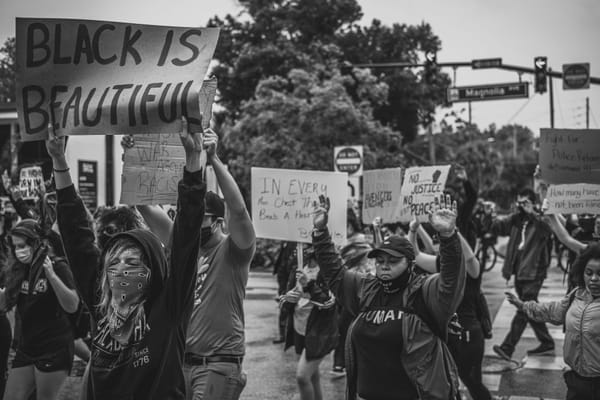
Social Justice
450 Years for a Fireworks Protest? What the Prairieland ICE Case Means for Your Right to Speak Out
Imagine planning a Fourth of July celebration to lift the spirits of people held in immigration detention. You bring fireworks, music, and a few legally carried firearms. After thirty minutes, you pack up and go home. Now imagine being told that those thirty minutes will cost yo…
Read More...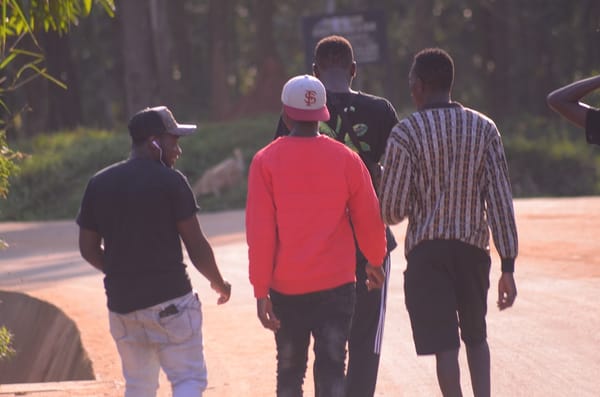
Social Justice
What Happens When a Country Silences Its Media? Uganda’s Crackdown on Journalists and Activists Explained
On a single day in late June, Uganda’s media landscape changed dramatically. Six major news outlets were shut down. Journalists were locked out of their offices. Equipment was seized. No court order was shown. No public explanation was given. The question on many minds is simple…
Read More...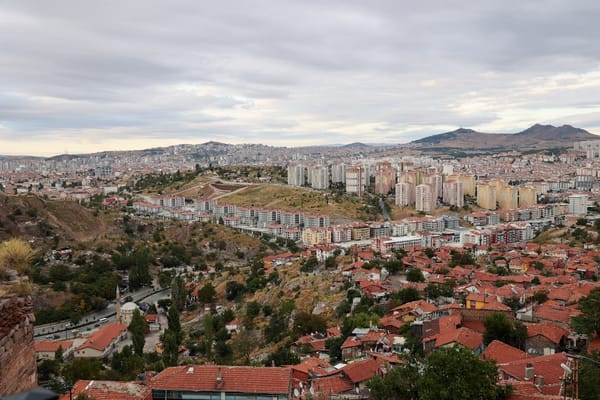
Social Justice
What Happens When a NATO Host City Bans All Protests for 13 Days? Turkey’s Move Raises Questions
Imagine your city suddenly goes silent. Not the quiet of a holiday, but the kind of silence that comes when the right to gather, to speak, to hold a sign, is taken away. That is exactly what is happening in Ankara right now. As Turkey prepares to host the 36th NATO Summit, autho…
Read More...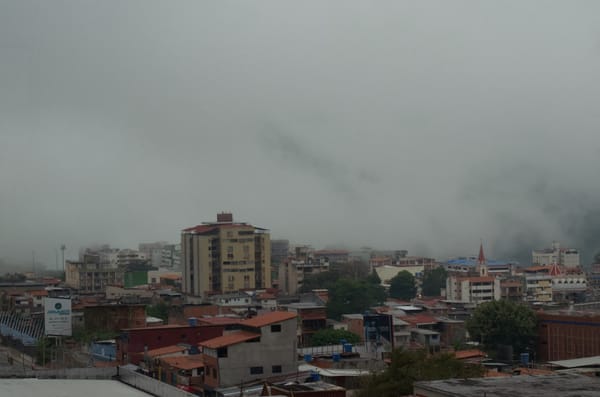
Social Justice
6.8 Magnitude Earthquake Hits Venezuela: What the Disaster Response Reveals About Human Rights
On the afternoon of June 24, 2026, the ground shook across Venezuela. A 6.8 magnitude earthquake struck multiple regions, from the northern coastal states to the central highlands. Within hours, neighborhoods in Maracaibo, Valencia, and Barquisimeto were reduced to rubble. Thous…
Read More...