
5 Billion Eyes on 2026: What the World Cup Reveals About Immigration, Power, and Protest Across North America
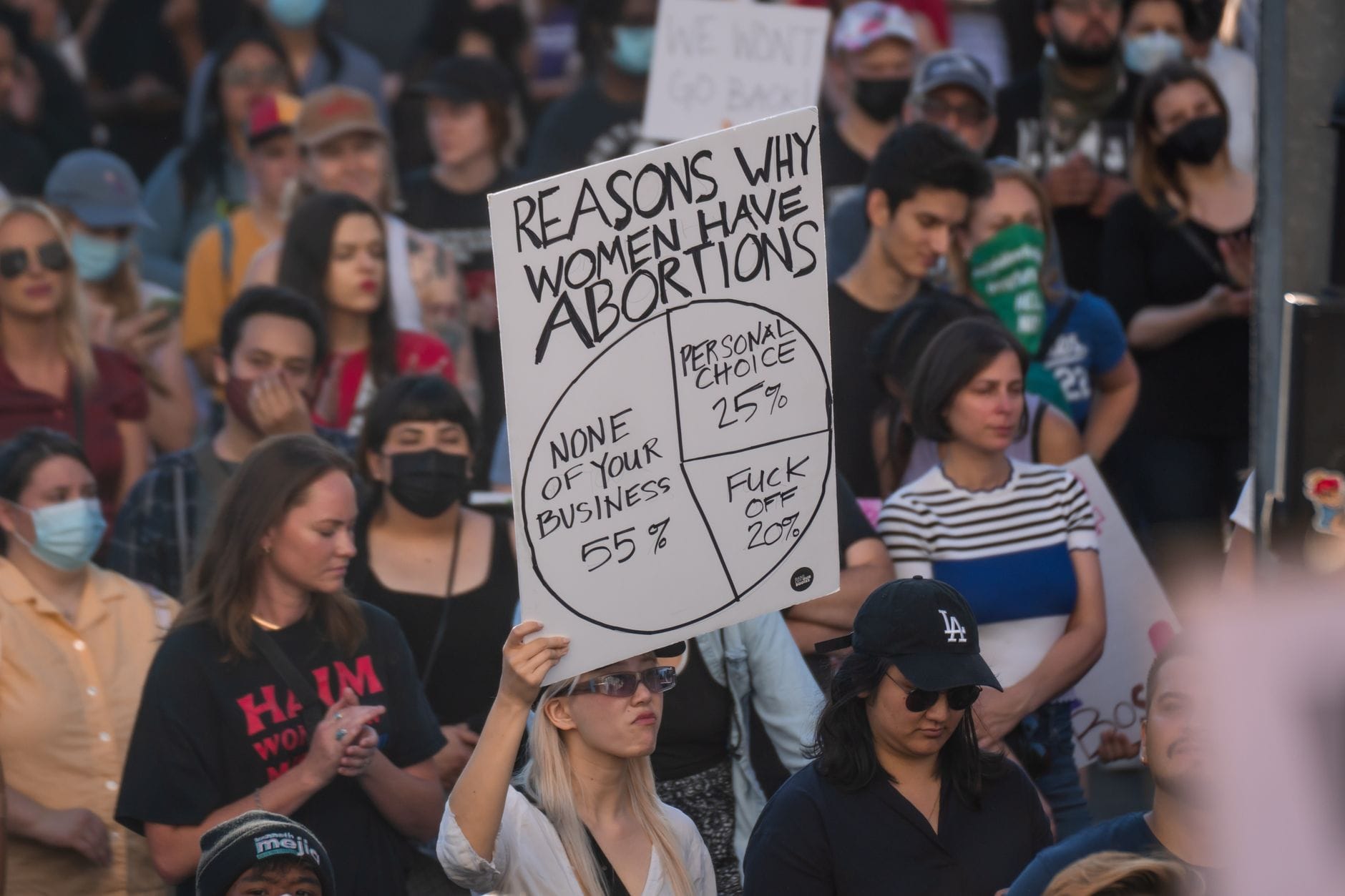
North America (Multiple Cities), MMN Correspondent: The 2026 FIFA World Cup is here. 48 teams. Over 100 matches. A global audience that could top 5 billion. It was supposed to be the most unifying sporting event ever staged across North America. But as the first whistle blows, something else is happening off the pitch. A different kind of match is being played one that involves borders, human rights, and the very idea of who gets to be part of the global conversation.
Consider this. The United States is co hosting with Canada and Mexico. Yet in the months leading up to the tournament, a pattern emerged that caught the attention of activists, legal experts, and international observers. A top referee from Somalia was denied entry to the U.S. based solely on his nationality. Fifteen officials from Iran were turned away at the border. The official photographer for the Iraqi team was also blocked. Delegations from Senegal and Uzbekistan reported prolonged detention, invasive searches, and the seizure of their electronic devices. The head of the Palestinian Football Association, Jibril Rajoub, found himself placed on a U.S. watchlist. These are not random incidents. They form a picture.
What does this mean for the average fan? According to the Human Rights Soccer Alliance (HRSA), a coalition of athletes and advocates, more than 300 soccer related individuals have faced harassment or deportation threats since the World Cup bid was announced. Their report documents ICE checkpoints appearing near stadiums, arbitrary visa denials, and racial profiling that has created a climate of uncertainty within American soccer communities. The question becomes: how do you celebrate a global game when the host nation is sending signals of exclusion?
In response, grassroots networks have mobilized in ways that are both creative and practical. In Los Angeles, the collective NOlympicsLA originally formed to oppose the city’s Olympic bid has launched a campaign centered on a symbolic replica of the FIFA World Cup trophy. They call it the “FIFA War Cup.” It is splattered with fake blood and carried through demonstrations as a commentary on the role of global institutions in legitimizing state violence. Meanwhile, in cities like Dallas, Atlanta, Boston, Kansas City, and Miami, local groups are distributing “whistle kits” small emergency signaling devices designed to alert others if immigration agents appear near stadiums. Free legal consultations with immigration attorneys are being offered as part of the “Safe Spaces for Fans” initiative. The goal is straightforward: ensure that the joy of football is not overshadowed by the fear of detention.
International civil society has also stepped in. Over 120 human rights organizations issued a joint travel advisory warning travelers about potential risks, including arbitrary denial of entry and invasive digital searches. Journalists have not been spared. The Committee to Protect Journalists reported that multiple reporters from Africa and the Middle East were blocked from entering the U.S., raising questions about press freedom and the integrity of global reporting during the tournament.
FIFA’s position in all of this has drawn scrutiny. The organization introduced human rights criteria into its bidding process for the first time in history, but critics argue that these standards have not been upheld. Gianni Infantino’s appointment to a so called “Board of Peace” for the Middle East has raised eyebrows, especially as FIFA approved stadium construction on land previously inhabited by Palestinians. Andrea Florence, executive director of the Global Sports Initiative, put it this way: “Workers, fans, athletes, journalists, and communities make the World Cup possible. FIFA needs to show that they stand with the people that love the game, not those that love power.”
Here is the irony. This was meant to be the most inclusive World Cup ever. A celebration of diversity and unity across three nations. Instead, it has become a stage where exclusion, surveillance, and militarization are part of the backdrop. The contrast between the beautiful game and the reality on the ground has sparked a wave of resistance. From protest art to legal aid networks, from social media campaigns to international solidarity movements, the fight is no longer confined to the pitch.
And the stakes extend beyond the tournament itself. As midterm elections approach in the U.S., the political implications are becoming clearer. Democratic candidates face pressure to move beyond symbolic opposition and champion bold policies on immigration reform, police accountability, and foreign policy ethics. The World Cup, once a neutral celebration of sport, has become a mirror reflecting deeper societal fractures.
For millions around the world tuning in, the message is unmistakable: this World Cup must not only be watched. It must be contested. The beauty of football lies not in flawless execution, but in its ability to inspire change. As fans cheer for their teams, they are also witnessing a global reckoning one where the values of justice, dignity, and equality are being tested under the brightest lights of international sport. In the end, the true victory may not come from a golden boot or a final whistle, but from the courage of ordinary people standing up for what is right even when the world turns its back.
Related in Social Justice
Social Justice
Africa’s Albinism Crisis: 2025 Court Ruling That Could Save 100,000 Lives
Imagine being hunted for your body parts. Not because of a crime you committed, but because of a condition you were born with. For tens of thousands of people across Africa, this is not a horror movie. It is daily life. But in February 2025, a single court decision changed every…
Read More...
Social Justice
What Happened After 28 Died in Sri Lanka’s Prison Riots? Two More Inmates Dead in Transfer – Demands for Answers Grow
Just days after a brutal two day clash inside Negombo Prison left at least 28 people dead and over 100 injured, two more inmates have died. Not from the violence inside the walls, but shortly after being moved to other facilities. The question now is: what really happened during…
Read More...
Social Justice
What 50 Years of Civil Rights Battles in North Carolina Can Teach Us About the Future of Voting Access
What does it take to keep fighting for justice when the rules keep changing? On July 21, 2026, two of North Carolina’s most influential civil rights figures will sit down together in Durham to answer that question. Leslie Winner and Angela Bryant have spent decades on the front…
Read More...
Social Justice
What North Carolina’s Civil Rights Icons Reveal About Voting Rights in 2026: A Fireside Chat You Can’t Miss
Imagine sitting just a few feet away from the people who literally rewrote the rules of American democracy. That’s the kind of evening the Southern Coalition for Social Justice is offering on July 21, 2026. They’re hosting a fireside conversation called *North Carolina Icons: Th…
Read More...
Social Justice
What Happens When a Peaceful Protest Against a Coal Mine Leads to a 2-Year Prison Sentence? The Esra Işık Case in Turkey
Imagine standing up for a forest you love, a place where your neighbors grow food and your children play. Now imagine that act of peaceful protest lands you in court, facing prison time. That is exactly what happened to Esra Işık, a Turkish environmental activist whose recent co…
Read More...
Social Justice
3 Sahel Nations Exit ICC: What This Means for Justice in West Africa
In a move that has captured global attention, Burkina Faso, Mali, and Niger have officially notified the United Nations of their decision to withdraw from the Rome Statute, the treaty that created the International Criminal Court (ICC). The UN Secretary General confirmed this de…
Read More...
Social Justice
450 Years for a Fireworks Protest? What the Prairieland ICE Case Means for Your Right to Speak Out
Imagine planning a Fourth of July celebration to lift the spirits of people held in immigration detention. You bring fireworks, music, and a few legally carried firearms. After thirty minutes, you pack up and go home. Now imagine being told that those thirty minutes will cost yo…
Read More...
Social Justice
What Happens When a Country Silences Its Media? Uganda’s Crackdown on Journalists and Activists Explained
On a single day in late June, Uganda’s media landscape changed dramatically. Six major news outlets were shut down. Journalists were locked out of their offices. Equipment was seized. No court order was shown. No public explanation was given. The question on many minds is simple…
Read More...
Social Justice
What Happens When a NATO Host City Bans All Protests for 13 Days? Turkey’s Move Raises Questions
Imagine your city suddenly goes silent. Not the quiet of a holiday, but the kind of silence that comes when the right to gather, to speak, to hold a sign, is taken away. That is exactly what is happening in Ankara right now. As Turkey prepares to host the 36th NATO Summit, autho…
Read More...
Social Justice
6.8 Magnitude Earthquake Hits Venezuela: What the Disaster Response Reveals About Human Rights
On the afternoon of June 24, 2026, the ground shook across Venezuela. A 6.8 magnitude earthquake struck multiple regions, from the northern coastal states to the central highlands. Within hours, neighborhoods in Maracaibo, Valencia, and Barquisimeto were reduced to rubble. Thous…
Read More...