
7 Reasons Why Social Media Bans for Teens Are Failing (And What Parents Should Do Instead)
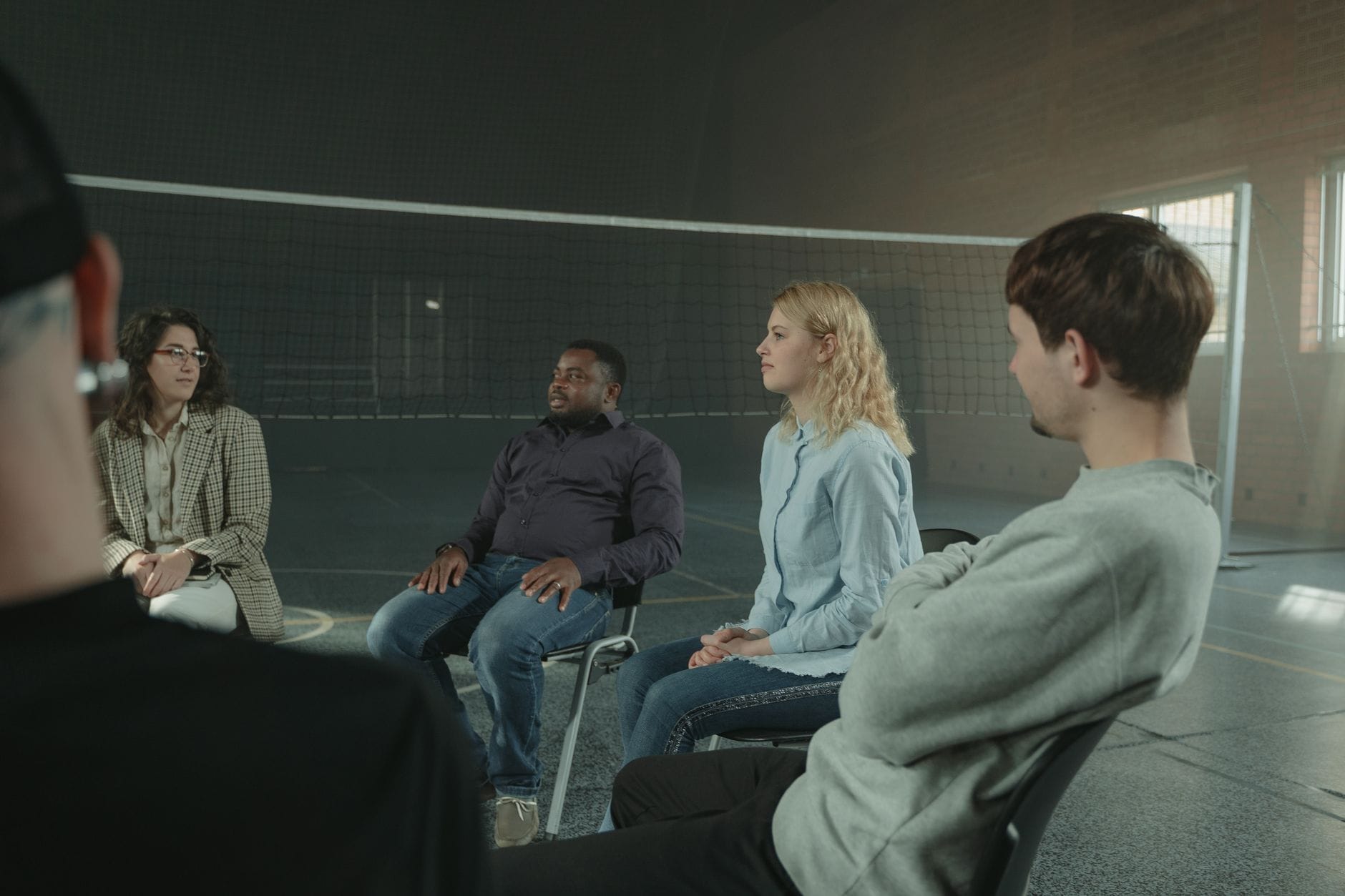
Nairobi, Kenya, MMN Correspondent: Across the globe, governments are racing to impose social media bans on minors, driven by growing concerns over mental health, cyberbullying, and exposure to harmful content. In June 2026, the United Kingdom became the latest nation to announce a nationwide ban restricting children under 16 from using major social media platforms. This move follows similar proposals in countries like Canada, Australia, and several European nations, where policymakers are under mounting pressure to act after years of rising youth anxiety and online harms. Yet, as these laws take shape, a powerful counter-narrative is emerging, one led by young people themselves, who argue that bans do more harm than good.
Amnesty International convened a global gathering of youth activists in Nairobi, Kenya, in early 2026 to hear firsthand accounts from young digital natives about how proposed bans would affect their lives. The voices that emerged were not just reactive. They were deeply informed, rooted in lived experience, and centered on human rights. Their message was clear: banning access to social media isn’t protection. It’s exclusion.
Ahmed Dhman, a 20-year-old student activist from Morocco, questioned the logic behind treating young people as incapable of navigating complex digital spaces. “It’s ironic,” he said, “because we’re expected to manage economic crises and political instability, but not social media.” His sentiment echoes a broader concern: these bans reflect a lack of trust in youth agency. Instead of imposing restrictions, Ahmed advocates for education, specifically teaching digital literacy and critical thinking. Just as we don’t ban books because they contain controversial ideas, he argues, we shouldn’t ban platforms that foster connection, expression, and learning.
Johanne Fearnley, a 23-year-old activist from Norway, highlighted the role of algorithms in amplifying hate and harmful content. She pointed out that platforms like TikTok often promote extreme or dangerous material through hyper-personalized recommendation systems. “We need better regulations to stop algorithms from magnifying threats,” she said. As a creator of human rights-focused videos, Johanne relies on social media to reach audiences, including many under 16. A ban would silence her voice and cut off vital information for vulnerable youth.
Andrea Lauria, a 23-year-old from Italy, emphasized the lack of transparency around how platforms operate. “No one educated us about how to use this platform,” she said. Her call for algorithmic transparency reflects a growing demand among youth for accountability. Many users don’t understand how data collection, infinite scroll, autoplay, and targeted ads manipulate behavior. These features, designed to maximize engagement, can lead to addictive patterns and mental fatigue, especially in younger users.
Lewis Ampem-Darko Osae, a 23-year-old from Ghana, challenged the notion that new laws are needed. “There are already laws against harmful content,” he noted, “but enforcement is nearly nonexistent.” He believes the real leverage lies in holding Big Tech accountable through economic pressure. If governments threaten to restrict operations in key markets, tech companies, driven by profit, would be forced to prioritize safety over engagement metrics. “It’s all about the money,” he said. “When you speak their language, they listen.”
Paloma Navarro Candia, a 19-year-old from Argentina, shared a deeply personal story. When she first went online, she found community and belonging. “I remember feeling less alone,” she recalled. For many young people, especially those in isolated communities or marginalized groups, social media offers lifelines, spaces to explore identity, find support, and exchange ideas across borders. Removing these spaces risks isolating youth at a time when they most need connection.
The debate over social media bans isn’t just about technology. It’s about values. It reveals a fundamental disconnect between policy and reality. While governments focus on restriction, young people are asking for inclusion, empowerment, and co-creation. They aren’t asking for free rein. They’re asking to be part of the solution.
Research supports their perspective. Studies from the World Health Organization and the American Psychological Association show that while excessive screen time correlates with anxiety and depression, the root causes are often linked to poor platform design, lack of regulation, and inadequate mental health support, not the mere presence of social media. In fact, digital platforms have become essential tools for civic engagement, activism, and education. During global movements like climate strikes and Black Lives Matter, youth used social media to organize, share stories, and mobilize change.
Experts agree that the path forward lies in systemic reform, not prohibition. Stronger data protection laws, mandatory transparency reports from platforms, and limits on manipulative design features like infinite scroll and autoplay are proven strategies. The European Union’s Digital Services Act, which mandates greater accountability from tech giants, serves as a model. Countries adopting similar frameworks report improved user safety and increased trust in digital environments.
Moreover, involving young people in policymaking is not just ethical. It’s effective. When youth are included in designing digital spaces, platforms become more inclusive, intuitive, and safe. Youth-led advisory councils, participatory research, and co-design workshops have shown success in improving user experience and reducing harm.
As the world grapples with the future of digital life, one truth stands out: banning access won’t protect youth. It will only deepen inequality, silence marginalized voices, and deny young people the tools they need to thrive. True safety comes not from walls, but from wisdom, education, regulation, transparency, and partnership.
The next generation is not waiting. They are already shaping the digital world. Policymakers must stop seeing them as problems and start listening to them as partners.
Related in Social Justice
Social Justice
Africa’s Albinism Crisis: 2025 Court Ruling That Could Save 100,000 Lives
Imagine being hunted for your body parts. Not because of a crime you committed, but because of a condition you were born with. For tens of thousands of people across Africa, this is not a horror movie. It is daily life. But in February 2025, a single court decision changed every…
Read More...
Social Justice
What Happened After 28 Died in Sri Lanka’s Prison Riots? Two More Inmates Dead in Transfer – Demands for Answers Grow
Just days after a brutal two day clash inside Negombo Prison left at least 28 people dead and over 100 injured, two more inmates have died. Not from the violence inside the walls, but shortly after being moved to other facilities. The question now is: what really happened during…
Read More...
Social Justice
What 50 Years of Civil Rights Battles in North Carolina Can Teach Us About the Future of Voting Access
What does it take to keep fighting for justice when the rules keep changing? On July 21, 2026, two of North Carolina’s most influential civil rights figures will sit down together in Durham to answer that question. Leslie Winner and Angela Bryant have spent decades on the front…
Read More...
Social Justice
What North Carolina’s Civil Rights Icons Reveal About Voting Rights in 2026: A Fireside Chat You Can’t Miss
Imagine sitting just a few feet away from the people who literally rewrote the rules of American democracy. That’s the kind of evening the Southern Coalition for Social Justice is offering on July 21, 2026. They’re hosting a fireside conversation called *North Carolina Icons: Th…
Read More...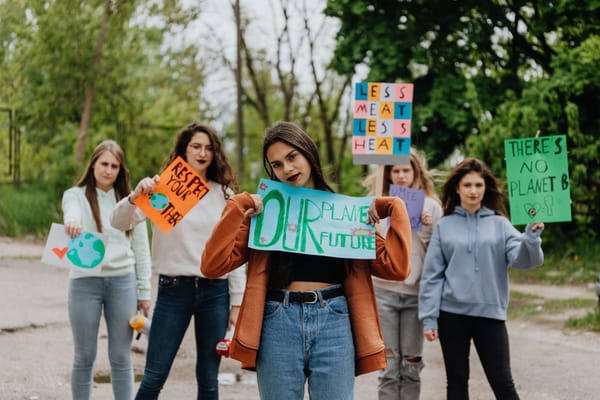
Social Justice
What Happens When a Peaceful Protest Against a Coal Mine Leads to a 2-Year Prison Sentence? The Esra Işık Case in Turkey
Imagine standing up for a forest you love, a place where your neighbors grow food and your children play. Now imagine that act of peaceful protest lands you in court, facing prison time. That is exactly what happened to Esra Işık, a Turkish environmental activist whose recent co…
Read More...
Social Justice
3 Sahel Nations Exit ICC: What This Means for Justice in West Africa
In a move that has captured global attention, Burkina Faso, Mali, and Niger have officially notified the United Nations of their decision to withdraw from the Rome Statute, the treaty that created the International Criminal Court (ICC). The UN Secretary General confirmed this de…
Read More...
Social Justice
450 Years for a Fireworks Protest? What the Prairieland ICE Case Means for Your Right to Speak Out
Imagine planning a Fourth of July celebration to lift the spirits of people held in immigration detention. You bring fireworks, music, and a few legally carried firearms. After thirty minutes, you pack up and go home. Now imagine being told that those thirty minutes will cost yo…
Read More...
Social Justice
What Happens When a Country Silences Its Media? Uganda’s Crackdown on Journalists and Activists Explained
On a single day in late June, Uganda’s media landscape changed dramatically. Six major news outlets were shut down. Journalists were locked out of their offices. Equipment was seized. No court order was shown. No public explanation was given. The question on many minds is simple…
Read More...
Social Justice
What Happens When a NATO Host City Bans All Protests for 13 Days? Turkey’s Move Raises Questions
Imagine your city suddenly goes silent. Not the quiet of a holiday, but the kind of silence that comes when the right to gather, to speak, to hold a sign, is taken away. That is exactly what is happening in Ankara right now. As Turkey prepares to host the 36th NATO Summit, autho…
Read More...
Social Justice
6.8 Magnitude Earthquake Hits Venezuela: What the Disaster Response Reveals About Human Rights
On the afternoon of June 24, 2026, the ground shook across Venezuela. A 6.8 magnitude earthquake struck multiple regions, from the northern coastal states to the central highlands. Within hours, neighborhoods in Maracaibo, Valencia, and Barquisimeto were reduced to rubble. Thous…
Read More...