
Can Haiti’s New Specialized Courts Finally Deliver Justice for 3,500+ Child Victims of Gang Violence?

Port-au-Prince, Haiti: Nishant Shrivastava: Haiti’s justice system has long been a place where cases go to die. But on June 4, 2026, the government announced something different: two new specialized judicial units built specifically to handle the worst human rights abuses, especially those targeting children. This isn’t just another reform. It’s a direct response to a crisis where over 12,000 people have been killed in gang violence between 2020 and 2025, and more than 3,500 minors were forced into gang roles in a single year. Some of those children were just eight years old.
These courts will focus on crimes that have run rampant with near total impunity: sexual violence, forced recruitment of minors, torture, and extrajudicial killings. The official plan promises faster case processing, transparency, and a victim centered approach. But here’s the real question: can a broken system actually heal itself?
Amnesty International’s Americas director, Ana Piquer, called the move a necessary step but warned it could become symbolic without real backing. She emphasized that independence, funding, and trained personnel are non negotiable. The opening of these units is a step forward, she said, but only if they are protected from political interference and equipped to handle the trauma of survivors.
The context is sobering. Since 2018, gangs have taken control of roughly 70% of Port au Prince. Essential services have collapsed. Humanitarian aid is often blocked. Children are not just victims but are used as foot soldiers, couriers, and informants. Many face stigma, lose access to education, and have no clear path to recovery. The old legal system often dismissed their cases because evidence was mishandled or the psychological impact on minors was ignored.
These new units aim to change that by integrating trauma informed practices, child protection protocols, and gender sensitive approaches at every stage. Judges and prosecutors will receive specialized training in international standards like the Convention on the Rights of the Child and the Rome Statute. The goal is to create a system where survivors are seen, heard, and supported, not just processed.
But legal frameworks alone won’t cut it. Haiti’s judiciary has a long history of political interference, corruption, and weak oversight. Since 2020, over 120 justice sector workers including magistrates and legal aid workers have been assassinated or threatened. Without robust protection for judges and prosecutors, these courts could become targets themselves. Human rights groups are urging the government to provide secure housing, bodyguards, encrypted communications, and rapid response units.
International support will be critical. Regional bodies like the Inter American Commission on Human Rights and multilateral institutions such as the World Bank and the European Union can help monitor progress and ensure accountability. Financial assistance is also essential. Experts estimate each specialized court needs at least $2 million annually to cover salaries, infrastructure, forensic tools, translation services, and victim support programs. Without sustained investment, even the best intentions may fade within months.
Rebuilding public trust is another challenge. For decades, Haitians have viewed courts as inaccessible, corrupt, or indifferent. Outreach campaigns, community legal clinics, and media engagement can help inform citizens about the new units and encourage reporting. Grassroots organizations working with survivors should have a seat at the table to ensure the courts reflect real needs.
The stakes go beyond Haiti. As one of the most fragile states in the Western Hemisphere, this reform is a test case for how the international community supports justice in post crisis societies. If these courts succeed, they could become a model for other nations facing similar challenges. If they fail due to lack of resources or political will, it would reinforce global skepticism about justice reform in fragile states.
The coming months will reveal the true direction. The government must move quickly to appoint qualified personnel, establish operational guidelines, and begin accepting cases. Civil society, legal experts, and international partners must stay engaged, offering both support and scrutiny. The fate of thousands of victims especially children depends on whether this moment becomes a turning point or another missed opportunity.
Can Haiti build a justice system that not only punishes crime but also heals wounds? The answer lies in concrete actions: adequate funding, fearless judges, protected witnesses, and a society willing to believe in justice once more.
Related in Social Justice
Social Justice
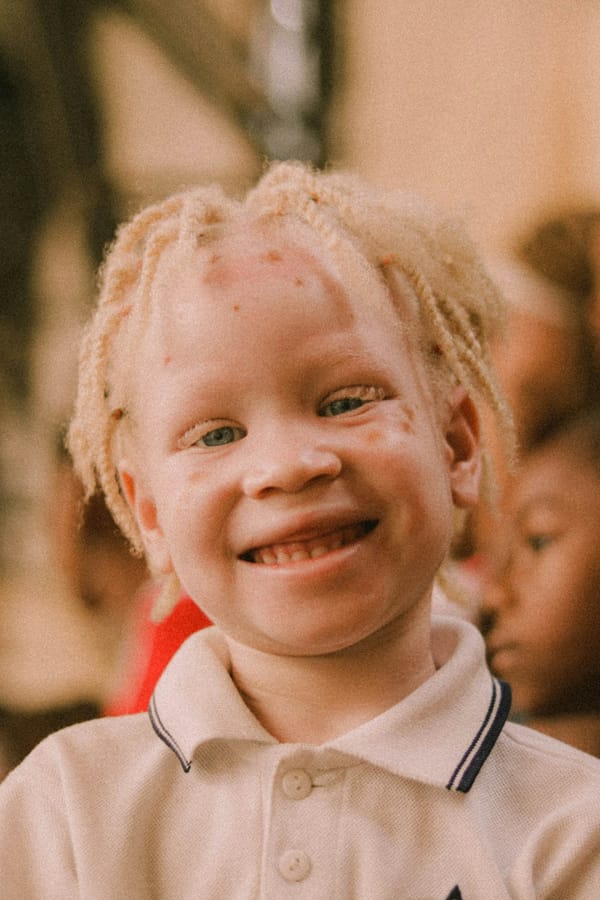
Africa’s Albinism Crisis: 2025 Court Ruling That Could Save 100,000 Lives
Imagine being hunted for your body parts. Not because of a crime you committed, but because of a condition you were born with. For tens of thousands of people across Africa, this is not a horror movie. It is daily life. But in February 2025, a single court decision changed every…
Read More...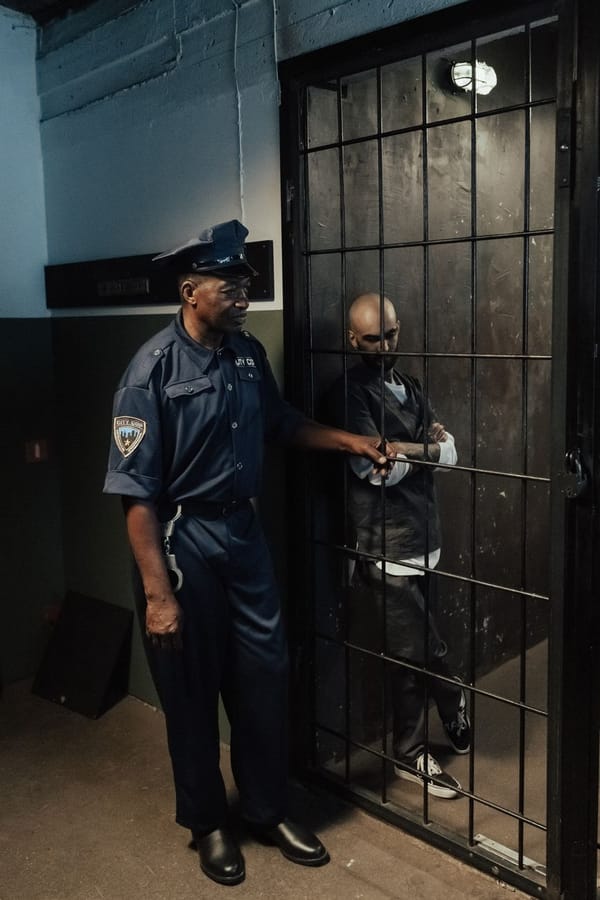
Social Justice
What Happened After 28 Died in Sri Lanka’s Prison Riots? Two More Inmates Dead in Transfer – Demands for Answers Grow
Just days after a brutal two day clash inside Negombo Prison left at least 28 people dead and over 100 injured, two more inmates have died. Not from the violence inside the walls, but shortly after being moved to other facilities. The question now is: what really happened during…
Read More...
Social Justice
What 50 Years of Civil Rights Battles in North Carolina Can Teach Us About the Future of Voting Access
What does it take to keep fighting for justice when the rules keep changing? On July 21, 2026, two of North Carolina’s most influential civil rights figures will sit down together in Durham to answer that question. Leslie Winner and Angela Bryant have spent decades on the front…
Read More...
Social Justice
What North Carolina’s Civil Rights Icons Reveal About Voting Rights in 2026: A Fireside Chat You Can’t Miss
Imagine sitting just a few feet away from the people who literally rewrote the rules of American democracy. That’s the kind of evening the Southern Coalition for Social Justice is offering on July 21, 2026. They’re hosting a fireside conversation called *North Carolina Icons: Th…
Read More...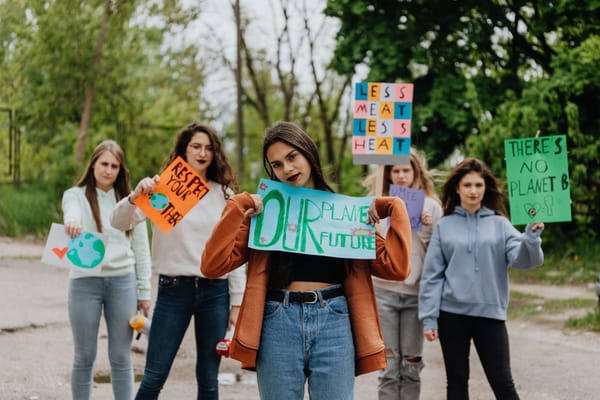
Social Justice
What Happens When a Peaceful Protest Against a Coal Mine Leads to a 2-Year Prison Sentence? The Esra Işık Case in Turkey
Imagine standing up for a forest you love, a place where your neighbors grow food and your children play. Now imagine that act of peaceful protest lands you in court, facing prison time. That is exactly what happened to Esra Işık, a Turkish environmental activist whose recent co…
Read More...
Social Justice
3 Sahel Nations Exit ICC: What This Means for Justice in West Africa
In a move that has captured global attention, Burkina Faso, Mali, and Niger have officially notified the United Nations of their decision to withdraw from the Rome Statute, the treaty that created the International Criminal Court (ICC). The UN Secretary General confirmed this de…
Read More...
Social Justice
450 Years for a Fireworks Protest? What the Prairieland ICE Case Means for Your Right to Speak Out
Imagine planning a Fourth of July celebration to lift the spirits of people held in immigration detention. You bring fireworks, music, and a few legally carried firearms. After thirty minutes, you pack up and go home. Now imagine being told that those thirty minutes will cost yo…
Read More...
Social Justice
What Happens When a Country Silences Its Media? Uganda’s Crackdown on Journalists and Activists Explained
On a single day in late June, Uganda’s media landscape changed dramatically. Six major news outlets were shut down. Journalists were locked out of their offices. Equipment was seized. No court order was shown. No public explanation was given. The question on many minds is simple…
Read More...
Social Justice
What Happens When a NATO Host City Bans All Protests for 13 Days? Turkey’s Move Raises Questions
Imagine your city suddenly goes silent. Not the quiet of a holiday, but the kind of silence that comes when the right to gather, to speak, to hold a sign, is taken away. That is exactly what is happening in Ankara right now. As Turkey prepares to host the 36th NATO Summit, autho…
Read More...
Social Justice
6.8 Magnitude Earthquake Hits Venezuela: What the Disaster Response Reveals About Human Rights
On the afternoon of June 24, 2026, the ground shook across Venezuela. A 6.8 magnitude earthquake struck multiple regions, from the northern coastal states to the central highlands. Within hours, neighborhoods in Maracaibo, Valencia, and Barquisimeto were reduced to rubble. Thous…
Read More...