
Can Justice Be Served Without Him? Inside the Central African Republic’s War Crimes Trial of a Fugitive Ex-President
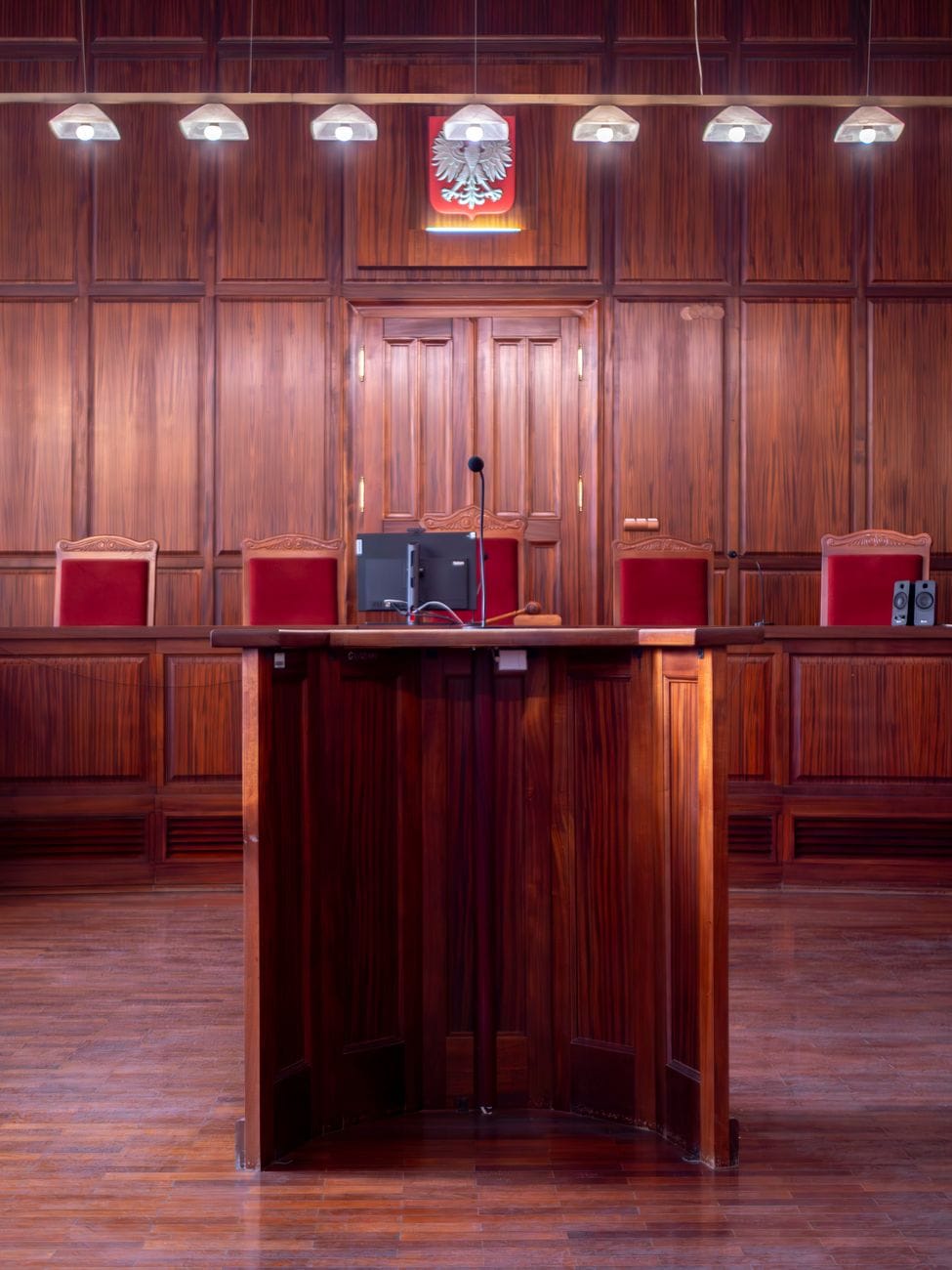
Bangui, Central African Republic, MMN Correspondent: Imagine a courtroom where the most powerful defendant is an empty chair. That’s the scene unfolding right now in the Central African Republic, as the Special Criminal Court (SCC) opens the trial of former president François Bozizé. He’s charged with war crimes and crimes against humanity for atrocities committed between 2003 and 2013. But here’s the twist: Bozizé isn’t in the room. He’s living freely in Guinea-Bissau, ignoring an international arrest warrant issued in April 2024. The trial started in June 2026, and it’s already forcing a hard question: can a nation truly hold its leaders accountable when they refuse to show up?
This isn’t just a legal drama. It’s a story about a country trying to heal after years of brutal conflict. The charges against Bozizé focus on a dark period from February 2009 to March 2013, when his Presidential Guard and security forces allegedly ran a campaign of terror. The SCC indictment describes systematic torture, murder, arbitrary detention, and enforced disappearances at places like the civilian prison and the military training center in Bossembélé. For families who lost loved ones, this trial is a long-awaited chance to see justice. But with the main accused absent, that chance feels incomplete.
Three of Bozizé’s co-defendants are here in person: Eugène Ngaikosset, Vianney Semndiro, and Firmin Junior Danboy. They face similar charges of murder, torture, and enforced disappearance. Their presence allows victims to look them in the eye and allows the accused to defend themselves. That’s how fair trials are supposed to work. The contrast with Bozizé’s absence highlights a real challenge for the court: even with international support, enforcing arrest warrants remains difficult, especially when the suspect has found refuge in another country.
Marceau Sivieude, Amnesty International’s Regional Director for West and Central Africa, put it plainly: “The execution of arrest warrants ensures fair trials where victims can confront the accused, and the accused can defend themselves. It also means that those found guilty face the consequences.” His words capture the stakes. Without Bozizé in the dock, the trial risks becoming a symbolic gesture rather than a full measure of accountability.
The SCC itself is a remarkable institution. Created in 2015 with United Nations support, it’s a hybrid court designed to handle the most serious crimes from the Central African Republic’s long conflict. Its mandate covers war crimes, crimes against humanity, and genocide. So far, it has secured convictions in multiple cases, including ten individuals tried in absentia. But the court’s success depends on more than legal skill. It needs money, cooperation from other nations, and the political will to keep going.
Funding is a constant worry. The SCC’s mandate runs through 2028, but budget shortfalls threaten witness protection, legal aid for defendants, and everyday operations. International donors have provided temporary help, but long-term support isn’t guaranteed. Without stable financing, the court could become a hollow symbol instead of a working justice system.
Then there’s the question of Guinea-Bissau. Bozizé has been living there since fleeing the Central African Republic, and the government hasn’t responded to extradition requests. This reflects a broader pattern in the region: political asylum and diplomatic immunity often protect former leaders from prosecution. Some African nations have embraced international justice norms, but others hesitate, worried about setting precedents or facing retaliation. That hesitation creates safe havens for fugitives and weakens trust in regional cooperation.
This case also shines a light on a bigger issue: impunity for former heads of state in post-conflict societies. Across Africa, many ex-leaders have escaped justice through legal loopholes, political influence, or simple non-cooperation from other countries. The Central African Republic’s effort to break that cycle through the SCC is both brave and fragile. Its success depends not just on the court’s diligence, but on whether other nations choose justice over politics.
There are signs of progress. In early 2026, several neighboring countries increased intelligence-sharing with the SCC and promised better cooperation in tracking suspects. Civil society groups have stepped up advocacy, mobilizing victims and youth networks to demand accountability. Social media has turned the case into a global conversation about justice and memory. These developments show that momentum is building.
Still, the road ahead is uncertain. More than 30 additional suspects remain at large across various SCC investigations. The court’s ability to fulfill its mission depends on consistent political will, reliable funding, and strong legal cooperation between states. As the trial moves forward in absentia, the world is watching not just to see if justice is served, but whether it can be delivered when the accused refuses to appear.
For victims and survivors, this trial represents hope. For the international community, it’s a test of commitment to universal justice. And for the Central African Republic, it could be a defining chapter in the journey toward reconciliation and peace. But without Bozizé in the courtroom, the full weight of justice remains just out of reach.
Related in Social Justice
Social Justice
Africa’s Albinism Crisis: 2025 Court Ruling That Could Save 100,000 Lives
Imagine being hunted for your body parts. Not because of a crime you committed, but because of a condition you were born with. For tens of thousands of people across Africa, this is not a horror movie. It is daily life. But in February 2025, a single court decision changed every…
Read More...
Social Justice
What Happened After 28 Died in Sri Lanka’s Prison Riots? Two More Inmates Dead in Transfer – Demands for Answers Grow
Just days after a brutal two day clash inside Negombo Prison left at least 28 people dead and over 100 injured, two more inmates have died. Not from the violence inside the walls, but shortly after being moved to other facilities. The question now is: what really happened during…
Read More...
Social Justice
What 50 Years of Civil Rights Battles in North Carolina Can Teach Us About the Future of Voting Access
What does it take to keep fighting for justice when the rules keep changing? On July 21, 2026, two of North Carolina’s most influential civil rights figures will sit down together in Durham to answer that question. Leslie Winner and Angela Bryant have spent decades on the front…
Read More...
Social Justice
What North Carolina’s Civil Rights Icons Reveal About Voting Rights in 2026: A Fireside Chat You Can’t Miss
Imagine sitting just a few feet away from the people who literally rewrote the rules of American democracy. That’s the kind of evening the Southern Coalition for Social Justice is offering on July 21, 2026. They’re hosting a fireside conversation called *North Carolina Icons: Th…
Read More...
Social Justice
What Happens When a Peaceful Protest Against a Coal Mine Leads to a 2-Year Prison Sentence? The Esra Işık Case in Turkey
Imagine standing up for a forest you love, a place where your neighbors grow food and your children play. Now imagine that act of peaceful protest lands you in court, facing prison time. That is exactly what happened to Esra Işık, a Turkish environmental activist whose recent co…
Read More...
Social Justice
3 Sahel Nations Exit ICC: What This Means for Justice in West Africa
In a move that has captured global attention, Burkina Faso, Mali, and Niger have officially notified the United Nations of their decision to withdraw from the Rome Statute, the treaty that created the International Criminal Court (ICC). The UN Secretary General confirmed this de…
Read More...
Social Justice
450 Years for a Fireworks Protest? What the Prairieland ICE Case Means for Your Right to Speak Out
Imagine planning a Fourth of July celebration to lift the spirits of people held in immigration detention. You bring fireworks, music, and a few legally carried firearms. After thirty minutes, you pack up and go home. Now imagine being told that those thirty minutes will cost yo…
Read More...
Social Justice
What Happens When a Country Silences Its Media? Uganda’s Crackdown on Journalists and Activists Explained
On a single day in late June, Uganda’s media landscape changed dramatically. Six major news outlets were shut down. Journalists were locked out of their offices. Equipment was seized. No court order was shown. No public explanation was given. The question on many minds is simple…
Read More...
Social Justice
What Happens When a NATO Host City Bans All Protests for 13 Days? Turkey’s Move Raises Questions
Imagine your city suddenly goes silent. Not the quiet of a holiday, but the kind of silence that comes when the right to gather, to speak, to hold a sign, is taken away. That is exactly what is happening in Ankara right now. As Turkey prepares to host the 36th NATO Summit, autho…
Read More...
Social Justice
6.8 Magnitude Earthquake Hits Venezuela: What the Disaster Response Reveals About Human Rights
On the afternoon of June 24, 2026, the ground shook across Venezuela. A 6.8 magnitude earthquake struck multiple regions, from the northern coastal states to the central highlands. Within hours, neighborhoods in Maracaibo, Valencia, and Barquisimeto were reduced to rubble. Thous…
Read More...