
Nearly 100 Executions in Saudi Arabia by Mid-2026: What’s Driving the Surge in Drug-Related Death Sentences?
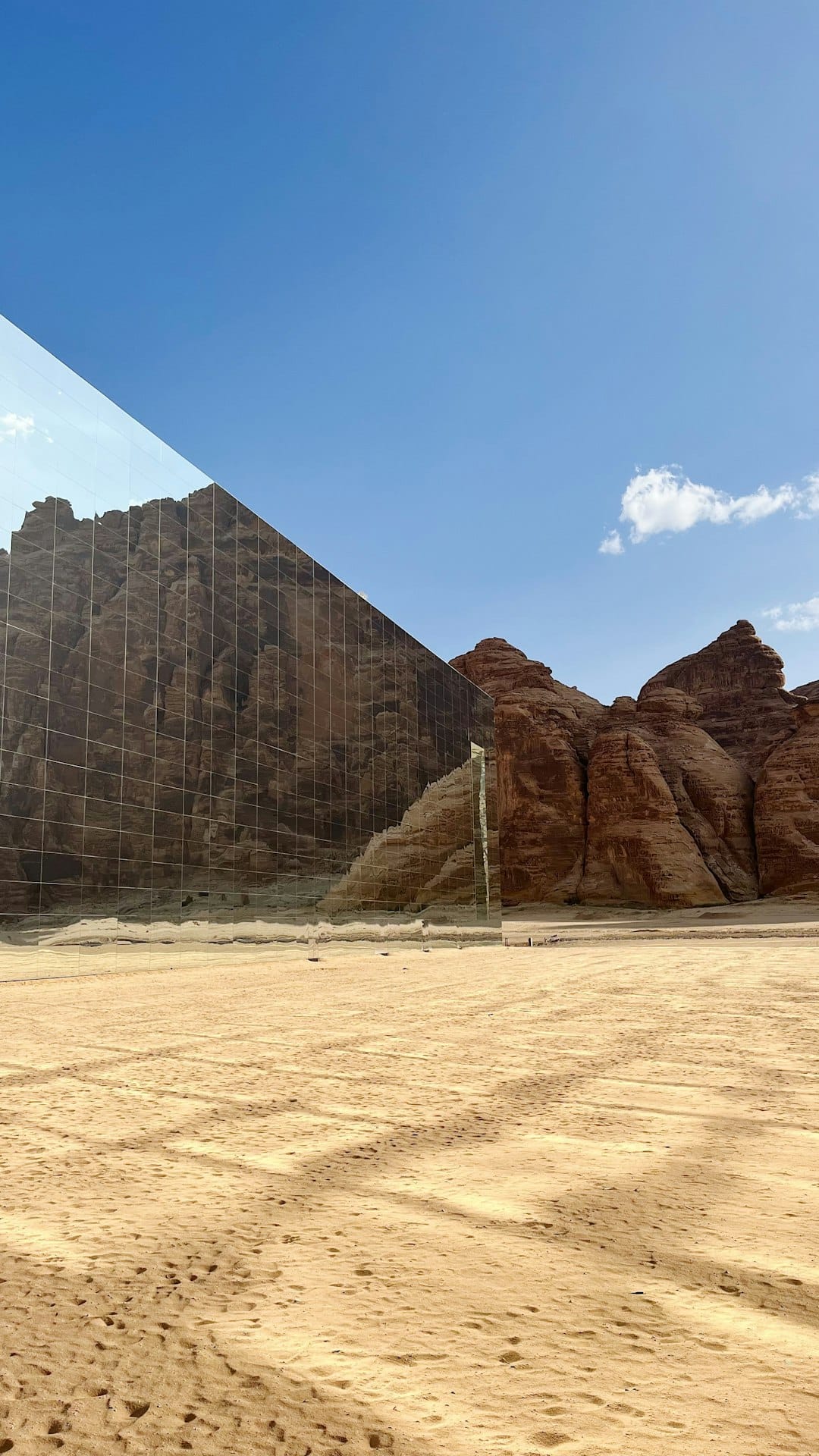
Riyadh, Saudi Arabia, MMN Correspondent: By the end of June 2026, Saudi Arabia had already carried out 96 executions. That’s nearly one hundred people in just under six months. And here’s the part that raises the most questions: more than 60 of those cases were tied to drug offenses. Not violent crimes. Not terrorism. Drug possession and smuggling. This isn’t just a statistic. It’s a window into how the kingdom’s legal system is evolving and what that means for thousands of individuals currently in detention.
Let’s break down the numbers. Between January 1 and June 22, 2026, at least 61 people were executed for drug related crimes. Among them, 39 were foreign nationals from countries like Ethiopia, Pakistan, Sudan, Jordan, and Syria. Right now, 63 Ethiopian detainees are reportedly held in a single wing of the Khamis Mushait detention facility, facing the same fate. Seven Ethiopians were executed earlier this year, all for hashish smuggling. Under international human rights standards, these offenses don’t meet the threshold for capital punishment. Yet the process continues.
What’s happening inside the courtrooms? According to reports from organizations like Amnesty International, many of these cases involve coerced confessions, limited access to legal counsel, and trials that lack transparency. Saudi Arabia has ratified the International Covenant on Civil and Political Rights, which guarantees fair trial protections. But in practice, those safeguards often don’t apply to drug defendants. The result is a system where the outcome can feel predetermined.
This surge didn’t come out of nowhere. In 2025, the kingdom executed at least 356 people. That’s more than double the 122 executions recorded in 2024. Since 2014, the total number of executions has reached approximately 2,084. Foreign nationals make up a disproportionate share: 75% in 2024 and 78% in 2025. That pattern suggests something deeper than random enforcement. It points to a system that disproportionately impacts migrant workers and low income individuals who lack political influence or legal resources.
Globally, the conversation around drug policy is shifting. The United Nations Office on Drugs and Crime and the World Health Organization have both advocated for decriminalization, rehabilitation, and harm reduction. Research consistently shows that punitive measures don’t reduce drug use. They often increase social inequalities and public health risks. Saudi Arabia’s approach stands apart from this consensus. Instead of focusing on rehabilitation, the emphasis remains on retribution.
Some analysts argue that these executions serve a broader purpose. By carrying out public executions, especially of foreigners, the state sends a clear message of control and zero tolerance. This may suppress certain types of crime in the short term, but it doesn’t address root causes like poverty, addiction, or lack of education. And because the death penalty is irreversible, any mistake becomes permanent. With each execution, the risk of wrongful conviction grows.
What happens next? There’s no official moratorium on the horizon. Judicial reforms in Saudi Arabia have focused more on procedural efficiency than on fairness. That means the pace of executions could remain high through the second half of 2026. For the foreign nationals currently detained, the situation is especially precarious. Many came to Saudi Arabia seeking work, only to find themselves trapped in a legal system that offers minimal protection and limited avenues for appeal.
International pressure is building. The European Union, several African governments, and numerous civil society groups have called for a halt to executions and a formal moratorium. But diplomatic efforts have had limited impact, partly because Saudi Arabia’s geopolitical influence and economic power continue to grow. The Vision 2030 reforms have modernized many aspects of the kingdom, but the judiciary remains largely insulated from oversight. Capital punishment continues without meaningful accountability.
The long term implications extend beyond individual cases. They challenge the credibility of Saudi Arabia’s stated commitment to legal reform and human dignity. While countries like Canada, Germany, and Japan have abolished the death penalty entirely, and others like South Africa and Argentina use it only in rare circumstances, Saudi Arabia is expanding its use. Evidence continues to mount that capital punishment doesn’t deter crime and erodes trust in the rule of law.
Experts recommend a clear path forward: suspend all pending death sentences, ensure fair trials for every accused person, and launch independent investigations into past executions. The most sustainable solution remains the complete abolition of the death penalty across all categories of offense. Until that happens, hundreds of individuals, particularly vulnerable foreign workers, remain at risk. They are caught in a system where justice is measured not by fairness, but by execution rates.
As the world watches, one question stands out: can a nation pursuing modernization also embrace humane and equitable justice? The answer may depend on whether Saudi Arabia chooses to align with global human rights standards or continue down a path of escalating repression. The choice will define not just the lives of those on death row, but the kingdom’s place in the international community.
Related in Social Justice
Social Justice
Africa’s Albinism Crisis: 2025 Court Ruling That Could Save 100,000 Lives
Imagine being hunted for your body parts. Not because of a crime you committed, but because of a condition you were born with. For tens of thousands of people across Africa, this is not a horror movie. It is daily life. But in February 2025, a single court decision changed every…
Read More...
Social Justice
What Happened After 28 Died in Sri Lanka’s Prison Riots? Two More Inmates Dead in Transfer – Demands for Answers Grow
Just days after a brutal two day clash inside Negombo Prison left at least 28 people dead and over 100 injured, two more inmates have died. Not from the violence inside the walls, but shortly after being moved to other facilities. The question now is: what really happened during…
Read More...
Social Justice
What 50 Years of Civil Rights Battles in North Carolina Can Teach Us About the Future of Voting Access
What does it take to keep fighting for justice when the rules keep changing? On July 21, 2026, two of North Carolina’s most influential civil rights figures will sit down together in Durham to answer that question. Leslie Winner and Angela Bryant have spent decades on the front…
Read More...
Social Justice
What North Carolina’s Civil Rights Icons Reveal About Voting Rights in 2026: A Fireside Chat You Can’t Miss
Imagine sitting just a few feet away from the people who literally rewrote the rules of American democracy. That’s the kind of evening the Southern Coalition for Social Justice is offering on July 21, 2026. They’re hosting a fireside conversation called *North Carolina Icons: Th…
Read More...
Social Justice
What Happens When a Peaceful Protest Against a Coal Mine Leads to a 2-Year Prison Sentence? The Esra Işık Case in Turkey
Imagine standing up for a forest you love, a place where your neighbors grow food and your children play. Now imagine that act of peaceful protest lands you in court, facing prison time. That is exactly what happened to Esra Işık, a Turkish environmental activist whose recent co…
Read More...
Social Justice
3 Sahel Nations Exit ICC: What This Means for Justice in West Africa
In a move that has captured global attention, Burkina Faso, Mali, and Niger have officially notified the United Nations of their decision to withdraw from the Rome Statute, the treaty that created the International Criminal Court (ICC). The UN Secretary General confirmed this de…
Read More...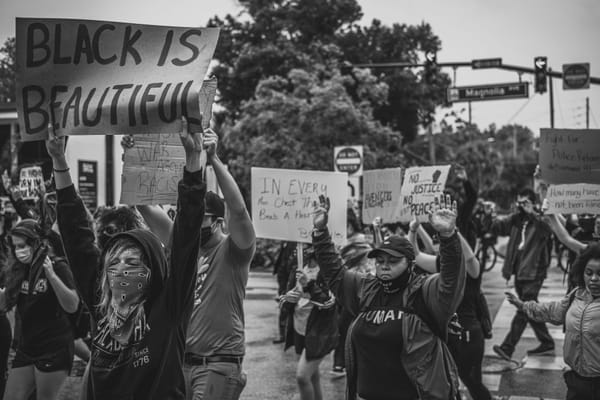
Social Justice
450 Years for a Fireworks Protest? What the Prairieland ICE Case Means for Your Right to Speak Out
Imagine planning a Fourth of July celebration to lift the spirits of people held in immigration detention. You bring fireworks, music, and a few legally carried firearms. After thirty minutes, you pack up and go home. Now imagine being told that those thirty minutes will cost yo…
Read More...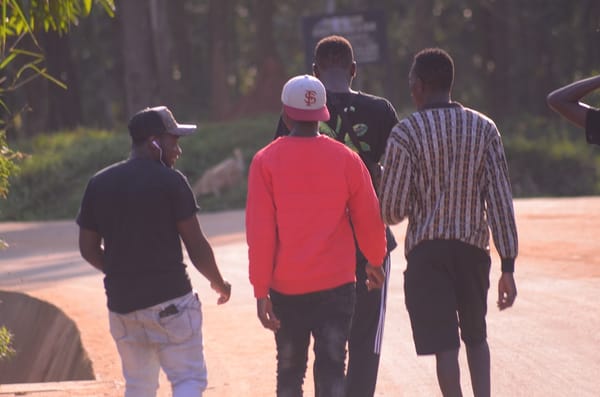
Social Justice
What Happens When a Country Silences Its Media? Uganda’s Crackdown on Journalists and Activists Explained
On a single day in late June, Uganda’s media landscape changed dramatically. Six major news outlets were shut down. Journalists were locked out of their offices. Equipment was seized. No court order was shown. No public explanation was given. The question on many minds is simple…
Read More...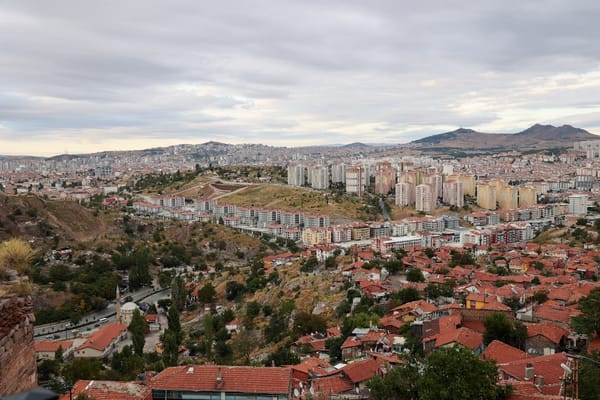
Social Justice
What Happens When a NATO Host City Bans All Protests for 13 Days? Turkey’s Move Raises Questions
Imagine your city suddenly goes silent. Not the quiet of a holiday, but the kind of silence that comes when the right to gather, to speak, to hold a sign, is taken away. That is exactly what is happening in Ankara right now. As Turkey prepares to host the 36th NATO Summit, autho…
Read More...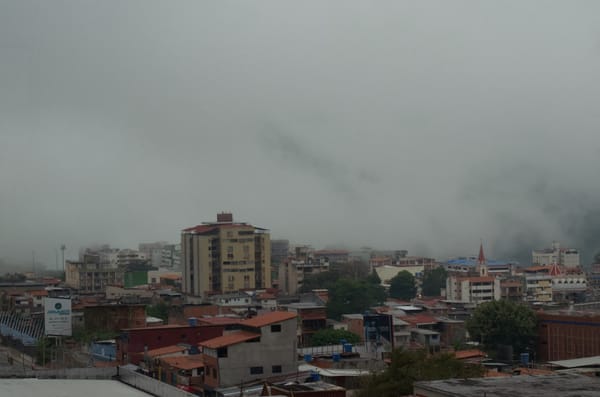
Social Justice
6.8 Magnitude Earthquake Hits Venezuela: What the Disaster Response Reveals About Human Rights
On the afternoon of June 24, 2026, the ground shook across Venezuela. A 6.8 magnitude earthquake struck multiple regions, from the northern coastal states to the central highlands. Within hours, neighborhoods in Maracaibo, Valencia, and Barquisimeto were reduced to rubble. Thous…
Read More...