
What Really Began in 1492? The Birth of Modern Capitalism and the Invention of Race
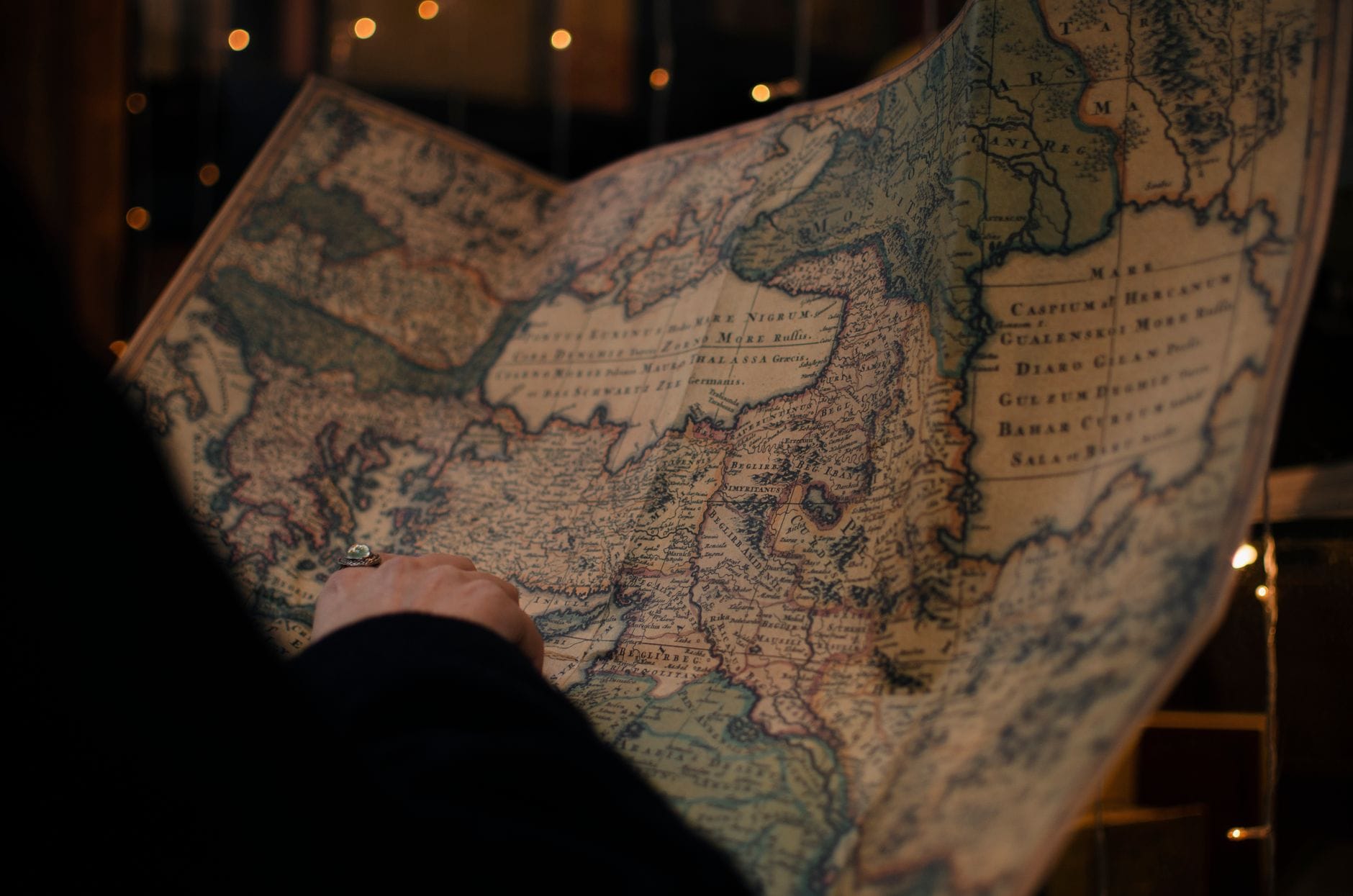
Madrid, Spain, MMN Correspondent: You probably learned that modern capitalism started with factories, steam engines, and the Industrial Revolution. But what if the real origin story is much older and far more unsettling? What if the economic system that shapes your life today was born not in a British mill, but on a Caribbean beach in 1492?
That year, Christopher Columbus stepped ashore in the Americas. But something else happened that same year in Spain. The Catholic Monarchs Ferdinand and Isabella completed the Reconquista, the centuries long campaign to push Muslim Moors and Jewish communities out of the Iberian Peninsula. In the same breath, they ordered the expulsion or forced conversion of tens of thousands of people. The justification? Purity of blood. A concept that would travel across the Atlantic and reshape the world.
Think about that for a moment. Before 1492, the idea of race as we know it barely existed. People identified by tribe, religion, or region. But the Spanish crown needed a way to distinguish between loyal subjects and those deemed a threat. So they invented a new category: the impure. The Moor. The Jew. And later, the Indigenous person. The African. These were not natural distinctions. They were legal and social inventions designed to control land, labor, and power.
When Spain and Portugal began colonizing the Americas, they encountered civilizations like the Taíno, Maya, and Inca. Instead of trading or integrating, they imposed systems like the encomienda, which gave conquistadors control over Indigenous labor. Millions died from overwork, disease, and violence. To fill the gap, Europeans turned to Africa. The transatlantic slave trade became the engine of a new global economy.
Here is where it gets interesting. The economist Eric Williams argued in 1944 that slavery did not exist because of racism. It was the other way around. Slavery created racism. The logic was simple. If you are going to enslave millions of people based on skin color, you need a story that makes it acceptable. So Europeans built a racial hierarchy that placed white Christians at the top and everyone else below. This ideology allowed empires to extract enormous wealth while maintaining a clear conscience at home.
Gold, silver, sugar, cotton, and tobacco flowed from the Americas to Europe. But that wealth did not stay in Spain or Portugal. It moved through financial centers like Amsterdam and London, where merchants reinvested it into shipping, banking, and manufacturing. The historian Walter Rodney called this process underdevelopment. Europe grew rich by systematically draining resources from Africa, the Americas, and Asia.
French historian Sylvie Laurent, in her recent book Capital and Race, calls the system that emerged a modern hydra. Capitalism and race became two heads of the same creature. Race was not a leftover prejudice from ancient times. It was a political and economic tool, crafted to legitimize imperial expansion and the exploitation of non European peoples. The categories of Black, White, Indigenous, and Moor were legal inventions designed to divide populations, suppress resistance, and secure control over land and labor.
This racial framework looked different depending on where you were. In North America, the category Black meant automatic enslavement and exclusion from citizenship. In Latin America, racial identity was more fluid because of mixing between Europeans, Africans, and Indigenous peoples. But even there, power and wealth stayed concentrated among white elites. The system was flexible, but its purpose was always the same: to keep the ruling class in control.
The effects reached far beyond the colonies. In Northern Ireland, Irish Catholics faced systemic discrimination despite being white. Their oppression mirrored that of African Americans in terms of institutionalized marginalization and economic disenfranchisement, though it was rooted in religion and national identity rather than skin color. As Frantz Fanon observed, the inability to pass as white was a defining feature of anti Black racism. Irish Catholics could sometimes assimilate, but they never fully escaped structural exclusion.
These parallels teach us something important. Racism is not a side effect of capitalism. It is a core mechanism. It divides the working class along racial lines, preventing solidarity and weakening collective resistance. When workers are pitted against each other based on race, the ruling class maintains control with less need for force.
History shows that progressive movements often fail when they ignore the role of race and empire. The Spanish Popular Front during the 1930s civil war focused narrowly on defeating fascism at home while ignoring Spain’s colonial wars in Morocco. George Padmore, a key Pan Africanist thinker, criticized this oversight. He warned that no nation could claim freedom while oppressing others. His insight remains relevant today. True liberation requires confronting both capitalist exploitation and racial injustice.
In our own time, the legacy of racial capitalism is everywhere. Climate change hits Black and Indigenous communities hardest. The digital divide leaves marginalized groups behind. Algorithms trained on biased data perpetuate discrimination in hiring, lending, and law enforcement. The system adapts, but its logic remains the same.
Understanding this history is not just an academic exercise. It is essential for building a more equitable future. Movements demanding reparations, decolonization, and economic justice are not isolated struggles. They are part of a long standing fight to dismantle the intertwined systems of race and capital. As global authoritarianism rises and inequality deepens, recognizing the full scope of history becomes a necessity for survival and transformation.
The world we live in today is still shaped by decisions made in 1492. To build a fairer society, we must confront the past not to assign blame, but to understand how power, race, and profit have always been linked. Only then can we imagine a future where freedom is not reserved for the few, but guaranteed for all.
Related in Social Justice
Social Justice
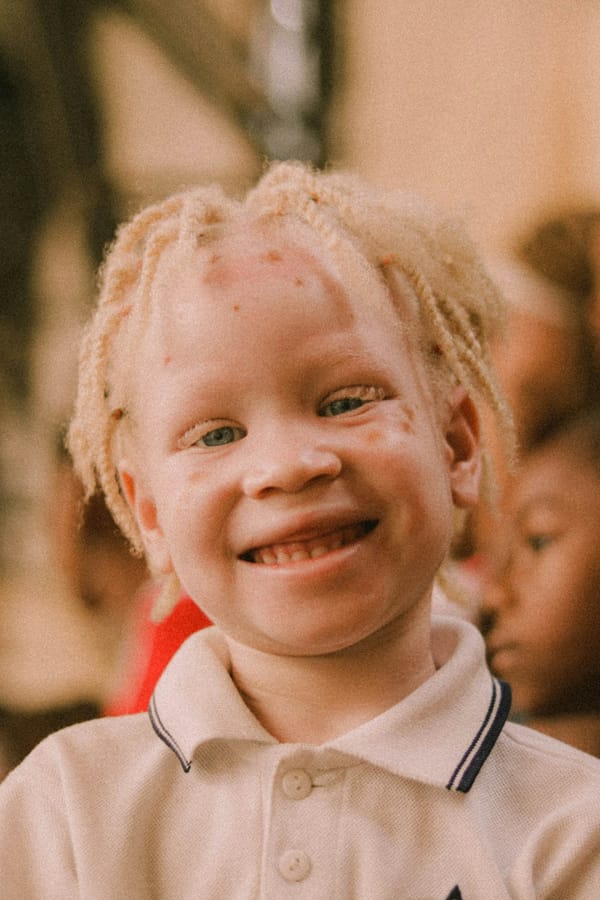
Africa’s Albinism Crisis: 2025 Court Ruling That Could Save 100,000 Lives
Imagine being hunted for your body parts. Not because of a crime you committed, but because of a condition you were born with. For tens of thousands of people across Africa, this is not a horror movie. It is daily life. But in February 2025, a single court decision changed every…
Read More...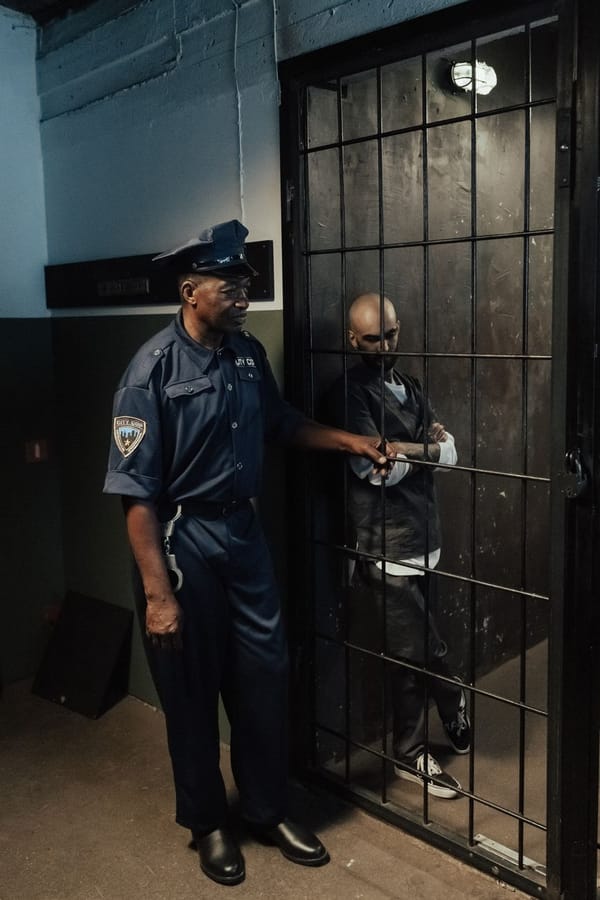
Social Justice
What Happened After 28 Died in Sri Lanka’s Prison Riots? Two More Inmates Dead in Transfer – Demands for Answers Grow
Just days after a brutal two day clash inside Negombo Prison left at least 28 people dead and over 100 injured, two more inmates have died. Not from the violence inside the walls, but shortly after being moved to other facilities. The question now is: what really happened during…
Read More...
Social Justice
What 50 Years of Civil Rights Battles in North Carolina Can Teach Us About the Future of Voting Access
What does it take to keep fighting for justice when the rules keep changing? On July 21, 2026, two of North Carolina’s most influential civil rights figures will sit down together in Durham to answer that question. Leslie Winner and Angela Bryant have spent decades on the front…
Read More...
Social Justice
What North Carolina’s Civil Rights Icons Reveal About Voting Rights in 2026: A Fireside Chat You Can’t Miss
Imagine sitting just a few feet away from the people who literally rewrote the rules of American democracy. That’s the kind of evening the Southern Coalition for Social Justice is offering on July 21, 2026. They’re hosting a fireside conversation called *North Carolina Icons: Th…
Read More...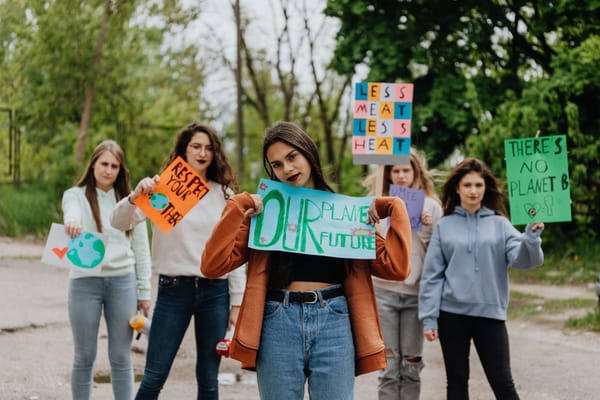
Social Justice
What Happens When a Peaceful Protest Against a Coal Mine Leads to a 2-Year Prison Sentence? The Esra Işık Case in Turkey
Imagine standing up for a forest you love, a place where your neighbors grow food and your children play. Now imagine that act of peaceful protest lands you in court, facing prison time. That is exactly what happened to Esra Işık, a Turkish environmental activist whose recent co…
Read More...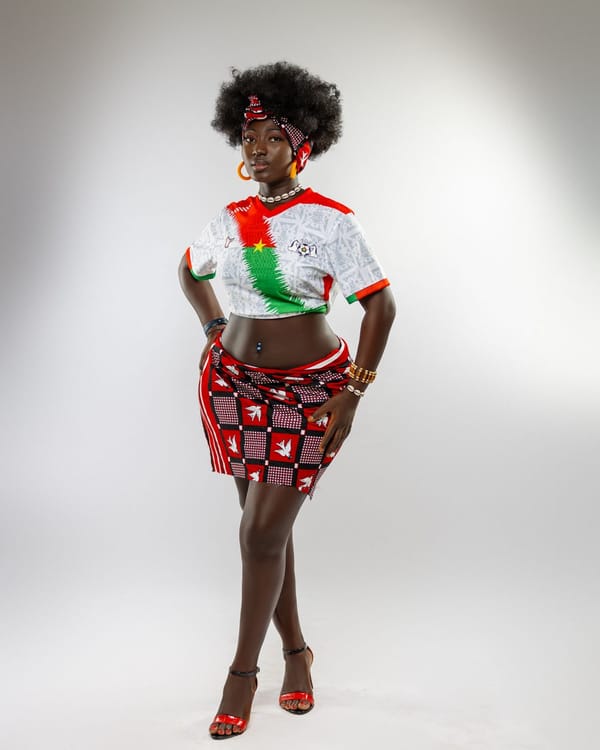
Social Justice
3 Sahel Nations Exit ICC: What This Means for Justice in West Africa
In a move that has captured global attention, Burkina Faso, Mali, and Niger have officially notified the United Nations of their decision to withdraw from the Rome Statute, the treaty that created the International Criminal Court (ICC). The UN Secretary General confirmed this de…
Read More...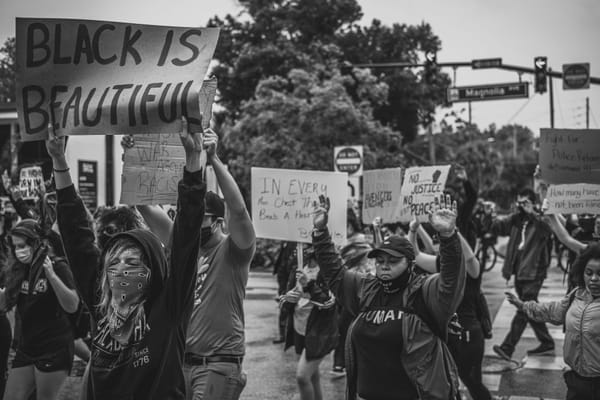
Social Justice
450 Years for a Fireworks Protest? What the Prairieland ICE Case Means for Your Right to Speak Out
Imagine planning a Fourth of July celebration to lift the spirits of people held in immigration detention. You bring fireworks, music, and a few legally carried firearms. After thirty minutes, you pack up and go home. Now imagine being told that those thirty minutes will cost yo…
Read More...
Social Justice
What Happens When a Country Silences Its Media? Uganda’s Crackdown on Journalists and Activists Explained
On a single day in late June, Uganda’s media landscape changed dramatically. Six major news outlets were shut down. Journalists were locked out of their offices. Equipment was seized. No court order was shown. No public explanation was given. The question on many minds is simple…
Read More...
Social Justice
What Happens When a NATO Host City Bans All Protests for 13 Days? Turkey’s Move Raises Questions
Imagine your city suddenly goes silent. Not the quiet of a holiday, but the kind of silence that comes when the right to gather, to speak, to hold a sign, is taken away. That is exactly what is happening in Ankara right now. As Turkey prepares to host the 36th NATO Summit, autho…
Read More...
Social Justice
6.8 Magnitude Earthquake Hits Venezuela: What the Disaster Response Reveals About Human Rights
On the afternoon of June 24, 2026, the ground shook across Venezuela. A 6.8 magnitude earthquake struck multiple regions, from the northern coastal states to the central highlands. Within hours, neighborhoods in Maracaibo, Valencia, and Barquisimeto were reduced to rubble. Thous…
Read More...