
Why Two Baloch Activists Got Life Sentences: What You Need to Know About Pakistan’s Anti-Terrorism Trials
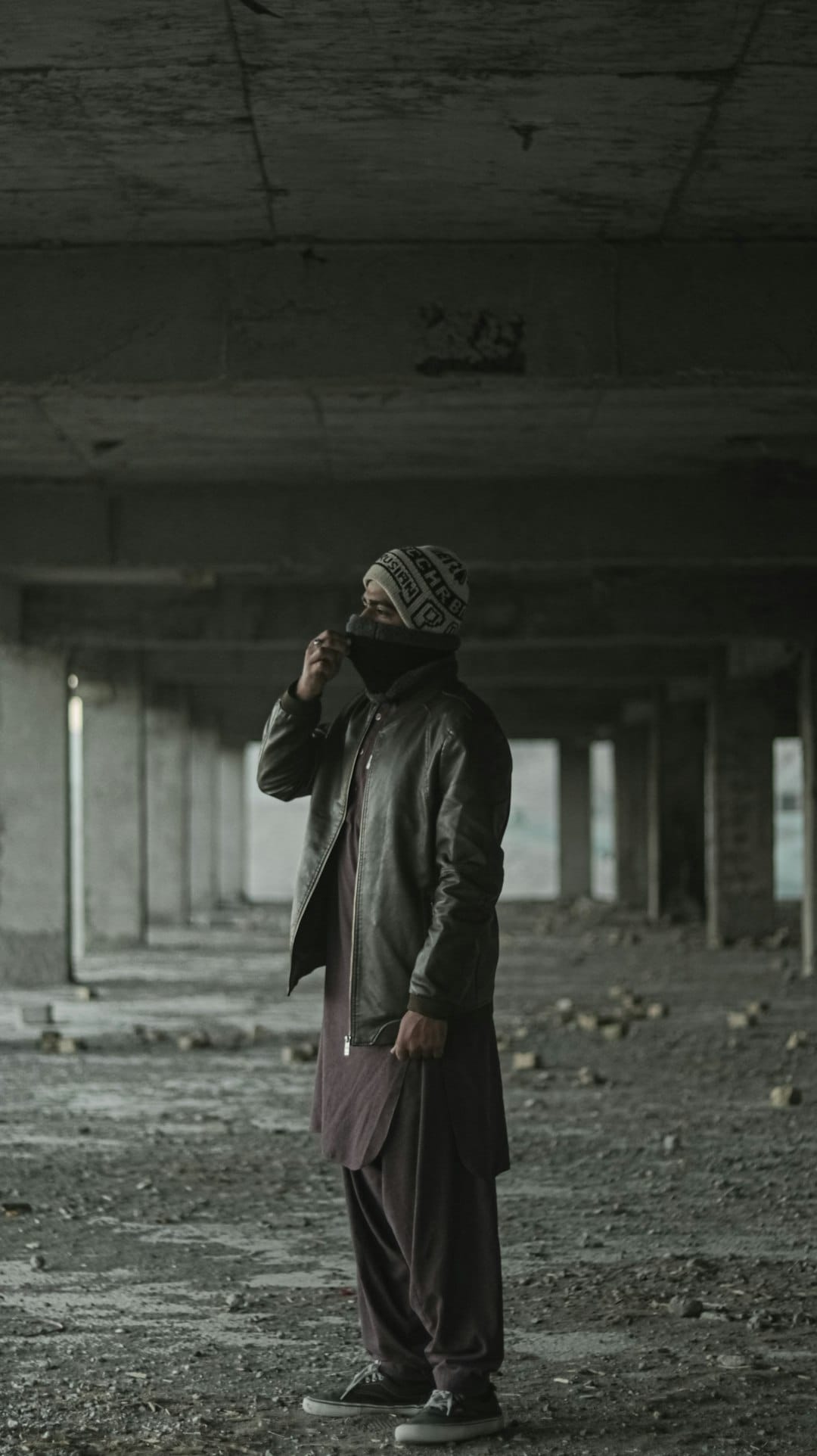
Quetta, Pakistan, MMN Correspondent: Imagine being sentenced to life in prison for attending a peaceful protest. That’s exactly what happened to two prominent Baloch activists in Pakistan, and the world is paying close attention. On June 22, 2026, Mahrang Baloch and Sibghat Ullah Shah Jee, both members of the Baloch Yakjehti Committee (BYC), received life sentences from Quetta’s Anti-Terrorism Court. The charges? Alleged involvement in a protest where a security officer lost his life back in July 2024. But here’s the thing: the trial was held in secret, behind closed doors, on jail premises. No public scrutiny. No media access. And the activists themselves boycotted the proceedings, saying they were denied a fair hearing.
Let’s rewind a bit. The protest in question was the Baloch Raji Machi, or Baloch National Gathering, a peaceful demonstration calling for an end to enforced disappearances, extrajudicial killings, and economic neglect in Balochistan. It was a nonviolent assembly, but it turned tragic when a Frontier Corps officer died. At least three protesters were also injured. Yet, no one else has been charged in connection with the killing. That raises an interesting question: why were only these two activists singled out?
Mahrang Baloch is no stranger to advocacy. She’s been a vocal champion for Baloch women’s rights and indigenous land sovereignty. Her activism led to her arrest in March 2025 after a peaceful sit-in. Then came the charges: over two dozen cases under Pakistan’s anti-terrorism laws. That’s a staggering number, one that overwhelmed her legal team and made it nearly impossible to build a proper defense. Sibghat Ullah Shah Jee faced a similar barrage of charges, all based on his activism rather than any concrete evidence.
Now, let’s talk about the trial itself. It was conducted in a way that violates international fair trial standards set by the Universal Declaration of Human Rights and the International Covenant on Civil and Political Rights. Both defendants were only allowed to participate via video link in the final stages. No direct evidence linked them to the fatal incident. The court relied on circumstantial claims: Mahrang was accused of giving a speech where she called state officials ‘occupiers’—a term common in nationalist discourse but not legally equivalent to incitement to violence. Shah Jee was implicated for allegedly being part of a crowd that charged toward the officer, but no forensic or eyewitness testimony confirmed his role.
Amnesty International’s Acting Regional Director for South Asia, Isabelle Lassee, called the verdict a misuse of anti-terrorism laws to suppress dissent. “This is not justice—it is political repression disguised as legal action,” she said. And she’s not alone in her concern. The Baloch Yakjehti Committee, founded in 2018, has been documenting disappearances, organizing hunger strikes, and advocating for greater autonomy in Balochistan—a province rich in resources but economically neglected. Over the past decade, more than 300 Baloch activists have reportedly been detained without trial, many subjected to torture and forced confessions. Nearly 70% of these detentions occurred under the Anti-Terrorism Act, 1997, a law criticized for its vague definitions and broad scope.
This case fits a troubling pattern: state forces are rarely held accountable for violence against civilians, while activists are quickly criminalized. Between 2018 and 2025, at least 14 Baloch leaders were sentenced under terrorism charges despite lacking credible evidence. The United Nations Working Group on Arbitrary Detention has repeatedly called on Pakistan to release all individuals imprisoned for peaceful expression. Secret trials and military-style courts, they warn, undermine public trust in the judiciary. In Pakistan, over 80% of anti-terrorism cases are heard in specialized courts with minimal oversight, often denying defendants access to family, media, and independent legal representation.
International pressure is mounting. The European Union has urged Pakistan to review all cases involving peaceful protesters. The United States Department of State has expressed concerns about using counterterrorism laws to target civil society. For Mahrang Baloch and Sibghat Ullah Shah Jee, the fight continues—not just for their freedom, but for the broader right of the Baloch people to speak out without fear. Their case symbolizes a larger struggle: the balance between state control and civic courage, between silence and resistance.
The world is watching closely. With each passing day, the delay in their release deepens questions about Pakistan’s commitment to rule of law and human dignity. As Amnesty International insists, these activists must be released immediately, with all charges related to their peaceful advocacy dropped. Justice, they argue, should never come at the cost of fairness, transparency, or truth. The coming months will determine whether Pakistan chooses to uphold its constitutional obligations—or further entrench a system where dissent is punished and justice is selectively applied.
Related in Social Justice
Social Justice
Africa’s Albinism Crisis: 2025 Court Ruling That Could Save 100,000 Lives
Imagine being hunted for your body parts. Not because of a crime you committed, but because of a condition you were born with. For tens of thousands of people across Africa, this is not a horror movie. It is daily life. But in February 2025, a single court decision changed every…
Read More...
Social Justice
What Happened After 28 Died in Sri Lanka’s Prison Riots? Two More Inmates Dead in Transfer – Demands for Answers Grow
Just days after a brutal two day clash inside Negombo Prison left at least 28 people dead and over 100 injured, two more inmates have died. Not from the violence inside the walls, but shortly after being moved to other facilities. The question now is: what really happened during…
Read More...
Social Justice
What 50 Years of Civil Rights Battles in North Carolina Can Teach Us About the Future of Voting Access
What does it take to keep fighting for justice when the rules keep changing? On July 21, 2026, two of North Carolina’s most influential civil rights figures will sit down together in Durham to answer that question. Leslie Winner and Angela Bryant have spent decades on the front…
Read More...
Social Justice
What North Carolina’s Civil Rights Icons Reveal About Voting Rights in 2026: A Fireside Chat You Can’t Miss
Imagine sitting just a few feet away from the people who literally rewrote the rules of American democracy. That’s the kind of evening the Southern Coalition for Social Justice is offering on July 21, 2026. They’re hosting a fireside conversation called *North Carolina Icons: Th…
Read More...
Social Justice
What Happens When a Peaceful Protest Against a Coal Mine Leads to a 2-Year Prison Sentence? The Esra Işık Case in Turkey
Imagine standing up for a forest you love, a place where your neighbors grow food and your children play. Now imagine that act of peaceful protest lands you in court, facing prison time. That is exactly what happened to Esra Işık, a Turkish environmental activist whose recent co…
Read More...
Social Justice
3 Sahel Nations Exit ICC: What This Means for Justice in West Africa
In a move that has captured global attention, Burkina Faso, Mali, and Niger have officially notified the United Nations of their decision to withdraw from the Rome Statute, the treaty that created the International Criminal Court (ICC). The UN Secretary General confirmed this de…
Read More...
Social Justice
450 Years for a Fireworks Protest? What the Prairieland ICE Case Means for Your Right to Speak Out
Imagine planning a Fourth of July celebration to lift the spirits of people held in immigration detention. You bring fireworks, music, and a few legally carried firearms. After thirty minutes, you pack up and go home. Now imagine being told that those thirty minutes will cost yo…
Read More...
Social Justice
What Happens When a Country Silences Its Media? Uganda’s Crackdown on Journalists and Activists Explained
On a single day in late June, Uganda’s media landscape changed dramatically. Six major news outlets were shut down. Journalists were locked out of their offices. Equipment was seized. No court order was shown. No public explanation was given. The question on many minds is simple…
Read More...
Social Justice
What Happens When a NATO Host City Bans All Protests for 13 Days? Turkey’s Move Raises Questions
Imagine your city suddenly goes silent. Not the quiet of a holiday, but the kind of silence that comes when the right to gather, to speak, to hold a sign, is taken away. That is exactly what is happening in Ankara right now. As Turkey prepares to host the 36th NATO Summit, autho…
Read More...
Social Justice
6.8 Magnitude Earthquake Hits Venezuela: What the Disaster Response Reveals About Human Rights
On the afternoon of June 24, 2026, the ground shook across Venezuela. A 6.8 magnitude earthquake struck multiple regions, from the northern coastal states to the central highlands. Within hours, neighborhoods in Maracaibo, Valencia, and Barquisimeto were reduced to rubble. Thous…
Read More...